


Can you take a ghost tour in Bath? Yes. Bath Ghost Tours, also promoted as The Haunts of the City, runs guided walks exploring the darker stories of this historic Somerset city. The current public tour meets outside the main entrance to Bath Abbey and lasts approximately 105 minutes. Private walks can also be arranged, but a public group ticket is not the same product as the 90-minute private tour described in this article’s older 2024 version.
Bath is known for Roman baths, Georgian terraces and elegant architecture, but its streets also carry stories of illness, violence, romance and unexplained encounters. The tour offers an entertaining introduction to these traditions while the genuine city’s history remains worth exploring independently. This refreshed guide explains current tour arrangements, the difference between public and private experiences, how accessible the route is and what to do before or after your ghost walk.
To explore haunted-history destinations beyond organised walking tours, try our Haunted Places Explorer for more UK and USA locations.
Affiliate disclosure: Mystic Realm Blog may earn a commission through some booking links at no extra cost to readers. We will complete a separate GetYourGuide audit later; official attraction and tour information is the primary source for current arrangements.
Bath Ghost Tours: essential visitor information
- Main meeting point: outside Bath Abbey’s main entrance, Abbey Churchyard, BA1 1LT.
- Regular public start: generally 8pm on listed nights, according to the current Visit Bath and Bath Box Office calendars.
- Duration: approximately 105 minutes, rather than a universal 90 minutes.
- Season: multiple evenings weekly across much of the year, with increased availability in warmer months and around Halloween.
- Format: historical and supernatural storytelling with some audience participation and a staged paranormal experiment.
- Private bookings: available separately; check details, group size and tailored arrangements with the operator.
- Weather: an outdoor walking tour, so dress for wet or cold conditions.
What happens on the Bath ghost walk?
The operator advertises a guided exploration of the city’s ghosts and darker past. Stories range across murders, duels, alleged witchcraft, unusual deaths, religious life and more light-hearted romantic narratives. Audience participation is part of the event, and promotional descriptions mention a paranormal experiment. That experiment should be understood as part of an entertaining guided experience, not scientific proof of spirits.
The guides use Bath’s historic city centre as a stage for storytelling. Narrow streets, pale stone facades and dramatic shadows make the setting particularly effective after sunset. The best tours combine atmosphere with specific details about the places being visited rather than merely pointing at a dark window and calling it haunted. A useful comparison is Cambridge’s ghost walks, which draw on another centuries-old city centre but place more emphasis on college and university stories. For a Welsh city alternative, our Cardiff ghost tours and dark-history guide covers the Castle Quarter and current operator arrangements.
An evening tour is a useful choice for visitors who want an introduction without having to research separate buildings themselves. However, the route and individual tales can change by guide, season or private booking. It is more reliable to explain the type of experience than to promise access to a particular inaccessible basement or graveyard.
Public ghost tour or private walking tour?
The public Bath Ghost Tour
The standard public walk welcomes guests who book individual places. As listed by Visit Bath, it normally meets outside Bath Abbey at 8pm and runs for about an hour and three quarters. Visit Bath describes public outings on multiple nights from March through December, with additional evenings in the busiest months. The live Bath Box Office schedule shows specific departures from November 2026 into spring 2027.
A public group is often the simplest and most affordable way to join in if you are visiting Bath on a city break. Expect to share the experience with other visitors, walk at the group’s pace and participate only to the extent that you feel comfortable.
A private Bath ghost walk
A private tour is booked for your own group. The operator says that bespoke sessions may be available throughout the year, subject to dates and availability. This can suit birthday parties, special occasions, people who want to ask more questions or groups with particular interests and access requirements.
The old Mystic Realm Blog article focused on a specific 90-minute GetYourGuide private product. That product can be retained as a reference for the later affiliate review, but you should not assume its format or timing matches the current public tour. If you are considering the existing private Bath ghost walk listing (affiliate link), verify that the service is active and compare the meeting point and itinerary with the operator before payment.
Why is Bath such an atmospheric setting for ghost stories?
The city developed around thermal springs that were important in Roman Britain, later became a religious and market centre and then expanded dramatically as a fashionable Georgian resort. Each period left architecture, urban patterns and stories about the people who lived there. A ghost walk has unusually rich material to work with because Bath’s past is still visible at street level.
The Roman Baths, Bath Abbey, Georgian squares and terrace streets make a striking visual contrast. Their history is documented through archaeology, collections and building records; the haunting stories attached to them have separate origins and should be described as folklore or reported claims.
This distinction also prevents a common mistake in paranormal articles: treating every historical death as evidence of a resident ghost. People who died in earlier centuries deserve to be remembered accurately, especially where stories relate to poverty, disease, persecution or violence.
Bath Abbey and the churchyard: the meeting point
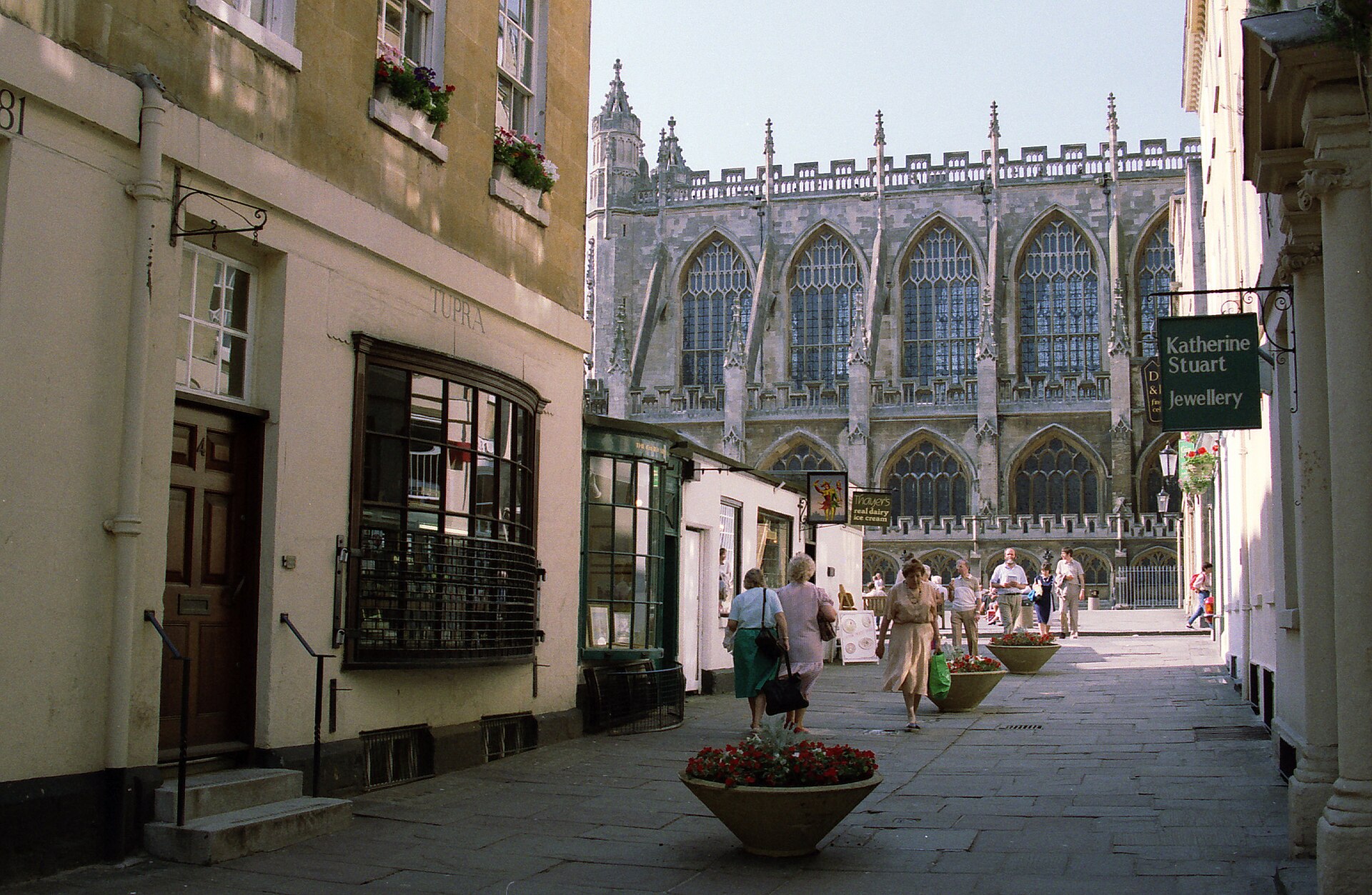
Bath Abbey stands above the city’s medieval religious history and beside the ancient Roman bathing complex. The present building is a major place of worship, with a famous fan-vaulted ceiling and stained glass. The surrounding Abbey Churchyard is the central meeting point for a number of organised walks.
It is easy to arrive on time by taking a short walk through the pedestrianised centre, but visitors should check exactly where the operator asks the group to gather. Some experiences meet at the Abbey’s main entrance; other city tours use nearby landmarks. Do not rely on the meeting point from a completely different Bath attraction.
The Abbey has its own admission and worship arrangements. A ghost-walk booking does not mean you can enter after closing or conduct a paranormal investigation inside. For daytime information, see Bath Abbey’s visitor guidance.
The Georgian streets: elegant architecture and unsettling tales
Bath’s Georgian expansion is central to its atmosphere. Curving terraces, crescents, courtyards and squares created an unusually coherent urban landscape. When the streets become quieter after dark, they can appear very different from the busy daytime shopping centre. Those changing impressions are part of the appeal of a guided ghost story.
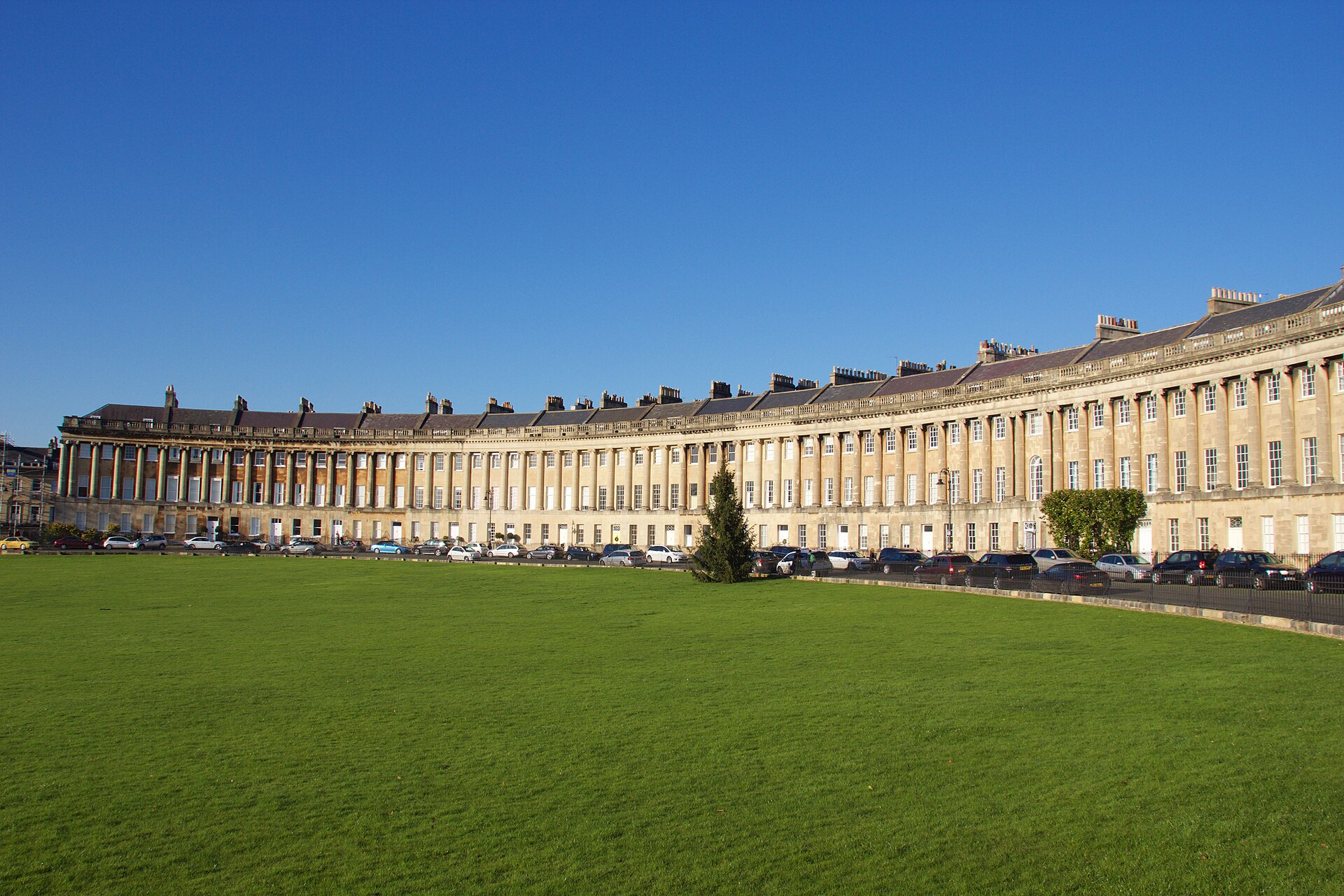
The Royal Crescent and nearby Circus are particularly evocative for architectural sightseeing. They are not necessarily included on every scheduled ghost tour, so treat them as optional daytime or independent stops unless the itinerary explicitly says otherwise. The history of Bath’s development as a fashionable spa resort provides the context for tales about concealed scandals, romantic affairs and conflicts behind grand doors.
A good guide should distinguish a documented resident from a legendary apparition said to have been seen decades later. An interesting claim about an old house may be part of local tradition without being supported by property records or firsthand testimony.
The Roman Baths: real ancient history rather than invented ghosts
The Roman bathing complex is one of Bath’s most significant heritage attractions. Surviving remains, reconstructed features and museum displays explain the city’s place in Roman Britain. Stories about curses, offerings and the supernatural can also be grounded in surviving objects and texts: people used the sacred spring to make appeals to the goddess Sulis Minerva and left inscribed curse tablets.
Those curse tablets are evidence of ancient religious belief and personal grievance. They are not evidence of ghosts walking a modern tourist route. Visitors can explore the Roman Baths museum during the day and enjoy the city’s supernatural storytelling later in the evening.
Remember that regular Bath ghost tours do not necessarily include entry to the Roman Baths. Museum tickets and audio guides should be booked separately, and opening times can change seasonally.
The darker side of Bath’s historical storytelling
Bath’s image as a fashionable Georgian city can obscure stories involving hardship, disease, policing, punishment and conflict. A guided ghost walk offers one way to explore such narratives, often through places whose everyday uses have changed over centuries.
Visitors may hear tales of alleged witchcraft, duels and hauntings, but the wording matters. A “witch burning” mentioned in a tour script should not automatically be presented as a verified event at a named Bath address. England’s historical legal punishment for witchcraft was typically hanging rather than the burning that dominates popular imagination, and particular claims need reliable supporting documents.
The better question to ask is how a story came to be associated with a building and what evidence exists for the people involved. That approach makes the history more interesting and avoids turning a guide into a collection of repeated internet legends.
What should you bring on a Bath ghost tour?
- Comfortable walking shoes: Bath has cobbled and paved streets, steps and occasional uneven surfaces.
- Waterproof layers: tours are outdoors and usually proceed in ordinary rain.
- Booking confirmation: check the operator, date, group type and meeting point.
- Charged phone: useful for navigation after the walk, especially if returning to accommodation.
- Respect for residents: much of central Bath remains residential; avoid entering private courtyards or photographing people without permission.

If anyone in your party has reduced mobility, contact the operator about the specific route. Visit Bath’s listing describes a gentle walk with a small set of stairs, but that does not guarantee every route or private session is step-free. Tell the operator about any needs before buying tickets.
Is the Bath ghost tour suitable for children?
Visit Bath describes it as a family-friendly experience, sometimes suitable for children around six or seven, though the stories contain frightening themes and staged participation. Individual families should consider whether a child enjoys ghost tales and can comfortably walk and stand for more than an hour and a half.
A private booking may allow more tailored pacing and content. Some evening events around Halloween may be more intense than a regular public walk, so check the listing carefully.
Planning an evening in Bath
Before the tour
Arrive in the city centre with enough time to enjoy Bath Abbey, Abbey Churchyard and the surrounding streets. If you have a full day, visit the Roman Baths, Royal Crescent or a museum beforehand. A meal near the city centre can make the timing easier, but leave a comfortable margin to reach the meeting point.
During the tour
Stay with the group, listen for access instructions and be considerate of other pedestrians. Guides may involve volunteers in stories or small experiments. You do not need to participate in a paranormal demonstration to enjoy the experience.
After the tour
An 8pm departure lasting 105 minutes ends late enough that public-transport and restaurant availability may have changed. Check your route home, particularly if staying outside central Bath. For another British ghost-walk experience, see our Chester ghost tours guide or Haunted York article.
Can a ghost tour demonstrate paranormal activity?
A guide may lead a dramatic experiment or describe a witness’s experience. These are part of folklore performance and visitor interpretation, rather than controlled scientific tests. An odd sound, cold breeze or unfamiliar light can have mundane explanations even if it feels startling in the moment.
If you want to understand investigation techniques more thoroughly, our equipment checklist looks at tools, observation methods and possible false positives. Never bring bulky investigative equipment into a paid city walk without the organiser’s permission.
Frequently asked questions
Where do Bath Ghost Tours start?
Regular public walks meet outside the main entrance of Bath Abbey in Abbey Churchyard, BA1 1LT. Follow your actual ticket if the operator advises a different point.
How long is the Bath Ghost Tour?
The current public tour takes approximately 105 minutes. Private products may differ; do not rely on the obsolete 90-minute title from an older listing.
Are Bath ghost tours available throughout the year?
Yes, but the public calendar varies seasonally. Private group arrangements are available more broadly. Bath Box Office lists bookable dates extending into 2027.
Do I have to believe in ghosts to enjoy the tour?
No. It is designed for people interested in history, local folklore, storytelling and unusual atmosphere, regardless of personal beliefs.
Does the ticket include Bath Abbey or Roman Baths entry?
Not unless your specific product clearly states that it does. Those are separate heritage attractions with their own booking arrangements.
Final verdict
Bath offers an excellent setting for an evening ghost walk because its Roman, medieval and Georgian past remains so visible. We recommend the scheduled public tour for first-time visitors who enjoy stories and group participation; choose a private session when you need tailored arrangements. Research the history, enjoy the storytelling and let the architecture provide the atmosphere.