


What are the most interesting haunted places in Arizona? For historic locations with strong ghost-story traditions, start with Jerome Grand Hotel, the Bird Cage Theatre in Tombstone, Hotel Monte Vista in Flagstaff and the old buildings of downtown Phoenix. Rosson House, Hotel San Carlos and the Orpheum Theatre also attract paranormal folklore, while Yuma Territorial Prison provides a different, documented kind of dark history. The buildings are real; claims that ghosts inhabit them remain unproven.
Arizona’s mining towns, desert landscapes, preserved Old West buildings and early city centres offer a broader range of experiences than a single Phoenix ghost walk. This guide replaces an old tour-focused article with a genuine statewide itinerary. We’ll examine the historical basis for each location, identify which can be visited and show how a guided storytelling tour differs from a supervised investigation. For a different western-city ghost walk involving historic underground spaces, see our Fort Collins Ghost Tour guide in Colorado. For southern Arizona, our Tucson ghost tours guide compares Hotel Congress, Old Tucson and downtown walks with current operator information.
For other historic American destinations surrounded by ghost stories, browse our Haunted Places Explorer and location articles.
Affiliate disclosure: Some booking links on Mystic Realm Blog may earn a commission. We’re leaving a full GetYourGuide link audit for later while prioritising accurate historical information and internal linking.
Quick picks: haunted Arizona at a glance
- Best former-hospital hotel: Jerome Grand Hotel, in the Verde Valley mining town of Jerome.
- Best Old West atmosphere: Bird Cage Theatre in Tombstone.
- Best historic hotel: Hotel Monte Vista in Flagstaff.
- Best Phoenix heritage house: Rosson House Museum at Heritage Square.
- Best Phoenix theatre story: the Orpheum Theatre and its reported balcony apparition.
- Best prison history: Yuma Territorial Prison State Historic Park.
- Best guided city experience: a current Phoenix ghost walk that clearly states its route and meeting point.
1. Jerome Grand Hotel: a hospital turned historic hotel
Jerome Grand Hotel occupies the former United Verde Hospital, high above a town once defined by copper mining. The replacement hospital was constructed in 1926 and opened in January 1927. Architects Lescher and Mahoney designed its reinforced-concrete structure for a difficult steep site, in part because nearby mining blasts had affected earlier buildings. Its modern life as a hotel began decades after the medical facility closed.
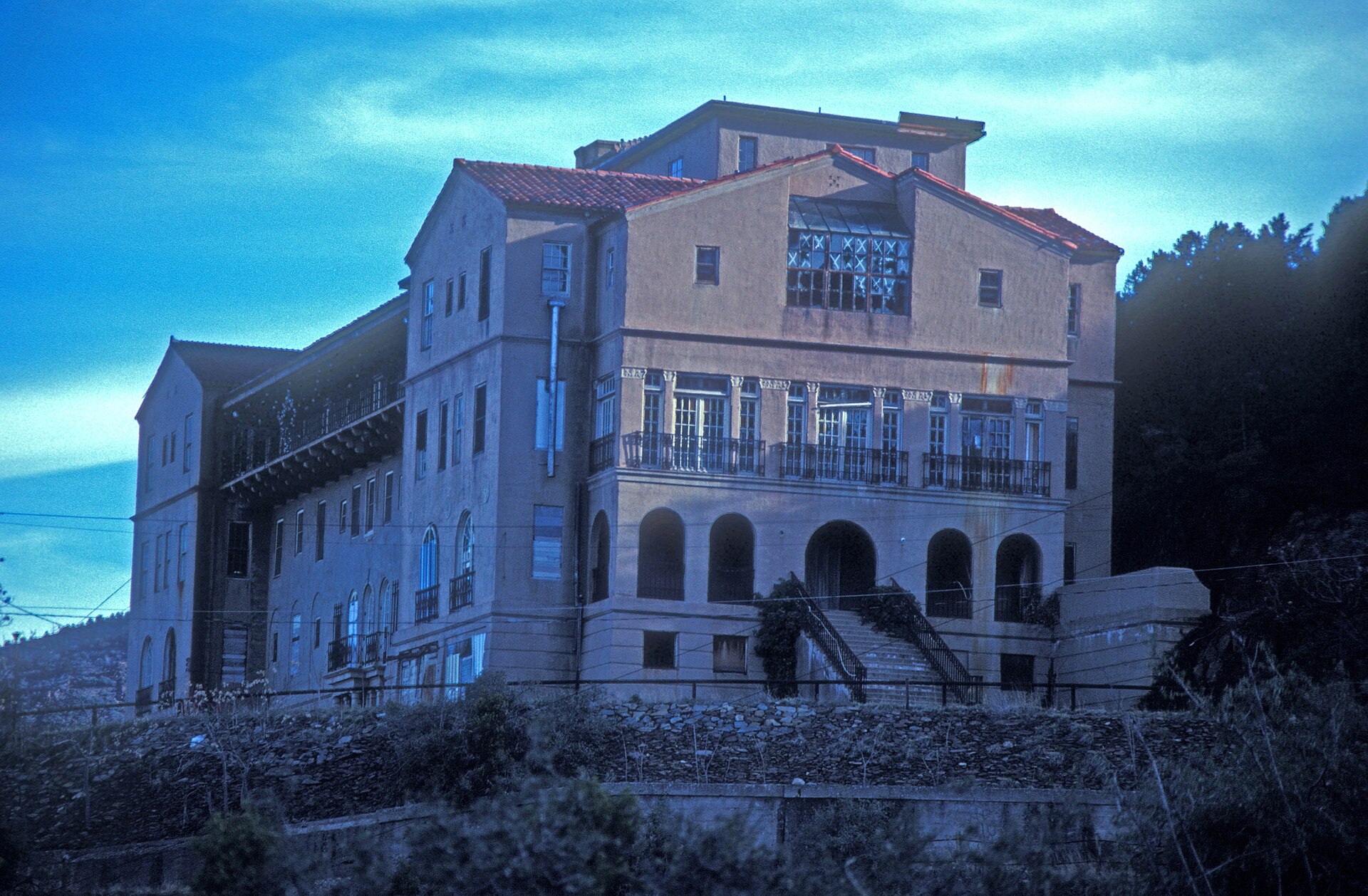
Visitors describe footsteps, disembodied voices and uneasy sensations, sometimes attributing them to the former patients and staff. These reports contribute to the hotel’s identity but do not tell us who, if anyone, caused a sound in an empty corridor. Historic hospitals contain many everyday stories of care, illness and medical work that deserve proper attention.
The hotel’s official history explains the construction and later conversion. This is an operating business: reserve a room before travelling if you wish to stay, and don’t treat booked accommodation as permission to roam private areas conducting experiments.
2. Bird Cage Theatre, Tombstone: the Old West on stage
The Bird Cage Theatre captures the entertainment history of Tombstone’s mining boom. It was a theatre, bar and gambling venue in an era when the town was becoming famous for saloons, gunfighters and frontier stories. The building and its preserved fittings lend themselves naturally to ghost tales about figures on the stage, unexplained music and former patrons who have supposedly never left.
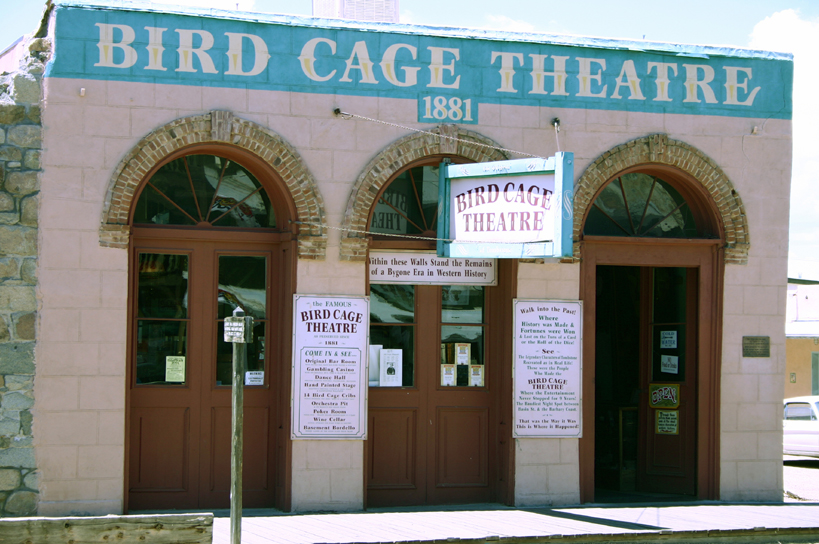
Commercial retellings vary in their claims about gunfights, bullet holes and how many people died inside. Do not confuse a frequently repeated figure with a documented tally. The strongest reasons to visit are the survived building, the wider town history and authorised daytime tours or events. Check the current operator’s arrangements rather than assuming unsupervised nighttime access.
Tombstone itself is also filled with staged gunfight entertainment. A theatrical show can be fun, but it is not an exact historical reconstruction unless backed by evidence. Treat ghost demonstrations the same way: an experience can be memorable without establishing a supernatural explanation.
3. Hotel Monte Vista, Flagstaff: ghosts with room numbers
Hotel Monte Vista opened on New Year’s Day 1927, built with backing from local investors and named after a public competition. Its location in downtown Flagstaff made it a popular stop for travellers, including performers and film personalities associated with Arizona productions. The hotel’s real history intersects with Prohibition, rail travel and the developing tourist economy.
The operator openly promotes several ghost legends. Room 305 has a rocking-chair story; room 220 is linked to a long-term guest nicknamed the Meat Man; other tales involve an unseen bellboy, cries and strange activity in corridors. These are the hotel’s own reported stories, not verified events witnessed by a controlled research team.
The hotel history and ghost-stories page is unusually transparent about which tales are part of its marketing. If you would like to stay in a room advertised as haunted, ask staff about availability and the kind of accommodation offered. Some rooms have shared facilities, while hotel nightlife can affect noise and rest.
4. Rosson House, Phoenix: Victorian life at Heritage Square
Rosson House is a restored Queen Anne-style building from 1895 in downtown Phoenix’s Heritage Square, now operated as a museum. It gives visitors a view of the city’s early homes and development rather than the modern towers associated with Phoenix. Like many nineteenth-century houses, it has acquired stories involving footsteps or figures, but its historical value does not depend on those tales.

The museum currently offers small guided tours lasting around an hour, with rooms reached by historic staircases. The official Rosson House tour page describes its schedule and physical access. A city ghost walk may pass the exterior without including admission, so check what your ticket actually covers.
When a guide attributes a particular apparition to a deceased resident, ask whether that identification comes from documented testimony or a later story. Learning how the house was used over generations is an excellent reason to book a daytime tour.
5. Hotel San Carlos and downtown Phoenix folklore
Hotel San Carlos has stood in the heart of downtown Phoenix since the late 1920s. Its reputation for ghost stories often involves a young woman, Leone Jensen, and accounts of unusual sounds or movement. Such retellings can drift between documented events, speculation about personal motives and fictionalised embellishment. It is important to distinguish them.

A historic hotel is a business rather than a paranormal theme park. Check whether the venue is currently accepting guests or special visits, and respect privacy and restricted areas. You can learn about the architecture and listen to local folklore without trying to enter a guest floor without permission.
Downtown Phoenix ghost walks can use the exterior of the hotel as one stop among several, but a citywide walking tour does not automatically provide entry. Ask the operator for its exact route, duration and accessibility information.
6. The Orpheum Theatre: a reported ghost in the balcony
The Orpheum Theatre opened in 1929 and is part of Phoenix’s entertainment history. Ghost accounts sometimes describe a mysterious figure called Mattie in its seating area. As with similar theatre legends, the person named in the story may be more difficult to identify in historical records than popular retellings imply.
The Orpheum is a working performance venue with its own programme, guides and maintenance areas. Old theatres have unusual acoustics, stage mechanisms and shifting lighting that can produce startling perceptions. Check the official venue page for events or authorised tours.
7. Yuma Territorial Prison: the documented darker past
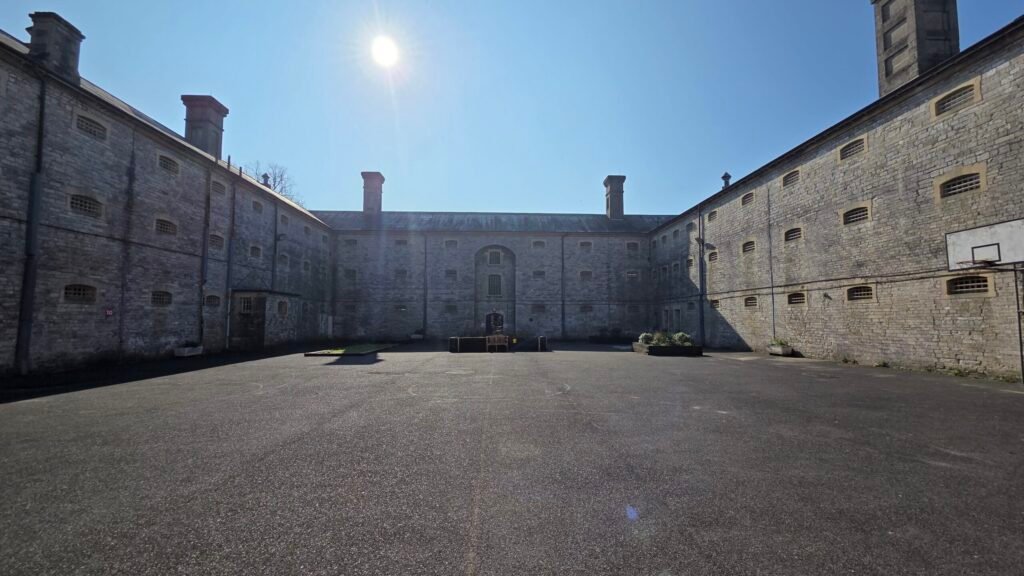
The Territorial Prison at Yuma opened in 1876 and operated until 1909, making it an important site in Arizona’s legal and social history. Visitors can inspect parts of the former prison and read about its prisoners, staff and changing role across the territorial period. Stories of unexplained footsteps or shadows are sometimes attached to former cells, but historical interpretation should come first.
The locally managed Yuma Territorial Prison visitor website gives the address as 220 Prison Hill Road and distinguishes summer from October–May opening hours. The attraction has a museum and prison-related features but is not an open-access site after closing. In warmer months, desert heat can make daytime planning and hydration especially important.
Is Jerome a real ghost town?
Jerome is frequently described as a ghost town because it declined after the mining boom. But people live and work there today, and the town has galleries, restaurants and guest accommodation. “Ghost town” describes a pattern of population and economic decline, not paranormal confirmation.
The same distinction applies to towns like Tombstone. A tourist destination shaped by Old West history can have authentic preserved buildings and staged entertainment. Do not assume abandoned mines, shafts or private derelict buildings are safe to explore. Choose museums, organised routes and permitted public areas.
Planning a haunted Arizona weekend
Phoenix city break
For Phoenix, schedule a Rosson House visit during its published tours, then explore nearby downtown architecture in daylight. A booked evening ghost walk can add the Hotel San Carlos and Orpheum narratives if they are on the operator’s current route. Avoid implying the tour includes private-room access.
Jerome and Flagstaff
The Jerome Grand Hotel and Hotel Monte Vista make an atmospheric northern Arizona pairing. Allow enough travel time because the towns are not adjacent. Flagstaff is higher and colder than Phoenix; winter weather can affect driving, so check mountain conditions before your journey.
Tombstone and Yuma
Tombstone and Yuma lie in different parts of the southern state and are better treated as separate stops on a longer trip. Bird Cage Theatre supplies preserved frontier entertainment, while the prison provides structured historical interpretation. Check seasonal hours in advance.
How to interpret reported paranormal activity
An unusual sensation in a former hospital, old hotel or theatre can be vivid without providing evidence that a spirit caused it. Noise can travel through ducts and corridors; equipment reacts to ordinary electromagnetic fields; shadows change as lighting shifts. Reliable investigation needs time-stamped observations, environmental checks and alternative explanations.
Our ghost hunting equipment checklist covers practical basics. For another statewide itinerary, explore our California haunted places guide or the Utah haunted places guide.
Frequently asked questions
What is Arizona’s most famous haunted hotel?
Jerome Grand Hotel and Flagstaff’s Hotel Monte Vista are particularly well known in paranormal tourism. Neither has scientifically established that its ghost stories are caused by spirits.
Can you visit Rosson House without booking a ghost tour?
Yes. It is a historical house museum with guided daytime entry on selected days, separate from any city ghost walk.
Is the Bird Cage Theatre still open for tourists?
It is a commercial historic attraction, but its current hours and special-event access should be checked with the operator before travel.
Is the Yuma prison a real former prison?
Yes. Yuma Territorial Prison operated from 1876 until 1909, and surviving buildings form a managed historical attraction.
Can you walk into an abandoned Arizona mine?
Never do so without proper authorised access. Unstable shafts, toxic conditions, remote settings and private land make unauthorised exploration dangerous.
Final verdict
Arizona is best approached as a collection of different historic regions rather than a single ghost-tour booking. Jerome and Flagstaff offer famous hotel legends; Phoenix provides walkable downtown architecture; Tombstone preserves frontier entertainment; and Yuma interprets prison history. Choose the history that interests you, then treat the haunting stories as an additional layer.