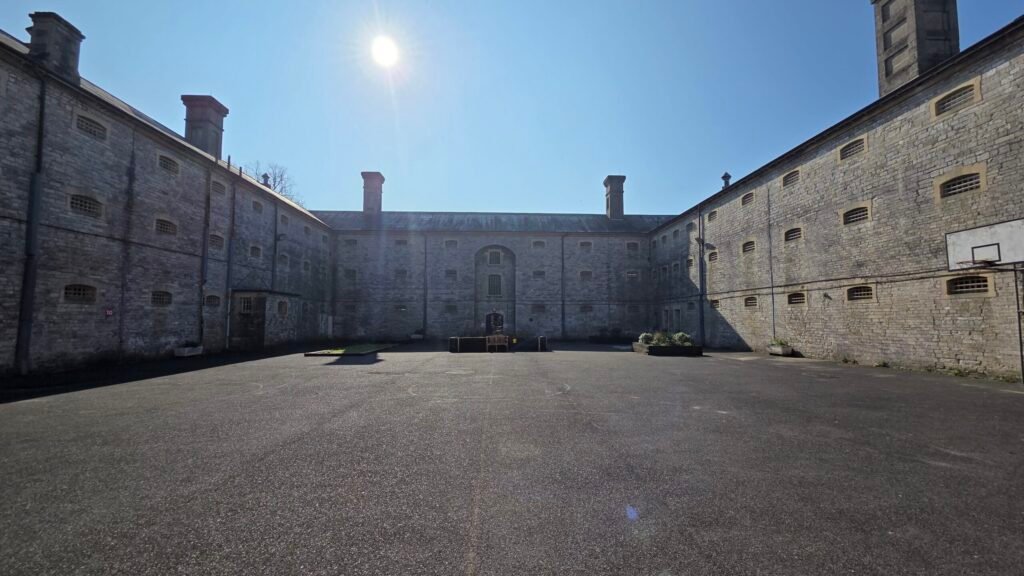



Minnesota’s best-known spooky destinations include Anoka, the self-proclaimed Halloween Capital of the World; St Paul’s Wabasha Street Caves; Sauk Centre’s Palmer House Hotel; and the historic Landmark Center. Some offer bookable ghost-themed tours, while others are attractions whose atmosphere and folklore are best appreciated alongside their actual history.
This guide expands an older page about one private Anoka ghost tour into a practical statewide overview. We focus on documented places, what you can book and how to separate haunting claims from historical evidence. For other Midwest travel ideas, compare our Indiana haunted locations and haunted places in Ohio.
If you’re planning a wider haunted-history trip, use our interactive haunted places map to discover other US and UK locations.
Quick picks: where should ghost-story fans go in Minnesota?
Best Halloween atmosphere: Anoka. Best dedicated haunted cave tour: Wabasha Street Caves in St Paul. Best haunted hotel and investigation experience: Palmer House Hotel, Sauk Centre. Best gangster-era storytelling: St Paul’s Landmark Center. Best grand historic house tour: James J. Hill House. These choices reflect visitor opportunities, not proven paranormal activity.
1. Anoka — the Halloween Capital of the World
Anoka has a documented and unusually long Halloween tradition. Local organisers trace the town’s first organised public celebration to 1920, when community leaders hoped a parade and festivities would replace the pranks that had become common on Halloween night.
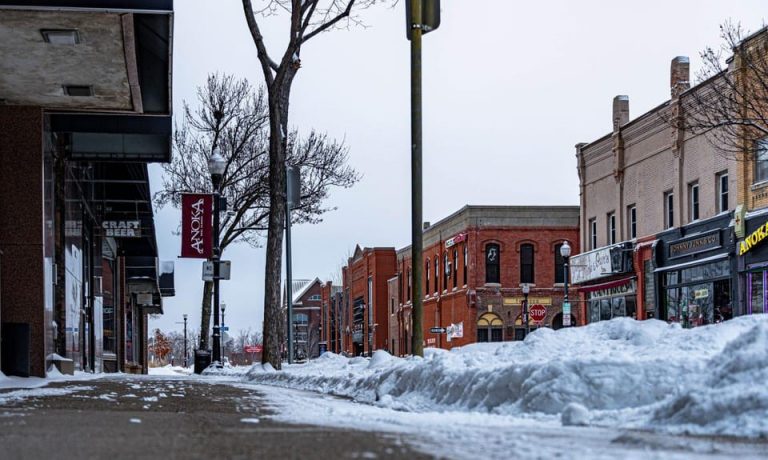
The city adopted the identity Halloween Capital of the World, and its current annual programme includes parades and community events rather than simply a commercial haunted-house attraction. The official Anoka Halloween history explains the 1920 origins and subsequent growth.
The old version of this post advertised a specific private Haunted History of Anoka tour through GetYourGuide. That particular booking page could not be independently verified as a currently purchasable tour, so we are not presenting it as confirmed availability. Check current locally organised heritage walks and events through Anoka Halloween and local tour providers before making plans.
What should you do in Anoka outside October?
The historic downtown, riverside setting and local shops can still be enjoyed beyond Halloween. Take a normal heritage walk, learn the history of the town and save the major celebrations for a fall visit if seasonal events are your priority. Anoka is a real community, so many sites featured in ghost-story retellings are active businesses or private property.
Be cautious about tour copy that claims every old building was a venue for a confirmed paranormal event. A tradition of Halloween parades is well documented; claims about particular ghosts require their own sources.
2. Wabasha Street Caves, St Paul — underground history and alleged ghosts
Wabasha Street Caves are sandstone caves once used for silica mining, mushroom cultivation and later entertainment during the Prohibition era. The operator offers a historical tour explaining this evolution and a specialist Lost Souls Cave Tour focused on haunting traditions and alleged gangster deaths.

The official cave website currently lists Historic Cave Tours throughout the week, lasting approximately 45–60 minutes. It also advertises seasonal or special Lost Souls experiences. Historic Cave Tours are family-oriented, whereas the Lost Souls version has a higher recommended minimum age and includes ghost stories and reported photographs.
The tales about unsolved mob killings are part of the cave’s interpretation, but the operator itself notes uncertainty about one central crime story. That is a useful reminder: an entertaining account does not automatically establish a documented murder or haunting. Always see the Wabasha Street Caves official tour list for current times, rules and ticket types.
You cannot independently explore the caves. The operator requires guided access. If you want underground history with a reported supernatural reputation, this is one of Minnesota’s clearest organised options.
3. Palmer House Hotel, Sauk Centre — stay overnight or join a ghost tour
Palmer House Hotel in Sauk Centre is a historic working hotel associated with novelist Sinclair Lewis and decades of local ghost stories. The hotel traces its current building to the rebuilding that followed a fire in 1900. It is also known for accounts of unexplained sounds, unusual feelings in guest rooms and stories involving the basement.
Unlike an empty ‘haunted’ building described online, Palmer House advertises accommodation and scheduled historical/paranormal events. Its official event calendar lists a November 2026 guided basement tour with a mini-investigation and advance booking. The venue makes clear that a tour ticket does not include a hotel stay.
These accounts are part of the hotel’s identity, not confirmed evidence of spirits. If you visit, ask about permitted areas, photography and the separate costs of overnight accommodation. Note that the official hotel currently asks guests to reserve rooms by telephone; use its own website for current contact and conditions.
4. Landmark Center, St Paul — the city’s gangster-era stories
St Paul’s Landmark Center occupies a former federal courthouse and government building dating to the early twentieth century. Its stone halls and connections to prosecutions of well-known criminals have inspired heritage events about gangsters, bootleggers and dark episodes from the city’s past.
One example is the venue’s Gangster Ghost Tour, a special theatrical history event rather than a permanent daily ghost walk. Its 2026 edition was advertised for 28 October. As of mid-November, that date has passed; check the official event page for any future announcement.
The centre also provides regular public architecture and history tours that can be enjoyed without a paranormal theme. Those tours are useful if you prefer substantive history to seasonal scares.
5. James J. Hill House — historic St Paul mansion
The James J. Hill House is a large 1891 mansion associated with railroad entrepreneur James J. Hill. This is primarily a heritage house museum, not a guaranteed ghost-hunting venue. Its preserved rooms and domestic history make it a worthwhile contrast to Minnesota’s more overtly paranormal attractions.
The Minnesota Historical Society offers timed guided tours and seasonal programmes. The official Hill House site describes the rooms, family, domestic staff and architecture; hours change with the season. A visit is best framed as historical exploration, even if you have encountered ghost-themed retellings online.
Other Minnesota places with dark or unusual history

The state has many more dramatic historical sites, including old railways, lighthouses and institutional buildings. However, it is misleading to label every cemetery, hospital or former workplace as ‘haunted’ simply because it is old. Public museums and managed historic landmarks are preferable to abandoned buildings whose access and safety status is uncertain.
Our California guide and Arizona guide take the same approach: evidence first, legends clearly labelled and practical visiting advice.
Private Anoka ghost tours: how to check the old listing
The earlier article repeatedly promoted a private Anoka ghost walk on GetYourGuide. Its old activity listing is not currently accessible through the publicly available search results checked for this refresh. That does not prove every Anoka ghost tour has ended, but it means we should not describe that exact product as bookable.
Instead, ask local operators about dates, group size, meeting point, whether a guide is included and any age limits. A private experience may cost more than a shared walk but offer flexible timing and more opportunity for questions. A self-guided downtown visit will not provide entry to closed historic sites.
Planning a Minnesota haunted-history trip
These attractions are spread out. Anoka is north of Minneapolis, while Wabasha Street Caves, Landmark Center and Hill House are in or near St Paul, making the St Paul sites the easiest group to combine geographically. Sauk Centre’s Palmer House is a separate central Minnesota trip; do not attempt to include it casually in a short city-centre walking itinerary.
For caves and older buildings, expect stairs or uneven surfaces and check accessibility directly. Most sites require ordinary visitor etiquette rather than paranormal equipment. If attending an organised investigation, record environmental conditions and avoid treating changing electromagnetic readings as evidence of a spirit without controls. See our EMF meter guide for more context.
Frequently asked questions
Why is Anoka called the Halloween Capital of the World?
Anoka traces its public Halloween celebration to 1920, when community leaders organised a parade and events to discourage pranks.
Can you visit the Wabasha Street Caves?
Yes, through an organised guided tour. Their historic cave programme is distinct from more ghost-focused special experiences; self-guided cave access is not permitted.
Can you stay at the Palmer House Hotel?
Yes, it operates as a hotel. Reservations and paranormal-event tickets are separate and must be arranged through the venue.
Are these Minnesota sites proven to be haunted?
No. They are historic places associated with reports, legends or theatrical storytelling, not scientifically established supernatural activity.
Final verdict
For a dedicated ghost-story experience, start with Wabasha Street Caves or a scheduled Palmer House event. Choose Anoka for Halloween tradition, and Landmark Center or Hill House for substantial historic interpretation. Minnesota has enough real history to make these trips interesting whether you believe the ghost stories or not.