

Quick answer: Leprechauns are small, elusive fairy figures from Irish folklore, best known as solitary shoemakers, clever tricksters and guardians of hidden treasure. The modern green-suited leprechaun is only one version of the tradition: older accounts vary considerably, and there is no reliable evidence that leprechauns exist as physical creatures. This guide explains what the stories actually say, where the familiar gold and clothing come from, and which popular claims are modern additions.
Leprechauns are part of Ireland’s rich oral storytelling heritage, rather than a real animal waiting to be discovered. For an introduction to the wider tradition, see our guide to fairies and fairy folklore. It helps to separate what collectors recorded from what films, novelty traps and St Patrick’s Day marketing later popularised.
What is a leprechaun in Irish folklore?
A leprechaun, commonly called leipreachán in Irish, is generally portrayed as a solitary fairy or small supernatural being. Accounts collected in different parts of Ireland describe different appearances and habits. Many portray him as an elderly figure who works on shoes, keeps to himself, and is difficult to outwit.
The National Folklore Collection’s Schools’ Collection preserves regional stories about a little shoemaker associated with gold. These recorded traditions are much more useful than assuming every picture of a green hat and rainbow represents an ancient Irish belief.
Why are leprechauns associated with shoes and pots of gold?
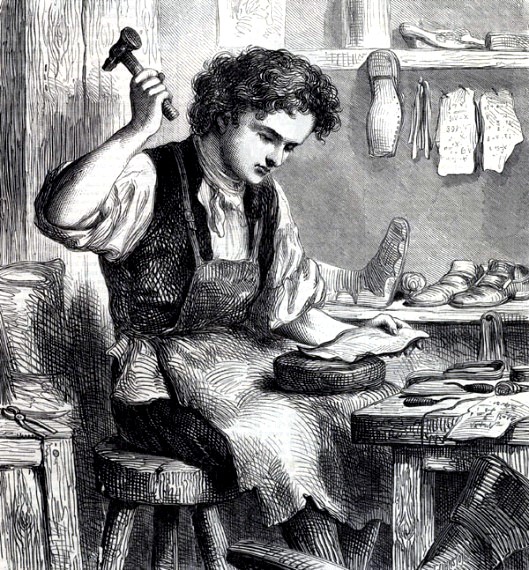
Shoemaking is one of the most recognisable details in collected tales. The leprechaun may be heard tapping away at a tiny shoe before a human discovers him. In stories about treasure, a person tries to hold on to the elusive creature until he reveals where his hidden money is kept. The leprechaun frequently escapes through a distraction, a trick or the person’s own impatience.
That is the point of many tales: a wish for easy riches meets an opponent who is smarter than the would-be captor. A buried crock of gold belongs to folklore, not a real-world search technique or an invitation to trespass on private land.
Did leprechauns originally wear green?
Not always. Green clothing dominates modern illustrations and celebrations, but earlier literary descriptions sometimes gave leprechauns red jackets and hats. Regional traditions also differ. The image of a tiny man entirely dressed in bright green became more familiar as Irish symbolism and commercial imagery changed.
The Smithsonian’s discussion of Irish folklore notes the historical red clothing. An Irish Schools’ Collection account even describes a green cap with a red coat. There is no single standard costume that applies to every century or county.
Are leprechauns friendly, good or evil?
They are not consistently depicted as either benevolent or malicious. Many stories describe bargaining, mockery, misdirection and a sharp sense of humour. Whether the human character behaves wisely is often more important than assigning the leprechaun a simple moral label.
It is tempting to treat leprechauns as a single species with fixed rules. Irish folk narratives are more varied than a modern character guide. Compare that flexibility with the traditions described in our article about fairies, pixies and related beings.
How do you catch a leprechaun in the old stories?
The traditional answer belongs to a story, not a real set of instructions. In familiar tales, someone catches or confronts the leprechaun and demands to know where treasure is hidden. The leprechaun then distracts the person, who looks away or loosens their grip; the small figure disappears and the treasure remains unfound.
Modern leprechaun traps are creative games for children or seasonal decorations. They are not evidence of an actual fairy species, and woodland habitats should be left undisturbed rather than dug up or baited.
What do leprechauns eat?
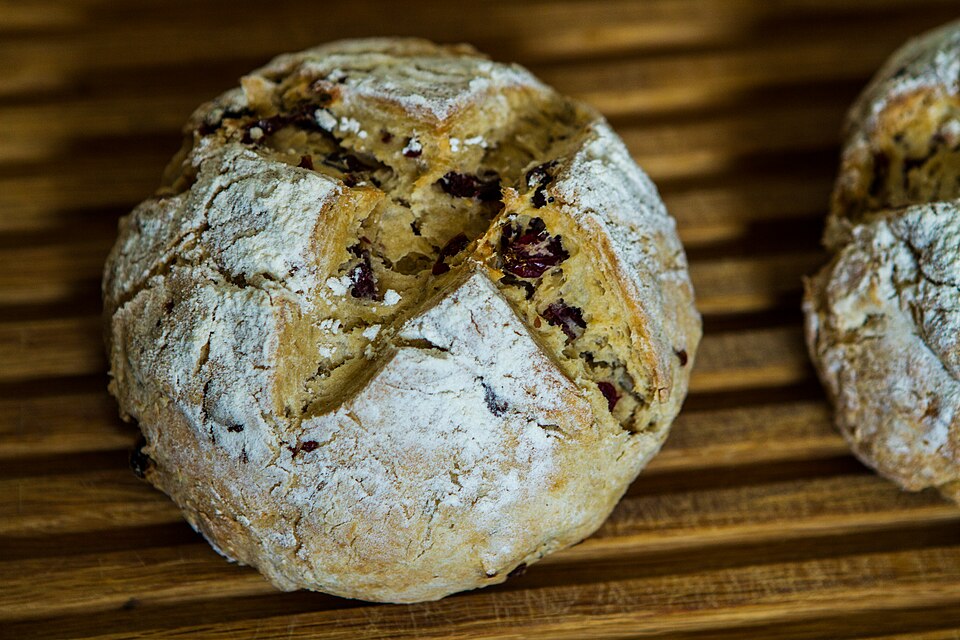
There is no universally agreed traditional diet. Some modern descriptions imagine them enjoying Irish dishes, sweets or drinks, but those details are often imaginative extensions of the legend rather than rules from historical folklore. The best answer is to look at the particular story being told and avoid presenting a fictional menu as a documented fact.
Are there female leprechauns?
The best-known collected depictions usually describe a solitary male shoemaker, but that does not prove a universal rule about every regional fairy belief. Some contemporary stories and illustrations depict female leprechauns. It is more accurate to distinguish those modern creative choices from the narrower patterns in older documented narratives.
Are leprechauns real, and can they be investigated?
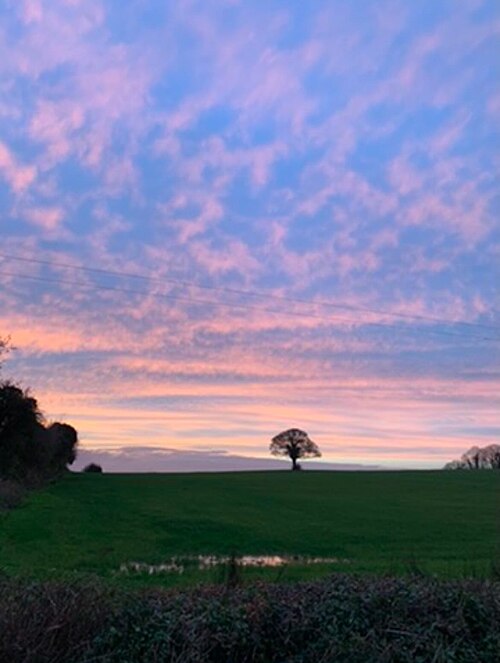
There is no credible, repeatable physical evidence that leprechauns exist. Their importance lies in folklore: they reveal how storytelling communities imagined wealth, luck, encounters with the unknown, and the consequences of greed or carelessness.
If you’re interested in investigating local stories, start with archives, place names, historical collections and interviews, rather than assuming a sighting proves a supernatural being. Our Cryptozoology archive brings together legends and reported creatures, but a folklore claim should not be confused with a zoological finding.
What do Irish folklore records actually say about leprechauns?
Rather than relying on a single modern cartoon, compare two separate entries in the Irish National Folklore Collection’s Schools’ Collection from Inistioge and Loughanvally. The Inistioge account describes a very small red-clad shoemaker in woodland; the Loughanvally version describes a green coat, red cap, a fort and a hidden vessel of gold. Neither should be treated as a description of a zoological specimen.
The contrast matters because it shows the value of local oral tradition. Clothing, size, place and behaviour change between tellers, while recurring motifs such as shoemaking, difficult bargains and cleverly concealed treasure connect the accounts. A guide that declares ‘all leprechauns wear green’ ignores a valuable part of the Irish record.
The Schools’ Collection was assembled through schoolchildren gathering stories from family and neighbours. An entry tells us that a particular story was circulating in a community; it does not independently confirm that the encounter happened. That distinction allows the material to be discussed respectfully without representing it as scientific evidence.
Why does the leprechaun outwit the person searching for gold?
In many stories, the human sees a quick route to wealth and assumes a small captive will be easy to control. The leprechaun wins by redirecting attention: an unexpected noise, another person approaching or a sudden question causes the captor to look away. When the human returns their gaze, the figure is gone.
This is a useful storytelling device. The audience knows the character has been warned not to lose sight of the leprechaun, so the moment of distraction becomes both comic and frustrating. The tale can be read as a warning about greed, overconfidence or the foolishness of trying to force an unwilling helper to hand over treasure.
Not every tale has the same moral. Some narrators emphasise luck, some cleverness and some the hidden world that exists alongside ordinary farm and village life. Comparing multiple accounts is more informative than extracting a single list of leprechaun ‘powers’.
Leprechauns, fairy forts and the Irish landscape
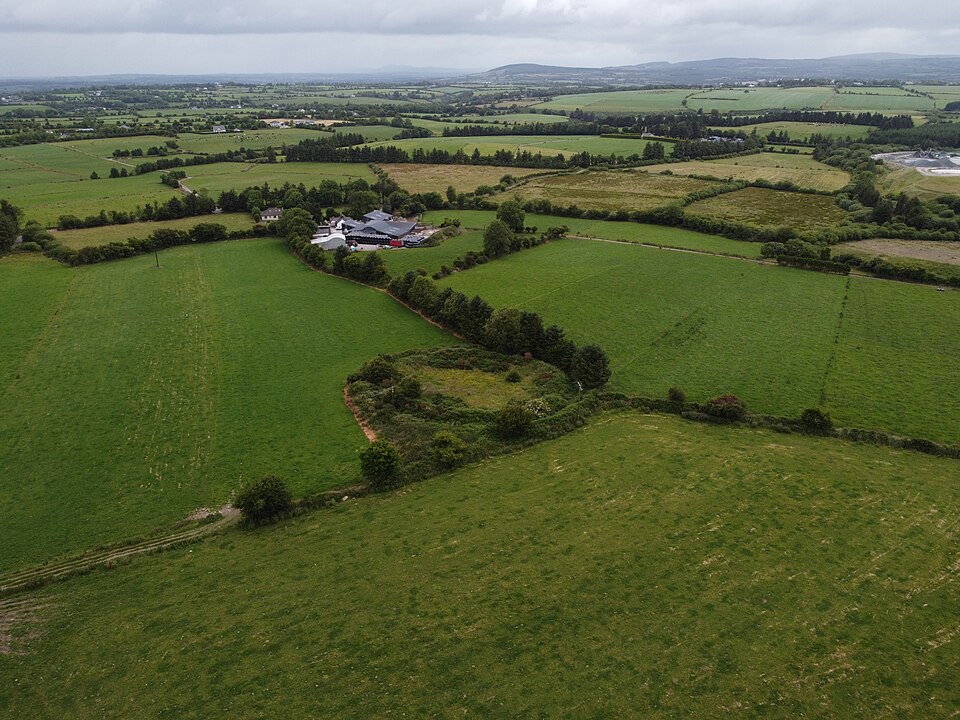
Leprechauns are sometimes associated with forts, bushes, valleys or patches of woodland in local stories. ‘Fairy fort’ is a folklore name attached to some archaeological earthworks, especially ringforts; their historical use by people and later supernatural associations should not be confused.
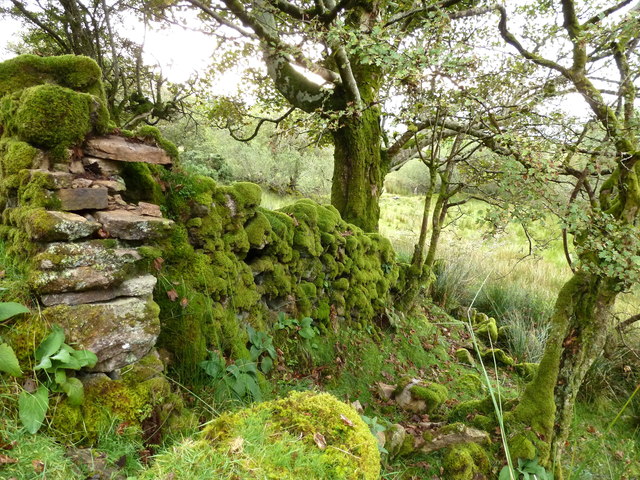
A stone wall or raised circular enclosure can have an archaeological explanation even when nearby families tell stories about fairies. The landscape can carry both histories. If visiting a site with folklore associations, keep to rights of way, respect private property and do not disturb historic features in the hope of finding buried treasure.
For a wider explanation of such traditions, see our guide to fairies and fairy rings. These tales belong to different but sometimes overlapping strands of folklore, not a single consistently described hidden kingdom.
How did the modern St Patrick’s Day leprechaun become so familiar?
Modern festive imagery often presents a smiling figure with a bright green suit, shamrock, buckled hat and rainbow. This image is easy to recognise in advertising and seasonal decorations, but the historical records show a more varied, sometimes grumpier and less helpful character.
The shift is a reminder that folklore changes when people retell it for new audiences. A commercial mascot, a children’s craft project and a collected oral account may all involve the same name while doing different things. None automatically replaces the others; the key is to say which tradition or adaptation a description comes from.
A good way to read an online claim is to ask: does it name the narrator, the county and the approximate date? Can the quotation be checked in an archive? Or does it repeat a modern fact sheet without attributing its details? These questions are especially useful when researching other cryptids and legendary beings.
How to research a local leprechaun legend
Start at Dúchas.ie using a place name and the terms leprechaun or leipreachán. Read beyond the first result and compare at least two independently collected records. Note who told the story, where it was recorded and which details vary.
If you share the story publicly, label your account as a retelling or summary unless you have direct evidence of a first-hand event. Preserve names and place details accurately and avoid inventing a dramatic encounter to make the narrative more exciting. This gives readers something they can verify and brings much more value than another list of supposed leprechaun weaknesses.
An archive entry is also a reminder to credit the people who preserved a tale. The narrator, collector, school and place may all be recorded, and those details help explain the story’s context. When retelling it for a modern audience, paraphrase responsibly and link to the original record instead of inventing dialogue or suggesting the people involved actually found supernatural treasure.
A final check is to distinguish Irish-language terms from convenient English translations. Different spellings can reflect dialect, collection practices and changes in language over time. A modern glossary is useful, but it should never erase the local voice of the story being explained.
Leprechaun FAQs
What is the difference between a leprechaun and a fairy?
A leprechaun is usually treated as one kind of solitary fairy within Irish folklore. The wider word ‘fairy’ covers many distinct beings and traditions; leprechauns do not stand in for them all.
Are leprechauns afraid of iron?
Iron appears as a protective material in some wider fairy traditions, but it should not be described as a verified or universal leprechaun weakness. Storytellers differ about what can repel or deceive a fairy.
Where does the name leprechaun come from?
The word is connected with Irish names for the small fairy figure, especially leipreachán. Etymological explanations differ, so familiar modern spellings should not be treated as direct translations of every older term.
Is there a real pot of gold at the end of a rainbow?
No. Both the hidden pot of gold and finding the end of a rainbow belong to storytelling and symbolism. A rainbow is an optical phenomenon whose apparent position changes with the observer.
Where can I read authentic Irish leprechaun stories?
Start with the Dúchas Irish folklore archive, especially the Schools’ Collection, and compare accounts from different places. That reveals how varied these stories were before the now-familiar commercial imagery.
Final verdict: folklore is more interesting than the stereotype
Leprechauns are enduring characters of Irish storytelling, not proven hidden creatures. Their older roles as elusive shoemakers and tricksters are more revealing than simple lucky charms or novelty traps. For more folklore, continue with our guides to fairies and vampire legends.
Image credits
The photographs show real Irish places, landscapes and food, rather than evidence of supernatural leprechauns. Sources and reuse licences:
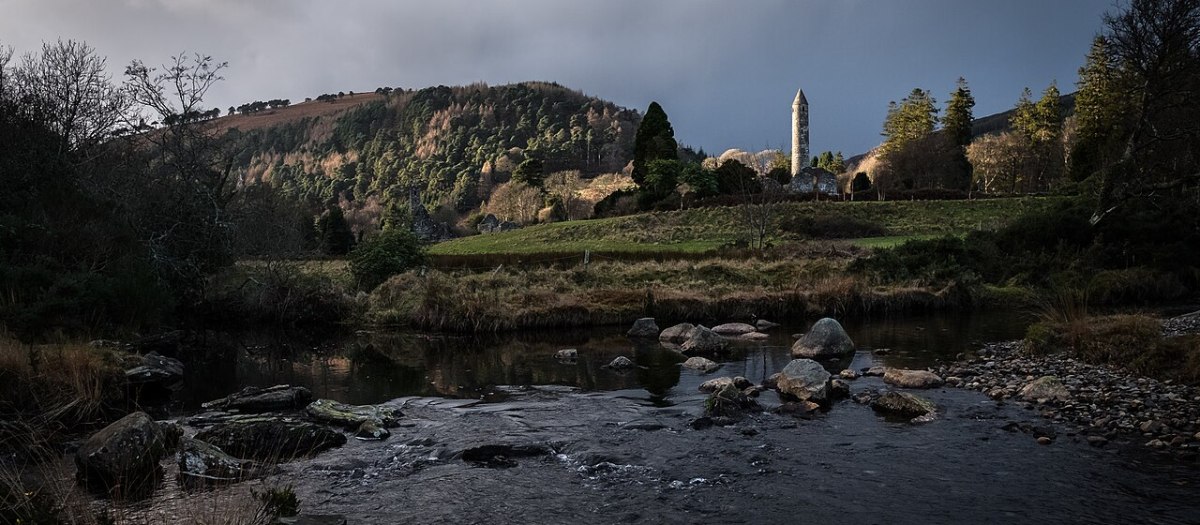
- Featured Glendalough landscape — Giuseppe Milo, CC BY 3.0; cropped and resized (licence)
- Shoemaker engraving — The Band of Hope Review (1861), public domain
- Mossy Wall at Darn — louise price, CC BY-SA 2.0 (licence)
- Fairy fort near Carrigcleena — Tim Sheerman-Chase, CC BY 2.0; resized (licence)
- Irish soda bread — Jim Lukach, CC BY 2.0; resized (licence)
- Fairy Tree in County Clare — Luaslou, CC BY-SA 4.0; resized (licence)