

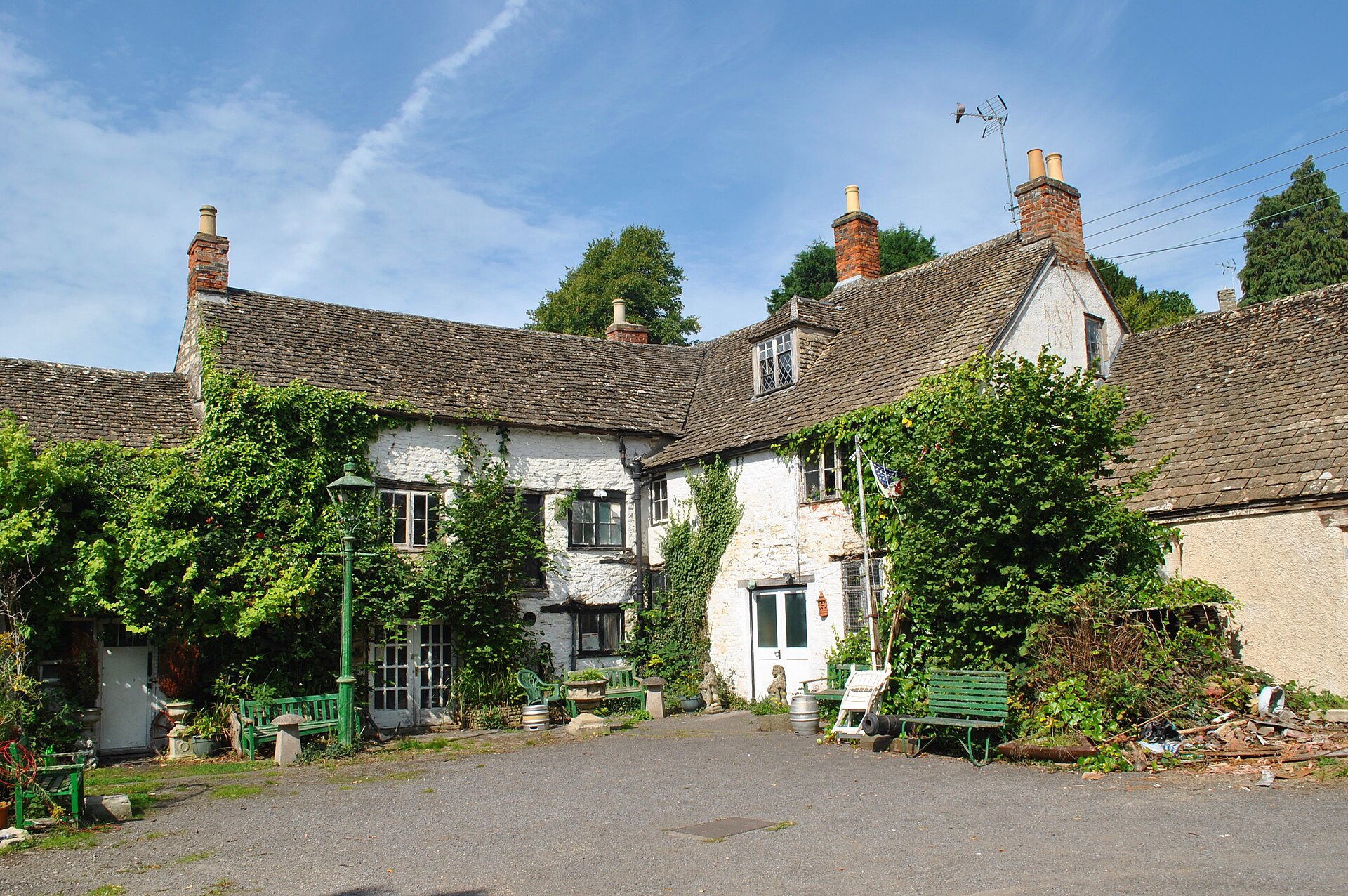
Why is the Ancient Ram Inn famous? The Ancient Ram Inn in Wotton-under-Edge, Gloucestershire, is a Grade II* listed historic building best known for its centuries-old architecture, its association with former owner John Humphries and its reputation in paranormal television and ghost-hunting circles. Stories of a witch, a child spirit and disturbing encounters make it one of England’s best-known allegedly haunted buildings—but the folklore should not be confused with documentary proof of paranormal activity.
If you are researching a visit, the first thing to know is that this is not a normal pub that happens to have a ghost story. The property operates as a specialist paranormal attraction offering organised events and investigations. This guide explores what is genuinely known about the building, how its legends developed, what a visit involves and how to investigate its reputation responsibly.
If you are planning to visit other places linked to ghost stories, browse our Haunted Places Explorer for mapped UK and US locations, visitor information and further reading.
Affiliate disclosure: Mystic Realm Blog may earn commissions from selected links. Links to the inn’s official website and to historical records are provided for independent reference and are not presented as paid recommendations.
Quick facts about the Ancient Ram Inn
- Location: 8 Potters Pond, Wotton-under-Edge, Gloucestershire, GL12 7HF.
- Heritage status: Grade II* listed, Historic England entry 1088885.
- Historic structure: late-medieval fabric with substantial remodelling during the sixteenth century.
- Known for: paranormal events, historic timber framing and long-running stories of ghostly activity.
- Visitor access: organised sessions and advance bookings; consult the official site for the current programme.
- Historical caution: claims of an 1145 foundation, sacrificial rituals or a pagan burial ground need more evidence than popular ghost-lore retellings provide.
How old is the Ancient Ram Inn really?
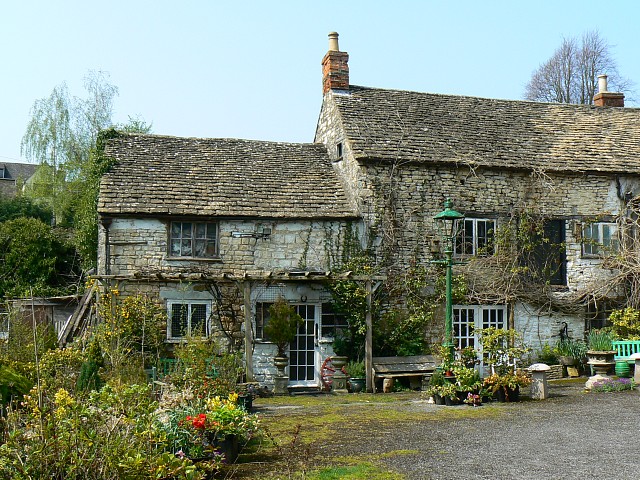
Articles about the Ancient Ram Inn often state that it was built in 1145. That precise date is repeated widely, but it is not established by the official listing description. Historic England describes the property as a late-medieval inn remodelled in the mid-to-late sixteenth century. Deeds linked to the property date back to 1350, while substantial surviving features—including timber framing and carpentry—reflect later changes.
This distinction matters. A story can be old and culturally significant without every date attached to it being verifiable. Calling the inn “medieval” is supported by its recorded fabric; assigning the entire standing building to 1145 is a much stronger claim. The official listing gives us a more dependable starting point for discussing its past.
Among the most interesting details is Historic England’s suggestion that its position near the church and architectural evidence may point to an earlier function as a church house. Its fabric contains different stages of construction and alteration, including a complex roof and surviving historic doors and beams.
From medieval building to wool-trade inn
The Wotton-under-Edge area has a history tied to Gloucestershire’s textile and wool industries. Historic England records tenter hooks and documentary associations with wool merchants from the sixteenth century. Tenter hooks were used in the cloth-finishing process; in this context, they help connect the building to ordinary economic activity rather than the extraordinary events later attributed to it.
The structure includes limestone rubble walls, timber framing, an early roof and later additions. Its shape and features changed over centuries, which is typical of a working building reused by different generations. A deed from 1820 refers to it as “The Ram”. Those details are less sensational than ghost-hunting claims, but they give the site a compelling place in local history.
For readers who want to check the record themselves, see Historic England’s official Grade II* listing and its historical image and research summary.
Who was John Humphries and why does he matter?
John Humphries was central to the Ancient Ram Inn’s modern identity. As a long-time resident and custodian, he became closely associated with the building’s allegedly supernatural activity, welcoming paranormal enthusiasts and sharing stories of his experiences. His personality and storytelling helped make the inn a recognised destination for ghost hunters far beyond Gloucestershire.
Visitors sometimes hear statements attributed to John about voices, oppressive feelings, moving objects or entities in particular rooms. These accounts are part of the property’s modern folklore; their evidential value depends on the original context and whether they were independently documented. A respectful history should preserve his contribution without turning recollection into proof.
The inn’s present official website describes its evolution from a residence and guest house into a paranormal events venue. Today, the building’s reputation is sustained by organised investigations, media appearances and visitors’ own interpretations of their experiences.
The Ancient Ram Inn’s most famous ghost stories
The alleged witch and the ritual stories
One of the inn’s most persistent legends involves an alleged witch, sometimes connected to dark rituals and rooms believed to have unsettling histories. Some accounts add that the building stands on a pagan burial site or a route associated with ancient religious practices. Those claims are popular in paranormal media, but they should be labelled as tradition rather than authenticated archaeology.
The site’s actual proximity to a church and its late-medieval structure provide a meaningful historical context. They do not, by themselves, demonstrate human sacrifice or occult activity. When looking for the earliest version of a story, ask whether it can be traced to a contemporary document, an archaeological report or a much more recent interview.
A child spirit called Rosie
Stories also describe a young girl, often called Rosie, said to appear in or near parts of the inn. Versions of the narrative vary, and some connect her to violent events without providing verifiable records. It is more responsible to describe this as an attributed ghost story rather than report the child’s identity, death or experiences as historical fact.
The Roman soldier and other reported apparitions
Another familiar account concerns a figure dressed as a Roman soldier, alongside descriptions of heavy footsteps, shadows and objects moving. The imagery is evocative, yet a figure wearing Roman dress is not evidence of an actual Roman presence at that spot. Visitors may experience unexplained sensations, but stories, suggestion and conditions inside old buildings can shape how such experiences are interpreted.
Cold spots, voices and strange noises
Old buildings have draughts, uneven temperatures, creaking joinery and sound that can travel unexpectedly. Investigators should document these ordinary factors before attributing a sudden chill or a recorded sound to a spirit. The same caution applies to electronic voice phenomena (EVP): a faint pattern in a noisy recording is not necessarily a voice.
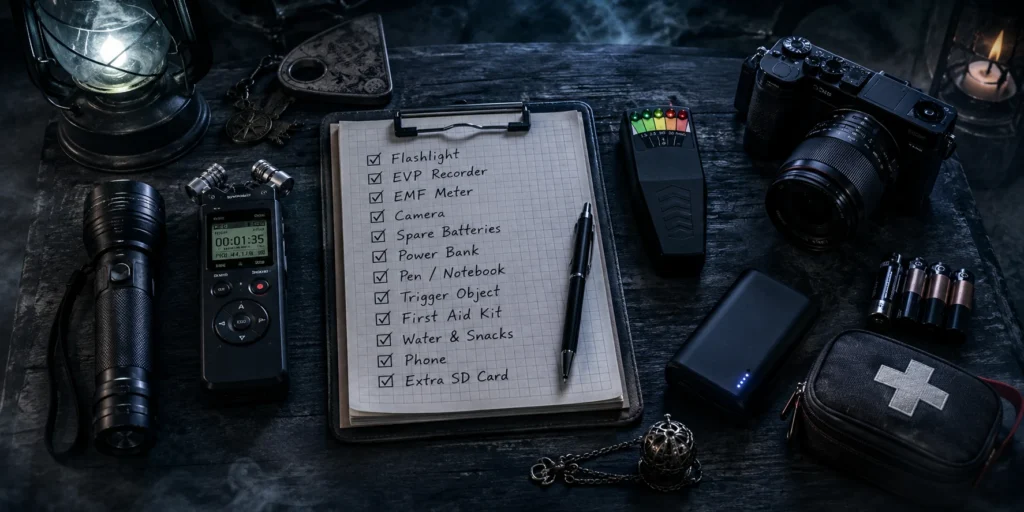
For practical techniques, see our guide to recording EVP and ghost hunting equipment checklist. Neither equipment nor a single dramatic clip can independently validate a haunting.
The Ancient Ram Inn on television and in paranormal culture
The inn is frequently discussed alongside British and international paranormal television, particularly programmes that focus on allegedly haunted buildings. Editing, dramatic storytelling and the expectations of presenters can make these appearances memorable, but they are not substitutes for independently verifiable investigation records.
A useful way to watch any paranormal episode is to separate three things: what participants claim to have experienced, what the camera and audio equipment actually recorded, and what conclusions the programme invites viewers to draw. These are not always the same. If you enjoy the genre, our poltergeist explainer considers how different types of paranormal claims are described and interpreted.
My visit and the value of first-hand photographs
The original Mystic Realm Blog article describes a visit to the Ancient Ram Inn and nearby St Mary’s Church, accompanied by photographs taken on that trip. Those are valuable details to retain as first-hand observations of the location, rather than replacing everything with stock imagery. Visiting the area helps convey the scale of the building, its position in the town and the contrast between the inn’s sinister reputation and the everyday surroundings.

Personal photographs can demonstrate a genuine visit, but they should not be presented as evidence that a haunting occurred. Photographs of the exterior, historic surfaces and nearby streets make the story more useful to future visitors even without a paranormal incident.
How to visit or book an investigation at the Ancient Ram Inn

The venue’s official website currently advertises organised ghost hunts, Sunday afternoon sessions and junior events with their own age requirements. The venue also promotes private investigations and other specialist experiences. Dates, formats, suitability and prices vary; follow the live booking pages before making travel plans.
The published address is 8 Potters Pond, Wotton-under-Edge, Gloucestershire, GL12 7HF. The official contact page provides a phone number and enquiries route for access, event requirements and private bookings. Do not assume walk-in tours, overnight accommodation or unrestricted photography are available just because the building was historically an inn.
What should you bring?
- A charged phone, practical torch and spare power if the organiser permits electronic equipment.
- Comfortable clothing and shoes suitable for uneven floors and an old building.
- An audio recorder and notebook if recording is allowed; note times and environmental conditions.
- Any medication, water or comfort items needed for a longer session.
- An open mind, but also an awareness that a memorable experience is not automatically paranormal evidence.
Before attending, check step-free access, bathroom arrangements, age limits, parking and whether your booking includes the full building or only designated areas. Never enter closed rooms or attempt a private after-hours investigation without permission.
Is the Ancient Ram Inn actually haunted?
There is no publicly established scientific demonstration that the building contains ghosts. The Ancient Ram Inn is, however, historically significant, rich in traditions and unusually important to modern British paranormal culture. Different visitors may leave with very different impressions. A strong article should make space for both personal experiences and reasonable alternative explanations.
If you enjoy comparing haunted buildings, read our 30 East Drive haunting guide or explore the haunted Peak District and Devil’s Chair folklore articles for contrasting types of haunted destinations.
Frequently asked questions
When was the Ancient Ram Inn built?
Its standing fabric is late medieval and was remodelled in the sixteenth century, while deeds trace the property back to at least 1350. The widely quoted date of 1145 is not substantiated by Historic England’s listing.
Can you stay overnight at the Ancient Ram Inn?
It advertises specialist ghost-hunting experiences, some of which may be lengthy or overnight. This is not a guarantee of conventional hotel accommodation. Check the exact event description with the organisers.
Where is the Ancient Ram Inn?
It stands at 8 Potters Pond in Wotton-under-Edge, Gloucestershire, England. Booked visitors should check the official directions and any arrival instructions.
Is the Ancient Ram Inn suitable for children?
Some events are marketed specifically as junior sessions with stated age criteria. Standard investigations may have different restrictions, so consult the organiser before booking.
Final verdict
The Ancient Ram Inn deserves attention for more than its dramatic ghost stories. The building has remarkable architectural survival, a documented link to local wool-trade history and a living legacy shaped by John Humphries and generations of paranormal visitors. We recommend visiting for the history and the experience, approaching the supernatural claims with curiosity and care rather than treating legends as settled facts.