

Quick answer: Scrying is a traditional form of divination in which a person gazes at a mirror, water, crystal ball or another surface and interprets the impressions or images that arise. Practitioners may use it for spiritual reflection, symbolism or attempts at prediction. There is no reliable scientific evidence that scrying reveals hidden information or the future, but its history and techniques can be explored safely as a contemplative practice.
Affiliate disclosure: This article contains affiliate or referral links. Mystic Realm Blog may earn a commission if you choose to purchase through them, at no extra cost to you.
You do not need a mysterious black mirror or a room filled with candles to understand scrying. The simplest version involves a quiet setting, a reflective surface and a notebook. What matters most is knowing which parts come from historical practice, which are modern interpretations and how easily the human mind can find patterns in shadows and reflections.
What does scrying mean?
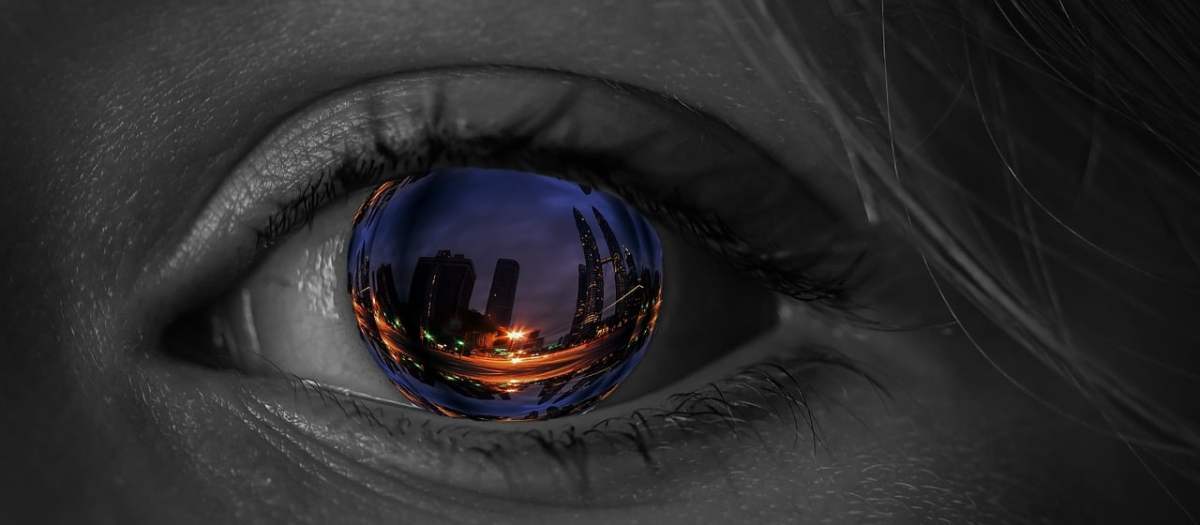
The word is used for divination by gazing. Different traditions have employed polished stones, reflective glass, bowls of water or other objects. Some practitioners describe visions or symbolic scenes; others experience shifting patterns, colours or thoughts. A useful distinction is between the experience of seeing or imagining something and the interpretation that it must be a supernatural message.
In modern spiritual circles, scrying can overlap with meditation, ritual magic, clairvoyance and introspection. These are not equivalent activities, however. You might use a mirror as a focus for contemplation without claiming it communicates with spirits. If you want a broad introduction to the language of psychic practice, see our guide to psychic abilities and intuitive exercises.
A short history of scrying and reflective divination
Reflective surfaces and divination have long been associated in a number of religious and esoteric traditions, but it is misleading to suggest there was one universal ancient practice with unchanged instructions. The meaning of a mirror depends on its cultural setting and the available records. Modern books also combine practices that once had quite different purposes.
A well-known European example is the Elizabethan scholar and occultist John Dee, who worked with mediums and used objects described as stones or mirrors in attempts to communicate with angels. An obsidian mirror associated with Dee is held at the British Museum. Researchers have examined its material and provenance, including its connections with Mexico; precisely how it reached Dee remains uncertain. See the historical study The Mirror, the Magus and More.
That example is a reminder that the history of occult objects can involve trade, collecting and colonialism as well as European magical traditions. When reading about an “ancient” mirror, ask where the object actually came from, how the attribution was made and whether its original cultural meaning differs from the later story attached to it.
What can you use for scrying?
Black mirrors and ordinary mirrors
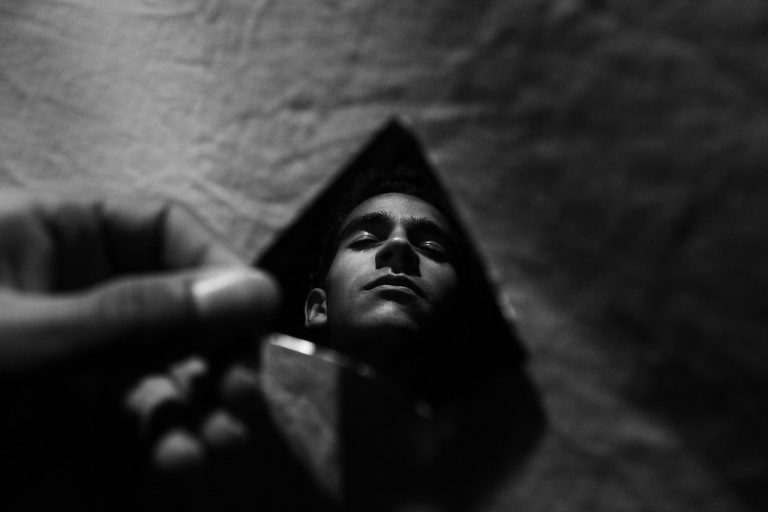
Dark, polished glass is commonly associated with contemporary mirror scrying, sometimes called catoptromancy. A dark surface reduces visual detail and makes reflected shapes ambiguous. You can use an ordinary mirror in a comfortable, softly lit room; there is no reason to buy obsidian or paint glass black just for a first experiment. Broken glass and improvised coatings create avoidable hazards.
A mirror can draw attention to subtle changes in light and focus. If you notice an unfamiliar shape, try altering the angle or lighting before treating it as a meaningful image. Changes in reflection can explain a surprising amount, especially in an unfamiliar room.
Water scrying
A shallow bowl of still water is an inexpensive alternative. It provides reflections that can move or distort when the surface is disturbed. Place a bowl on a stable table with normal light; you do not need to float candles or add substances. Watch the surface briefly, then make a note of what you noticed and what you think may have produced it.
Because small ripples can transform a reflection, water is especially useful for showing the difference between a visible pattern and the story we attach to it. That can make the exercise interesting even if you do not subscribe to supernatural interpretations.
Crystal balls and polished stones
Crystal-gazing is another familiar image from folklore and popular culture. Different spheres refract light and distort what is behind them. Some practitioners associate their colours or materials with spiritual meanings, but those associations are matters of belief rather than proven properties. An ordinary clear glass sphere can be used to observe light and reflection; avoid placing one in direct sunlight where it could concentrate rays and create a fire risk.
Before buying a large sphere, ask whether it is actually useful for your purpose. Reflective practice does not require an expensive stone, and a small bowl or mirror is much easier to store and handle. Our crystals guide explains the difference between cultural associations and physical mineral properties.
How to try mirror scrying: step-by-step
This is a beginner-friendly exercise in observation and symbolism rather than a method for predicting events. Keep it short and comfortable. Choose a room where you can see clearly enough to move safely; complete darkness, sleep deprivation and prolonged staring are not necessary and can be unpleasant.
- Prepare: Put a stable, unbroken mirror on a table. Avoid dazzling lights, naked flames and distracting devices.
- Choose a question: Use something open and reflective, such as “What is on my mind today?” rather than demanding a prediction.
- Observe: Look softly towards the reflective surface for two to five minutes without forcing your vision or holding your breath.
- Notice: If a shape, feeling or image appears, describe it neutrally rather than deciding immediately that it is a message.
- Record: Write down what you actually observed, the lighting and any interpretations. Take a break and return to normal activities.
For example, you may notice a vague face-shaped pattern in reflected furniture. Write “I saw two dark areas and a pale outline” before recording the interpretation “it looked like a face”. Looking at the mirror again under brighter light may reveal exactly what created the pattern. That is still a useful outcome: you have observed how perception changes with context.
Can you practise scrying with water?
Yes. Set a clean bowl on a level surface and let the water settle. Observe its reflection in ordinary, gentle lighting for a few minutes. Notice changes caused by a passing shadow, nearby movement or a slight vibration. Record any imagery or association, but do not treat it as a guaranteed sign of a future event.
A quiet water exercise can also be adapted into a mindfulness pause: pay attention to the reflection, take several comfortable breaths and then write a sentence about your current mood. If it becomes unsettling, end the exercise. For a different type of symbolic practice, see tarot reading for beginners.
Why might faces or shapes appear while scrying?
The brain is exceptionally good at finding familiar patterns in incomplete information. The tendency to perceive meaningful forms—particularly faces—in ambiguous images is often called pareidolia. Shadows, reflections, expectation, fatigue and sustained attention can all influence what a person thinks they see. A recognisable form in a mirror does not establish that a person or spirit is present.
That explanation does not invalidate the personal symbolism someone finds in an image. You may find that a remembered face prompts you to reflect on grief or a relationship, for instance. But reflection is different from claiming the mirror delivered an external message. Where a description could apply to many outcomes, avoid treating an apparent match as confirmation.
If unusual images appear repeatedly outside an exercise, are frightening or make it difficult to distinguish perceptions from everyday reality, consider talking to a trusted healthcare professional. Scrying should remain optional and never interfere with rest, safety or wellbeing.
How to interpret images without jumping to conclusions
Keep two columns in your notebook. In the first, describe the observable details as precisely as possible: “a dark circle near the lower edge”, “a flicker from a lamp”, or “a thought about a particular place”. In the second, write what those details suggested to you. This small separation makes it easier to see where interpretation begins.
If a vision seems to predict something, record it before the event and set a clear condition for what would count as a match. If you only look for connections after something happens, nearly any open-ended impression can seem meaningful. Be as willing to note a mismatch as a success. The aim is not to win an argument for or against the paranormal, but to understand how the experience arose.
Common mistakes beginners make
- Staring too intensely or continuing after eyestrain or discomfort.
- Assuming that every pattern, dream or sudden memory is a supernatural message.
- Using an unsafe candle setup or placing a crystal sphere in strong sunlight.
- Buying expensive tools before trying a simple, comfortable exercise.
- Reinterpreting vague impressions after an event so they always seem accurate.
- Taking advice from perceived visions instead of real-world information for important decisions.
A safer approach is relaxed, brief and curious. You can explore the culture and symbolism of scrying without putting yourself under pressure to produce visions. If you enjoy related traditions, our occult symbols guide provides background, while witchcraft for beginners places reflective rituals within a broader context.
Is a scrying mirror worth buying?
For a beginner, generally not until you know that you enjoy the practice. A normal mirror or bowl of water is enough to experiment with reflective observation. Specialist dark mirrors can be aesthetically appealing, but do not offer verified predictive powers. If you do purchase an object, choose it for craftsmanship, stability, appropriate dimensions and safe materials rather than marketing claims.
If you would like to browse traditional divination supplies, The Psychic Tree is one retail option mentioned on Mystic Realm Blog. Always compare prices and remember that equipment is optional.
Watch a scrying demonstration
The original video below is retained as a visual reference. Treat any experiences described in demonstrations as personal accounts rather than independently verified proof of supernatural information.
Scrying: frequently asked questions
What is the difference between scrying and clairvoyance?
Scrying is a particular practice involving a surface or object. Clairvoyance is the broader claim of perceiving hidden visual information without ordinary senses. Someone can explore scrying without claiming to possess clairvoyance.
Do you need a black mirror for scrying?
No. A normal mirror, still water or a simple glass sphere can be used for observation. The expensive or dramatic appearance of an object does not establish that it is more effective.
Can scrying predict the future?
There is no reliable scientific evidence that it can. Specific predictions would need to be recorded before events, scored fairly and repeatedly tested while excluding ordinary explanations.
Is scrying dangerous?
A short exercise in comfortable conditions is generally low-risk, but avoid unsafe flames, staring until your eyes hurt and practices that increase anxiety or disturb sleep. Stop if you feel uncomfortable.
How long should a scrying session last?
For a beginner, a few minutes is enough. There is no evidence that longer sessions produce more accurate insights. Take a break whenever your eyes, attention or mood become strained.
What is the best first scrying method?
A bowl of still water or an ordinary mirror in gentle light is an accessible choice. Make a brief note of what you saw and what you thought it meant, and consider the ordinary effects of reflections and expectation.
Final verdict: a historical practice worth understanding
Scrying has an interesting place in divination history, from reflective objects and occult literature to modern symbolic practice. You can explore it without claiming that visions reveal hidden facts. Keep your experiments brief, use simple objects, record impressions honestly and compare them with ordinary visual explanations. If you enjoy working with symbols, the next useful step may be tarot or studying the Wheel of the Year.