


Britain has several forests and ancient woods associated with ghost stories, from Wenlock Edge in Shropshire to Dering Wood in Kent and Ballyboley Forest in Northern Ireland. Their reputations are built from local legends, historical associations and reported experiences, not verified proof of haunting. This guide explains where they are, what the stories actually claim and how to visit without confusing folklore with documented history.
Woodland ghost tales have been passed around for generations. Their atmosphere comes from shifting light, unfamiliar sounds and real layers of human history. For more places where history and haunting traditions meet, see our haunted Peak District guide and our Devil’s Chair at the Stiperstones.
If you’re interested in more places associated with ghost stories, explore our Haunted Places Explorer for UK and US locations and visitor guides.
Quick answer: what are the most famous haunted woods in the UK?
Some frequently cited examples are Wenlock Edge, Pembrey Forest, Ballyboley Forest, Wychwood Forest, Dering Wood and Epping Forest. They are real destinations, but the nature and quality of the stories differ sharply. Some have well-known local folklore, while others are mostly linked to modern online ghost accounts. There is no reliable league table of how ‘haunted’ a forest is.
1. Wenlock Edge, Shropshire — Ippikin and Major Smallman
Wenlock Edge is an 18-mile limestone escarpment near Much Wenlock, with woods, paths, quarries and wide views. It is protected and cared for in part by the National Trust. A mixture of genuine historic landscape features and older oral traditions makes it especially atmospheric.

The National Trust itself mentions stories of Ippikin, a legendary medieval outlaw or highwayman, and Major Thomas Smallman, who is said to have escaped Roundhead pursuers by riding off the Edge during the English Civil War. Major’s Leap has a named trail and a National Trust heritage record; the leap survives as legend, not an independently proven account of every detail.
Stories of figures, riders and unexplained noises have become attached to the landscape, but that does not mean a visitor should expect an apparition. For a walk, the National Trust Wenlock Edge page provides parking and trail details. It is a far better first stop than heading into unknown woods after sunset.
2. Pembrey Forest, Carmarthenshire — war history and eerie paths
Pembrey Forest is a coastal pine forest on reclaimed dunes beside Pembrey Country Park. Its strikingly straight paths, quiet stands of trees and wartime remains have helped create an unsettling reputation. Stories of phantom military personnel and unexplained lights are modern ghost lore; they should not be confused with the area’s genuine industrial and military past.
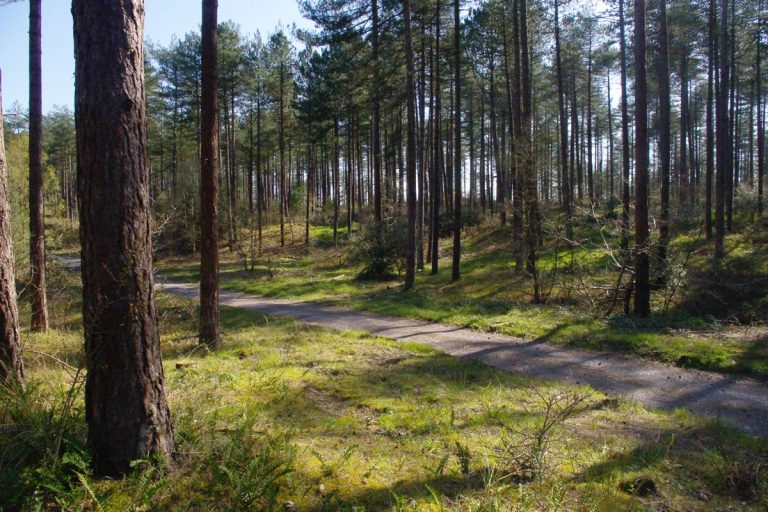
Natural Resources Wales confirms that the area includes the remains of a First World War ammunition factory and a waymarked trail on sections of former railway track. Trees were planted largely between 1929 and 1954. Nearby Pembrey Country Park has interpretation of its Royal Ordnance Factory heritage, including its Second World War history.
There is real historical substance to explore without inventing unverified casualties or ghosts. Plan your walk using the official Pembrey Forest visitor information, including parking and marked trails.
3. Ballyboley Forest, County Antrim — Northern Ireland’s haunted woodland legend
Ballyboley Forest near Ballyclare and Larne is often described as one of Northern Ireland’s most haunted forests. Accounts include hooded figures, a dark mist, strange voices and stories of ancient rituals. These are reported tales and tour folklore, not an independently verified archaeological or missing-persons record.
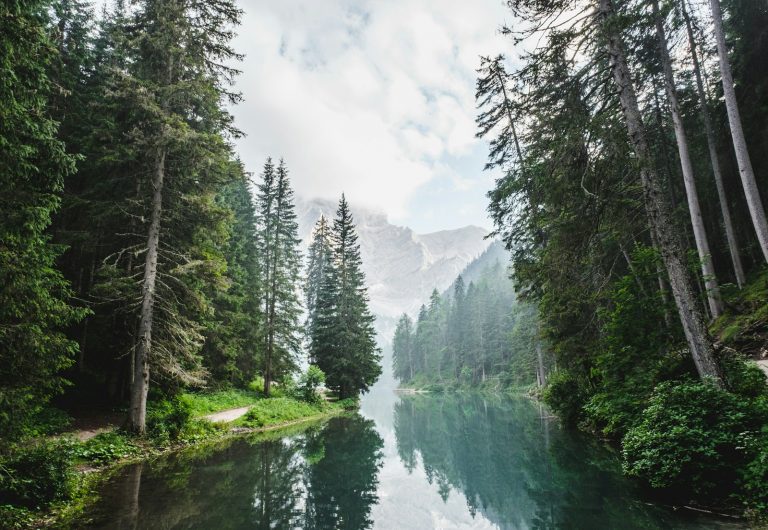
An Irish News feature published in May 2026 discusses these accounts with a paranormal tour guide and describes the substantial effects of larch disease. The trees were originally planted in 1957, and disease-related felling has changed the landscape. Claims that dozens of people mysteriously disappeared here should not be repeated as confirmed events without police or historical documentation.
If you visit, check current access and forestry notices. A forest undergoing regeneration may have disrupted tracks, work areas or temporary closures. Do not enter off-limits planting or felling zones in pursuit of a legend.
4. Wychwood Forest, Oxfordshire — the White Lady tradition
Wychwood is an important area of ancient semi-natural woodland in Oxfordshire. Local ghost stories often feature a White Lady and other spectral figures encountered among the trees. Versions vary considerably, and elaborate predictions or curses attributed to the White Lady are not established historical fact.

What can be checked is the woodland itself: the Woodland Trust listing describes Wychwood as one of Oxfordshire’s larger ancient semi-natural broadleaved woodlands. Access varies around this broader landscape, so check designated routes, land ownership and any restrictions before setting out.
For readers interested in witches and older English traditions, our Burley witches village guide explores a different kind of woodland-linked folklore in the New Forest. For another strand of woodland folklore, our fairy traditions and Cottingley photographs guide distinguishes natural fairy rings from supernatural stories.
5. Dering Wood, Kent — the ‘Screaming Woods’
Dering Wood near Pluckley is widely nicknamed the Screaming Woods, with modern stories about cries, shadowy walkers and unsettling nighttime sounds. Its association with Pluckley’s many ghost legends helps explain why it appears regularly in haunted-place lists.
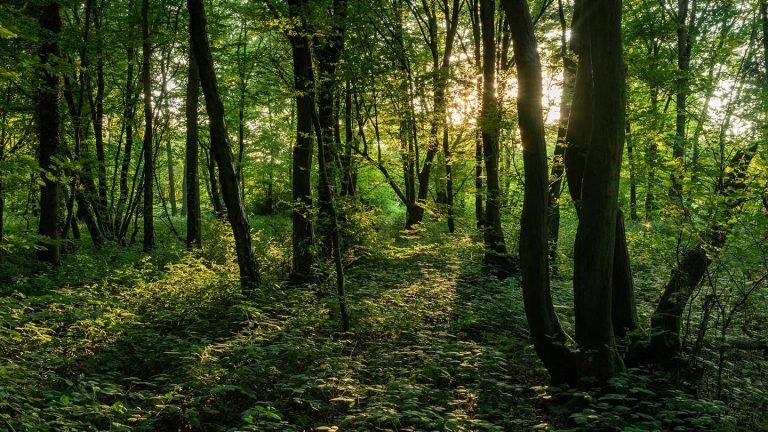
The Woodland Trust describes a 125-hectare ancient semi-natural woodland with public access and waymarked paths. It is rich in birds, plants and other wildlife. Tales of ghostly screams do not demonstrate that an actual historical tragedy occurred at a particular tree or path.
In windy conditions, shifting branches, animal calls and sounds travelling through dense vegetation can be difficult to locate. That does not erase the appeal of the stories; it simply keeps the evidence in perspective.
6. Epping Forest, London and Essex — highwaymen and phantom hounds
Epping Forest stretches from east London into Essex and has a longstanding connection with highwayman tales, particularly those involving Dick Turpin. Reports of phantom hounds, figures in the trees and travellers losing their way form part of its spooky reputation. Specific supernatural sightings remain unverified.
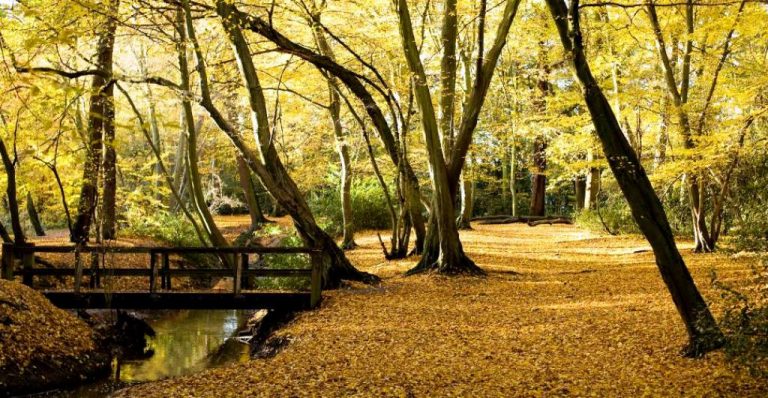
Unlike a remote private estate, Epping Forest is a major public green space managed by the City of London Corporation. Its extensive network of walking routes means you can experience a dramatic natural setting without entering unsafe or prohibited areas. Use the official Epping Forest website for maps, access and local rules.
Why do woods attract ghost stories?
Forests alter how we perceive space and sound. Trees obscure landmarks, fog reduces visibility and the ground can absorb footsteps while distant noises echo unpredictably. Darkness can also make ordinary objects resemble people. Against a background of old roads, quarries, military sites and legends, these conditions naturally create powerful ghost stories. British woodland and roadside traditions also feature supernatural animals, including the Black Shuck and Barghest ghost-dog legends.
That is one reason it helps to distinguish three things: documented history, traditional folklore and an individual visitor’s recent report. A documented military site is not evidence of a haunting; a persistent local legend is not a witnessed event; and an experience can feel real without its cause being identified.
How to explore haunted woods safely
Choose established public footpaths, check daylight and weather, carry a charged phone and suitable map, and tell someone your route. Never enter quarries, bunkers, unstable ruins or fenced forestry work areas. Respect wildlife, seasonal restrictions and other visitors. A ghost hunt should not put you or anyone else at risk.
If recording a strange sound or taking photographs, log environmental conditions and compare recordings with known animal calls, traffic, wind or equipment artefacts. Our night vision camera guide explains important limitations of nighttime equipment.
Frequently asked questions
Which UK forest is said to be the most haunted?
There is no objective measurement of haunting. Ballyboley, Dering Wood and Wychwood appear often in ghost-tour accounts, while Wenlock Edge has folklore also recognised by the National Trust.
Can you visit Dering Wood?
Yes, the Woodland Trust lists public access and waymarked paths. Follow its current guidance and leave wildlife habitats undisturbed.
Are the Ballyboley disappearances real?
Claims about large numbers of missing people circulate in retellings, but we have not found independent records establishing those numbers. They should be labelled folklore rather than fact.
Where can I find reliable woodland walking routes?
The National Trust, Woodland Trust, Natural Resources Wales and local land managers provide official access information for many of these forests.
Final verdict
Britain’s haunted woods are best explored as places where folklore, local history and nature overlap. Wenlock Edge has documented traditional legends; Pembrey has genuine wartime remains; Dering Wood and Epping Forest have established public trails. Appreciate their stories without presenting unverified hauntings as facts, and always plan a safe daytime visit first.