

Where are the most atmospheric and supposedly haunted places in the Peak District? For a memorable journey through the region’s darker stories, start with Winnats Pass, Peveril Castle and Peak Cavern near Castleton, then explore the plague history of Eyam and the long-established legends surrounding Chatsworth House. These are genuine places with fascinating heritage; reports of ghosts are folklore and personal testimony rather than established evidence of the supernatural.
The Peak District is famous for gritstone edges, limestone valleys and picturesque villages, but it is also a landscape of haunting stories. This guide combines the documented history with the legends, suggests ways to plan a visit and explains which locations are accessible. It is written for curious travellers, folklore enthusiasts and paranormal investigators who value reliable information as much as a chilling tale.
For haunted-history ideas beyond the Peak District, our interactive haunted places map connects other sites with detailed articles.
Affiliate disclosure: Mystic Realm Blog may earn a commission from qualifying purchases or bookings through selected links, at no additional cost to you. We distinguish these from independent heritage and visitor information.
Quick guide: haunted places in the Peak District
- Best for dramatic folklore: Winnats Pass near Castleton, with its tragic lovers and phantom-coach stories.
- Best historic ruin: Peveril Castle, although English Heritage currently lists the castle as closed until March 2027.
- Best underground experience: Peak Cavern, whose real history as a ropemaking workplace is as compelling as its ominous nickname.
- Best for a moving historical visit: Eyam, the village associated with the devastating plague of 1665–66.
- Best grand country-house visit: Chatsworth House, where the historical setting often attracts its own ghost stories.
Visitor hours, access and tours change. Information below was checked in November 2026; follow the linked official websites before travelling. If your interest is broader than the Peak District, you may also like our haunted York locations guide or our guide to haunted woods and forests in the UK.
1. Winnats Pass: murder legend and the phantom coach
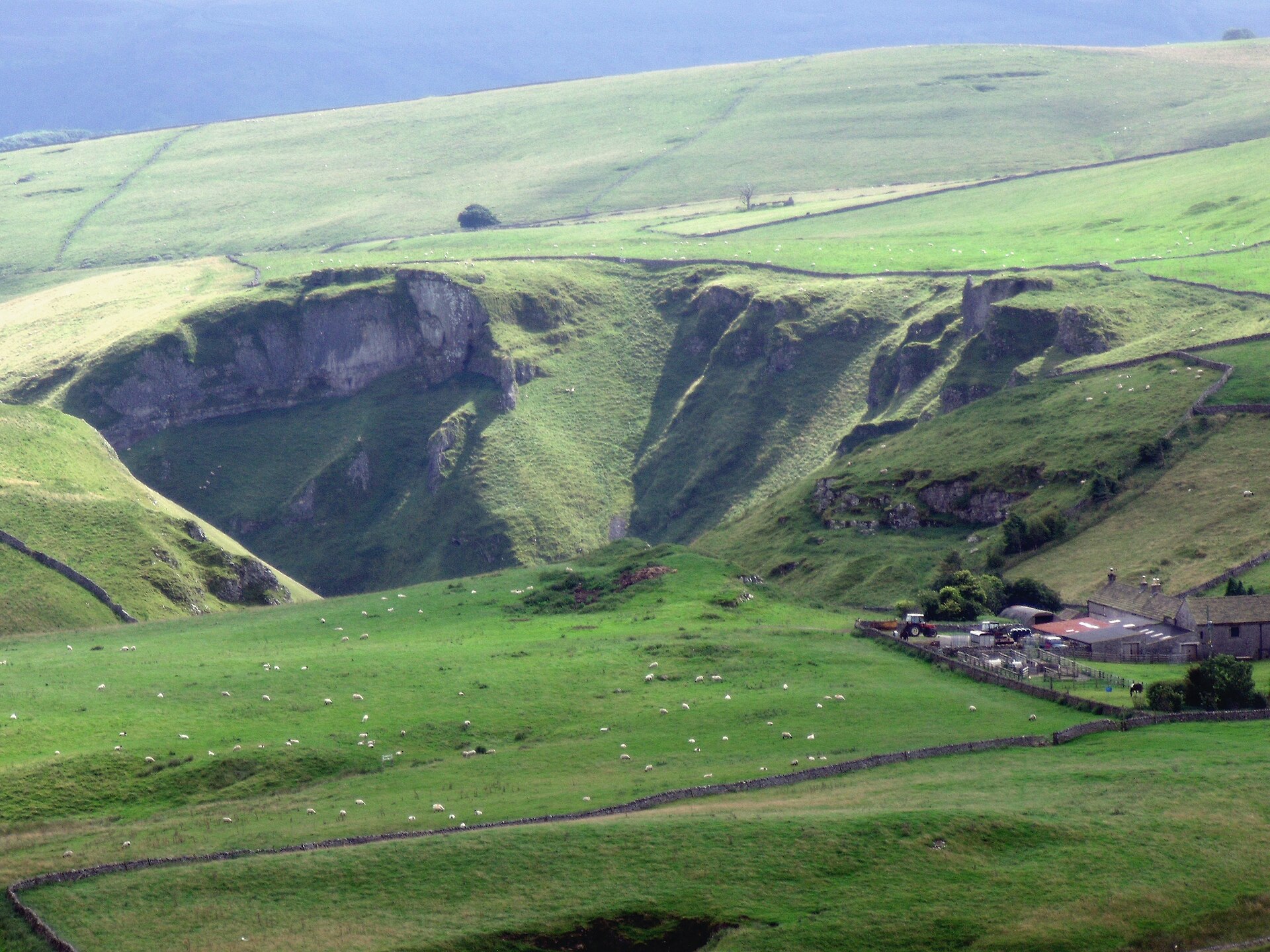
Winnats Pass cuts through steep limestone slopes just outside Castleton. On a bright day it is spectacular; in low cloud and fading light, its narrowing road and towering rock faces can feel remarkably isolated. The setting makes it easy to understand why unsettling tales became attached to it.
The best-known story tells of two lovers, commonly called Allan and Clara, who were travelling to marry at Peak Forest Chapel. In versions of the legend, local miners attacked the pair, stole their money and hid their bodies. A spectral coach, unexplained sounds or the presence of the young woman are sometimes added as supernatural endings. These details vary between retellings and should not be taken as proof that the events occurred exactly as described.
Researcher Mark Henderson examined the changing versions in a study published in the journal Folklore in 2010. His research shows how the story evolved over more than two centuries. That makes Winnats Pass interesting not simply as a ghost story, but as an example of how a landscape can acquire and preserve a local legend.
How to visit Winnats Pass
You can experience the scenery from public roads and established walking routes around Castleton and Mam Tor. The road is narrow in places, there are steep slopes and traffic can move quickly. Do not stop in unsafe roadside locations, enter private land or attempt a night-time investigation without permission. Fog, rain, ice and poor visibility make the route significantly more hazardous.
For background, see Castleton Historical Society’s account of the legend and Henderson’s folklore study.
2. Peveril Castle: a Norman fortress above Castleton
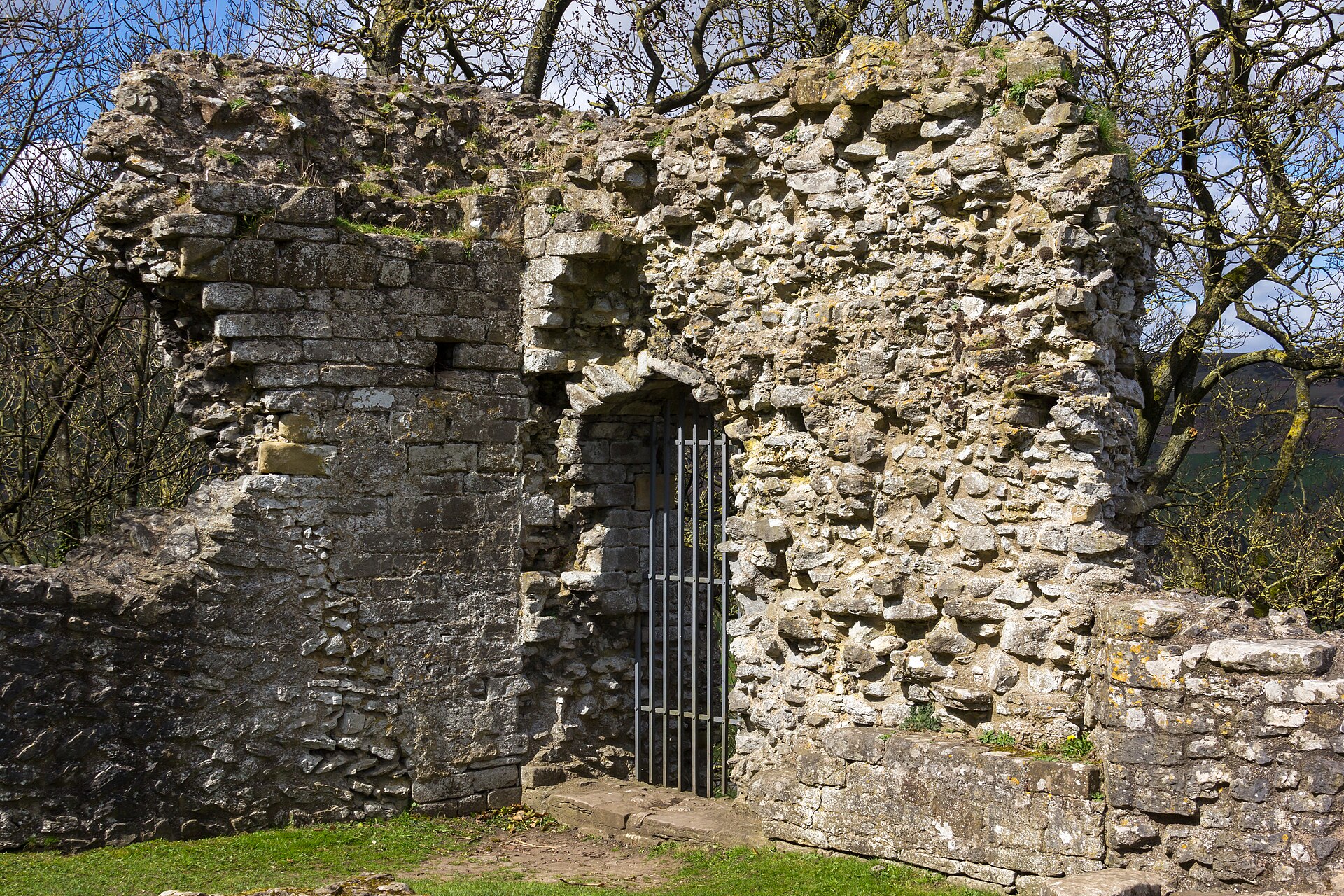
Peveril Castle overlooks Castleton from a commanding limestone ridge. Its story begins with Norman power rather than ghosts. William Peverel, associated with William the Conqueror’s rule, established a castle here after the conquest; the striking surviving keep was added under Henry II in the twelfth century. Its position over Cave Dale and Peak Cavern Gorge made it a remarkable defensive site.
Ghost-tour retellings sometimes describe disembodied footsteps, a former custodian or figures moving around the ruins. These are reported stories rather than verified incidents. What is firmly established is the castle’s architectural significance, its connection with Norman rule and the dramatic terrain that shaped its history.
Important visitor update: English Heritage currently says Peveril Castle is closed until March 2027. Do not promise paid admission or access to the interior during that closure. Castleton and nearby permitted walking routes remain worthwhile in their own right, but check current rights of way and any restrictions.
The approach to the castle involves a steep climb; suitable footwear is essential. Visitors with mobility needs should consult the Peak District National Park’s accessible Castleton guidance before choosing a route.
3. Peak Cavern: the Devil’s Arse and the people who lived underground
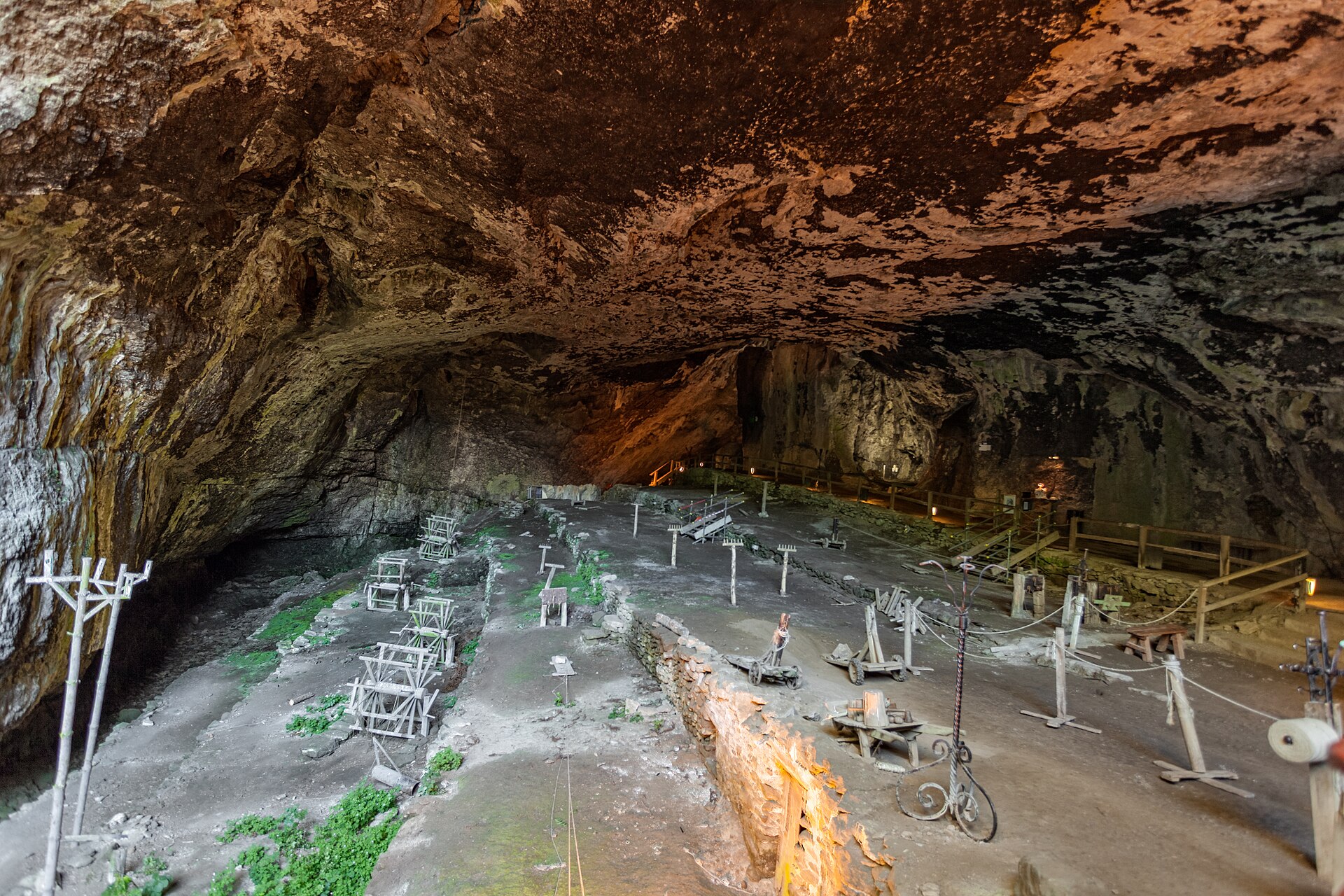
Peak Cavern is sometimes marketed under its longstanding nickname, the “Devil’s Arse”. The vast cave mouth is one of the most memorable sights in Castleton. Its atmosphere comes partly from a true human story: for centuries, families worked in the entrance chamber making rope for nearby lead mines. The cave was a workplace and community, not merely a stage set for spooky entertainment.
The guided tour explores the immense entrance, underground spaces and unusual acoustics. Stories about shadowy figures and strange sounds circulate in paranormal accounts, but echoes, moving water, darkness and visitor expectations all offer ordinary explanations for unnerving experiences. Those natural effects can be interesting without declaring them supernatural.
The official Peak Cavern website advertises guided tours and gives its current opening arrangements. Its visitor guidance notes uneven or damp floors, a low passage where visitors must bend and cool temperatures of about 9°C. Tours are not fully wheelchair accessible beyond the entrance. Check ahead if stairs, enclosed spaces or low ceilings are a concern.
Castleton also has Speedwell Cavern, Treak Cliff Cavern and Blue John Cavern; each offers a different underground experience and has different access considerations. If you want one compact trip with an unusually strong combination of geology, history and folklore, Castleton is an excellent base.
4. Eyam: the plague village and stories that followed
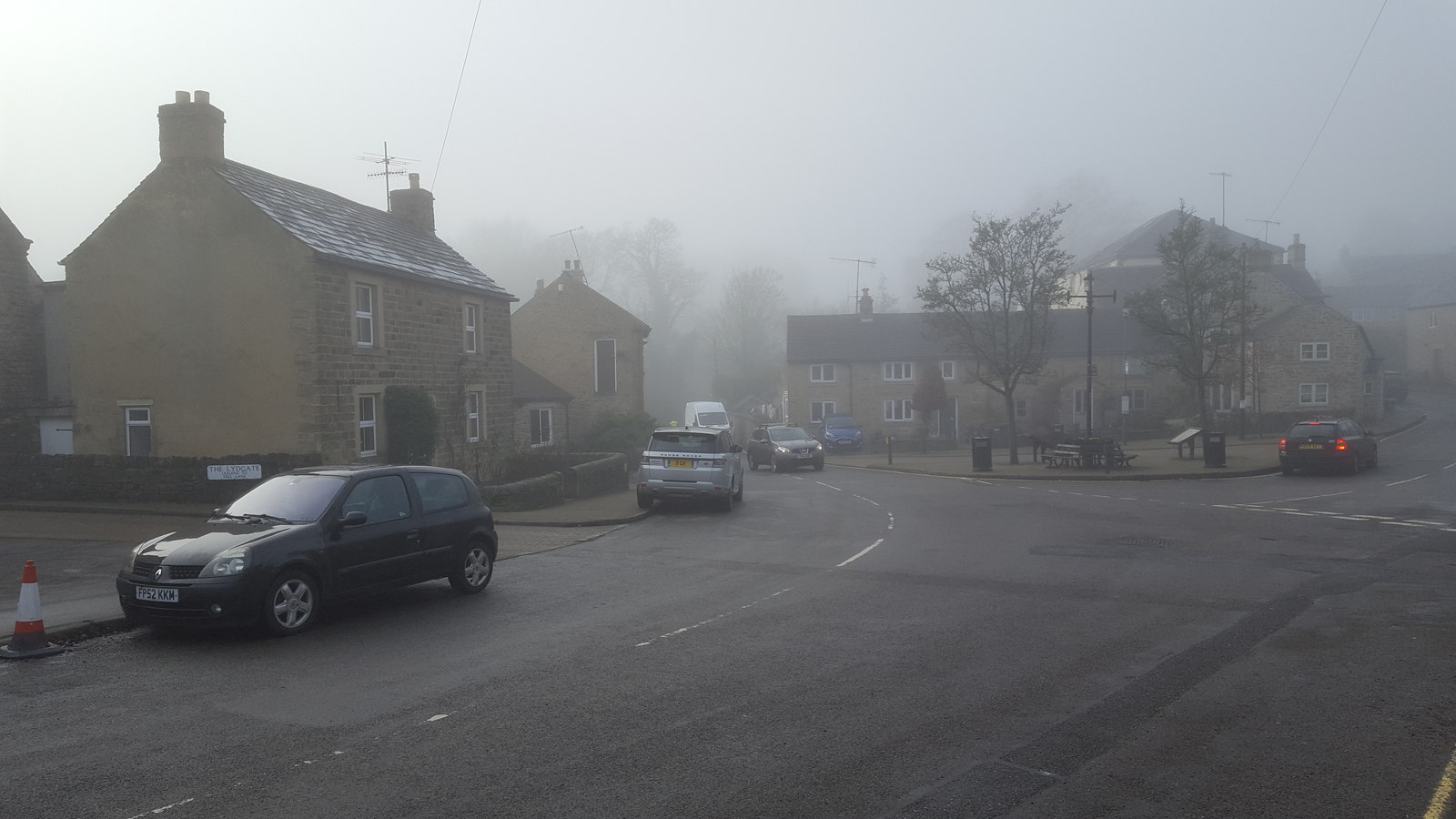
Eyam’s most haunting history is real. After plague reached the village in 1665, local people took extraordinary steps to reduce contact with surrounding communities. Many died during the outbreak of 1665–66. The surviving records and graves make a visit here deeply moving without any need to embellish it with unverified ghost sightings.
The plague cottages, churchyard, village monuments and graves around Eyam are places of remembrance. The stories of families, clergy and neighbours also raise questions about collective responsibility, fear and survival. The precise circumstances of some events have been re-examined by historians, so simplistic tales should be treated cautiously.
The Eyam Museum uses parish records, wills and historical documents to explain the outbreak. Historic England also documents the Riley Graves, associated with members of the Hancock family. Treat graves and memorials with respect; this is a village where people live, not a themed horror attraction.
5. Chatsworth House: aristocratic history and ghostly traditions
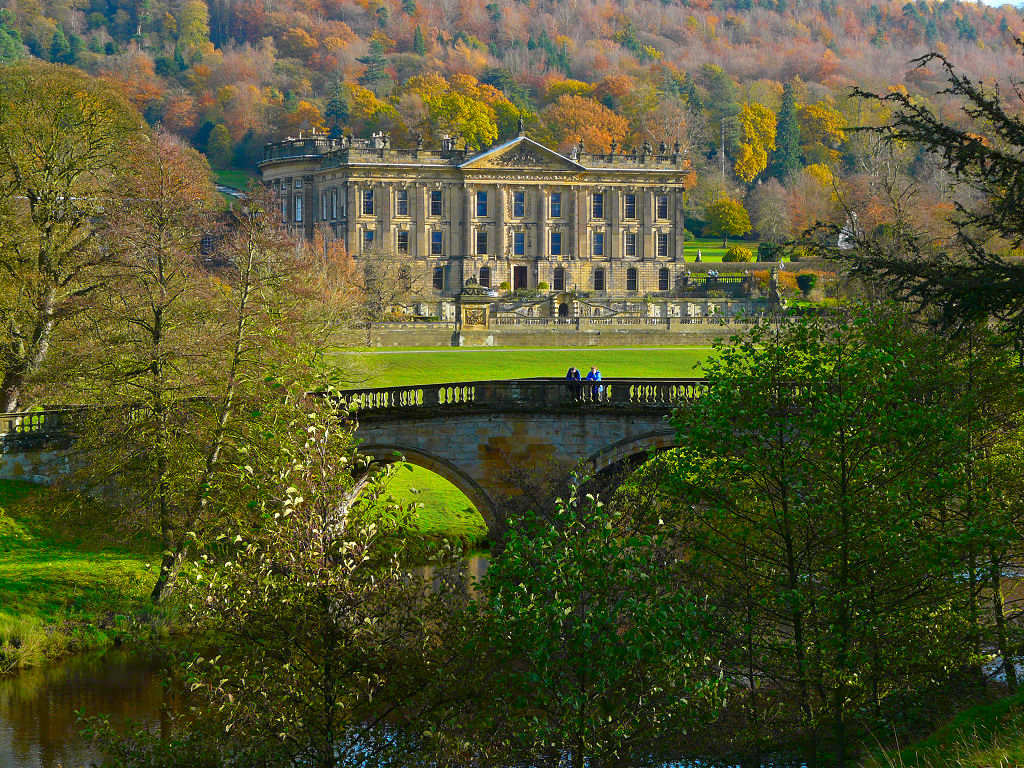
Chatsworth House, near Bakewell, is best known for the Cavendish family, its art collection, architecture and landscaped estate. The grand interiors and layers of history have also encouraged tales of mysterious figures, apparitions and nighttime sounds. These are best introduced as local stories unless a specific historical source can be cited.
The house’s real historical connections are substantial. Its links to Bess of Hardwick and the imprisonment of Mary, Queen of Scots, under the custody arrangements of the period provide plenty of material for a thoughtful account. A claim that Mary’s ghost has been positively identified in a corridor, however, is a very different proposition and should not be written as fact.
For practical information, use the official Chatsworth visitor FAQs. The house, garden and farmyard generally operate seasonally, and booking a timed house entry in advance is recommended. Check what is open on your chosen date rather than relying on a generic ticket advert.
If a suitable ticket is available through our Chatsworth ticket partner (affiliate link), compare the description and inclusions with the official Chatsworth booking page before purchasing.
Planning a haunted Peak District itinerary
One day: Castleton and the limestone landscape
Start in Castleton, where the visitor centre and cafés make it easy to plan. Walk an appropriate route towards Peak Cavern, take a pre-booked cave tour if available and leave time to view the surrounding limestone scenery. If conditions allow, explore a permitted viewpoint near Winnats Pass or Mam Tor. Do not plan on entering Peveril Castle until its official closure has ended.
Two days: add Eyam or Chatsworth
On the second day, choose Eyam for a reflective journey through plague history or Chatsworth for an architectural and garden visit. Both reward time spent reading the interpretation rather than racing between photo stops. If you have a car, avoid trying to squeeze in every destination: rural roads and seasonal opening times can make a packed itinerary frustrating.
A note for paranormal investigators
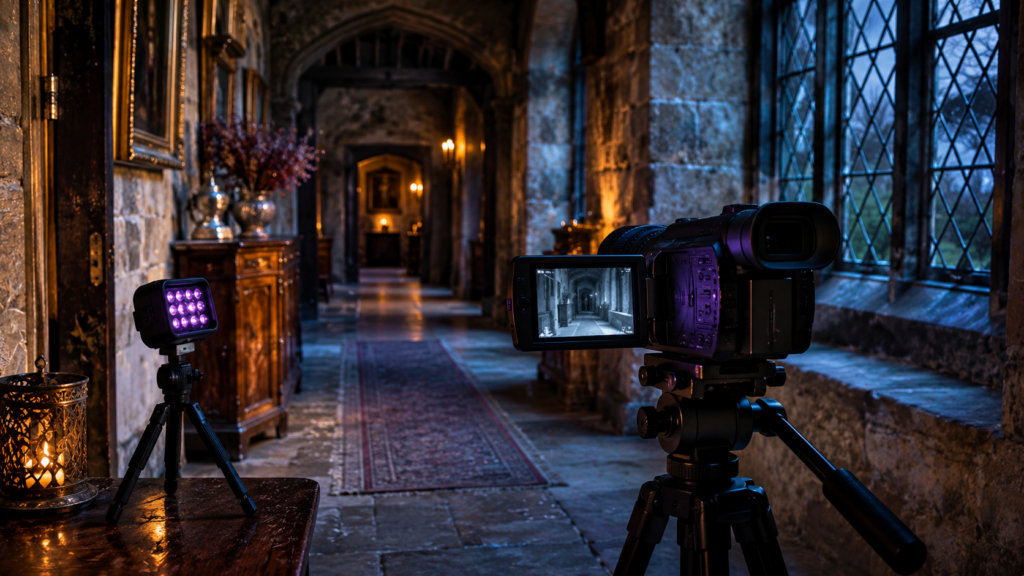
Never treat open countryside, churchyards, caves or closed heritage buildings as unrestricted investigation sites. Obtain explicit permission for organised investigations, photography equipment and after-dark access where required. Pack practical basics from our ghost hunting equipment checklist; a charged phone, torch, warm clothing and attention to terrain matter more than expensive electronics.
Frequently asked questions
What is the most haunted place in the Peak District?
There is no objective way to rank hauntings. Winnats Pass is especially famous for its lovers’ legend, while Peak Cavern and Peveril Castle offer dramatic settings that invite ghost stories. Eyam is more valuable as a documented historical site than as evidence of supernatural activity.
Can you visit Peveril Castle in late 2026?
English Heritage lists it as closed until March 2027. You may still be able to enjoy views from legal public routes, subject to local conditions. Check its official page before travelling.
Are any Peak District caves haunted?
Stories circulate about figures and sounds in caverns, but no cave’s supernatural activity has been scientifically established. The geology, waterways, acoustics and mining history are fascinating in their own right.
Is the Peak District good for a spooky weekend?
Yes, particularly for visitors who enjoy folklore alongside walks, museums, caves and historic buildings. Castleton is a good first base; Eyam and Chatsworth make complementary daytime trips.
Final verdict: history first, haunting stories alongside it
The Peak District’s appeal is not that it guarantees a ghostly encounter. It is the unusual combination of dramatic scenery, genuine historical tragedy, working communities and folklore passed between generations. For a first visit, focus on Castleton, Winnats Pass and Peak Cavern; add Eyam if you want deeper history. See our Devil’s Chair guide for another atmospheric British landscape where natural geology and supernatural legend meet.
Sources and further reading
- English Heritage — Peveril Castle and current closure
- Peak District National Park — accessible Castleton
- Peak Cavern — official tours and visitor advice
- Eyam Museum — historical records and visitor information
- Chatsworth House — official visitor FAQs
- Mark Henderson (2010) — Winnats Pass legend, Folklore journal