


Ghost ships are vessels associated with unexplained disappearances or supernatural maritime legends. The Mary Celeste and Carroll A. Deering were real ships found without their crews, while the Flying Dutchman is folklore and the SS Ourang Medan lacks reliable evidence that the ship even existed. They are fascinating stories, but not proof of ocean-going spirits.
Not every story involving an impossible ship takes place at sea: the medieval Irish account explored in Ships in the Clouds describes a vessel seen overhead, showing how unusual maritime imagery also appears in historic sky folklore.
This guide separates documentary maritime mysteries from fictional or disputed accounts and explains what may have happened. If you enjoy exploring historic vessels rather than just reading about them, our haunted California guide includes visits associated with the RMS Queen Mary, while our Sacramento ghost tour guide discusses the Delta King riverboat.
Quick answer: what are the most famous ghost ships?
Four famous examples are the Flying Dutchman, Mary Celeste, SS Ourang Medan and Carroll A. Deering. They belong to different categories: the Flying Dutchman is a cursed phantom-ship legend, the Mary Celeste and Deering are documented abandoned-vessel mysteries, and the Ourang Medan story is unverified with no clear shipping-register record.
1. The Flying Dutchman — a ship condemned to sail forever
The Flying Dutchman is one of the most enduring supernatural stories at sea. Traditional versions describe a Dutch captain who defies a storm near the Cape of Good Hope and is condemned to sail without reaching port. Sailors supposedly see the vessel as a warning of danger or death.
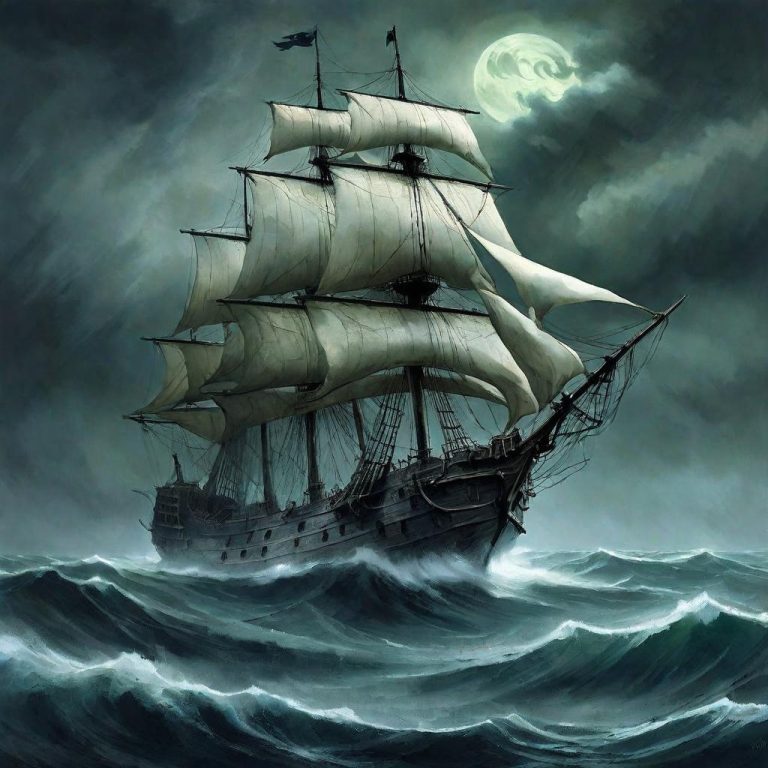
Names, curses and details vary between versions. The captain is sometimes called Van der Decken, but these are features of literary and oral tradition rather than the records of an identified voyage with a demonstrable supernatural end.
The story became widely known through seafaring accounts, fiction, music and popular culture. Its power lies partly in the dangers of historical navigation around southern Africa: dense fog, extreme weather and difficult visibility could help strange sightings develop into legends.
Could sailors really see a ship above the sea?
A superior mirage, sometimes including an optical phenomenon called Fata Morgana, can distort or elevate the image of a distant ship when layers of air have different temperatures. Such effects are a plausible explanation for some seemingly floating vessels, but we cannot retroactively demonstrate what caused a particular centuries-old report.
An unusual sighting should be recorded with conditions, direction, visibility and a known reference rather than automatically labelled supernatural. Atmospheric optical effects are interesting in their own right.
2. Mary Celeste — a real ship found abandoned in 1872
The American merchant brigantine Mary Celeste departed New York for Italy in November 1872, carrying a cargo of industrial alcohol. In early December she was discovered sailing without anyone on board near the Azores. Her captain, Benjamin Briggs, his family and the sailors were missing.
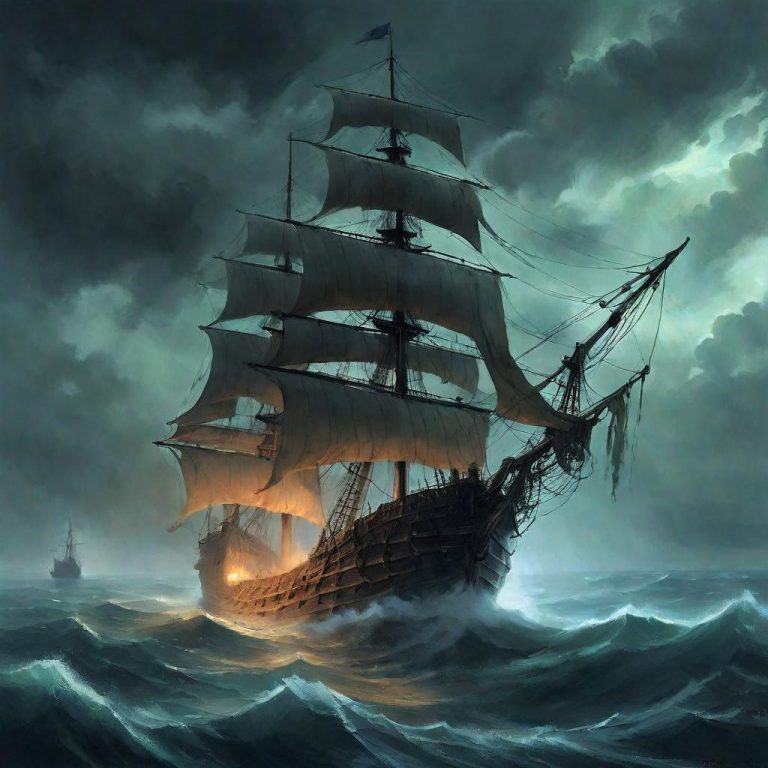
The vessel was damaged but still seaworthy, with food and stores on board. The ship’s boat was gone, which suggests people may have deliberately or urgently left the vessel rather than simply vanished. Contemporary salvage proceedings investigated the circumstances, but no confirmed final explanation for the disappearance emerged.
The HISTORY account of the case discusses the physical evidence and later theories, including concern about fumes, rough weather, pump problems or a mistaken belief that the ship was unsafe. No theory has definitively accounted for every detail.
Did the Mary Celeste crew disappear because of ghosts?
There is no evidence that a ghost caused their disappearance. The label ‘ghost ship’ originally describes an empty or apparently uncontrolled vessel, not necessarily one inhabited by spirits. Novels, films and retellings have made the Mary Celeste seem more supernatural than the contemporary maritime record demonstrates.
The fact that a mystery remains unresolved should not be confused with confirmation of a paranormal explanation. Remember that the crew would have faced real hazards if their boat separated from the vessel in open water.
3. SS Ourang Medan — perhaps a maritime urban legend
The SS Ourang Medan is said to have been a Dutch merchant ship found with its crew dead after a mysterious distress call in the 1940s. The popular version includes a chilling final radio message, frozen expressions of terror and an explosion that destroyed the evidence before the rescuers could investigate.
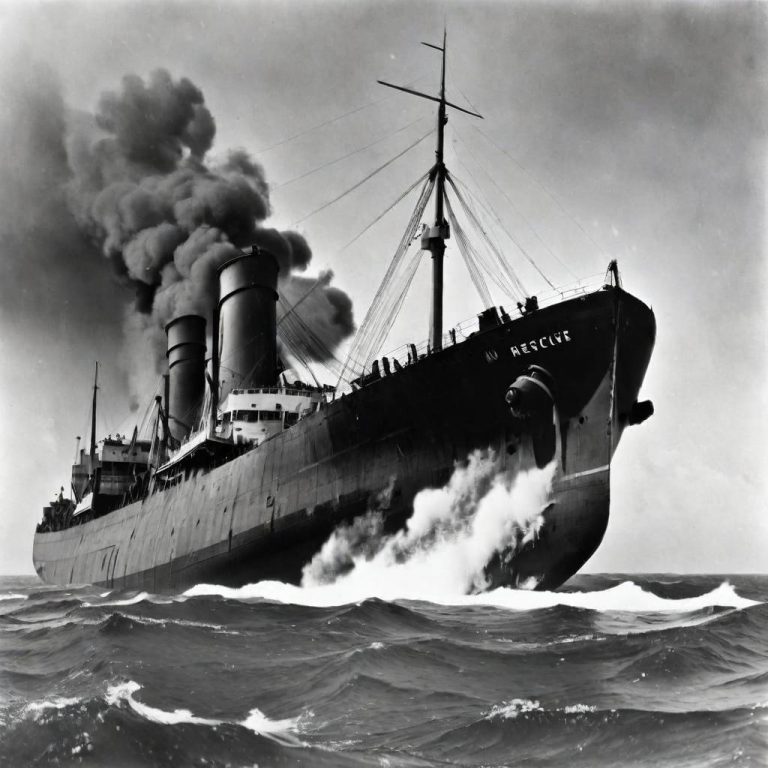
There is a major problem with the story: researchers have not found a secure ship-registration record, crew list, contemporary rescue report or wreck record. Versions differ in date and location, and the narrative was appearing in print by the early 1940s in forms that do not match the later alleged timeline.
Maritime researchers have questioned the account for years. For a clear critical overview, see YACHT’s 2026 examination of the missing registry evidence. Proposed explanations involving poisonous gas, illicit cargo or secret weapons remain theories about a story whose basic vessel identification is unverified.
Was the SS Ourang Medan a hoax?
It is safest to call it an unsubstantiated maritime legend, often regarded as an urban legend, rather than asserting a secret disaster happened. A later magazine or Coast Guard newsletter repeating a tale is not the same as an original Coast Guard investigation confirming an incident.
The distinction makes the story more useful as an example of how repetition can give an unsupported claim the appearance of a documented historical event.
4. Carroll A. Deering — the real ghost ship of Cape Hatteras
The Carroll A. Deering was a five-masted commercial schooner that ran aground off Cape Hatteras, North Carolina, on 31 January 1921. Coast Guardsmen found the vessel abandoned, with lifeboats and important navigational materials missing. The crew’s fate was never established. For a fictional maritime connection, our Dracula and vampire folklore guide explains how Bram Stoker imagined the Demeter reaching Whitby.
Unlike the Ourang Medan, the Deering is richly documented. The US National Park Service history reconstructs the sightings before the wreck, the boarding attempts and the subsequent investigation. It also records that a sensational note found in a bottle and initially linked to pirates was eventually exposed as a hoax.
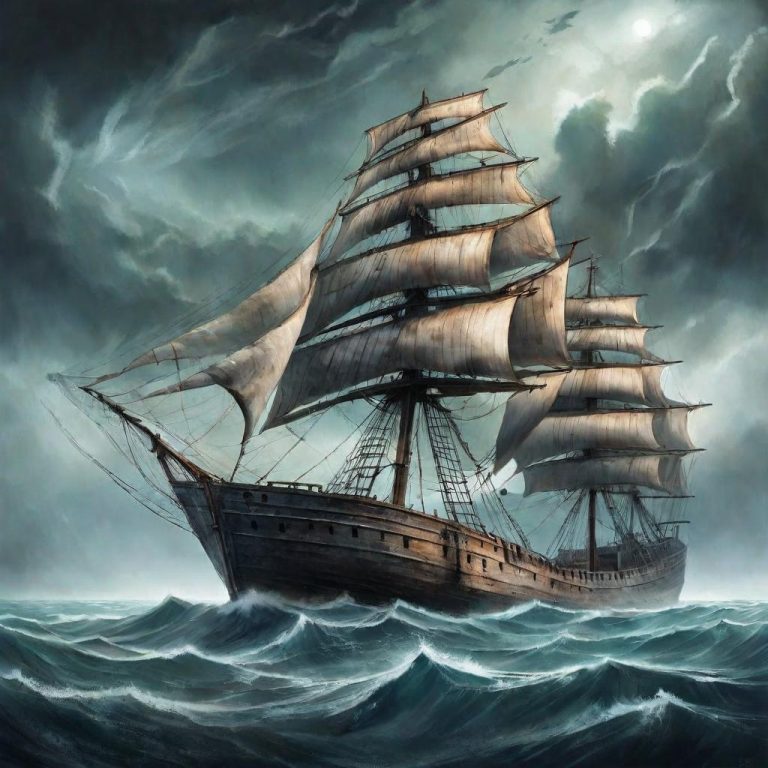
Theories include abandonment due to bad weather, navigation trouble, mutiny or crime, but there is no confirmed resolution. The cause of the loss does not need a supernatural explanation to remain an enduring mystery.
Is the Carroll A. Deering part of the Bermuda Triangle?
Some retellings link it to the Bermuda Triangle, but the wreck site at Cape Hatteras is outside the best-known boundaries used for that folklore. The National Park Service investigation account gives a more grounded picture of a challenging shoal and the unanswered fate of a crew. Do not substitute a loosely defined mystery region for the actual navigational history.
Ghost ships compared: legend or documented case?
| Ship | Historical status | What remains unexplained? |
|---|---|---|
| Flying Dutchman | Folklore | Origins and changing versions of the legend |
| Mary Celeste | Real vessel, 1872 | Why the people abandoned it and what happened afterward |
| SS Ourang Medan | Unverified ship | Origin of the story and why records are lacking |
| Carroll A. Deering | Real vessel, 1921 | Fate of its missing crew |
Can you visit a famous ‘haunted’ ship today?
These four ships themselves are not bookable ghost-tour attractions. The Mary Celeste and Deering are long gone, the Flying Dutchman is mythical and the Ourang Medan is unverified. But some surviving historic ships offer ordinary heritage visits and ghost-themed experiences.
The RMS Queen Mary in Long Beach, California, is one example, with hotel accommodation and historic or paranormal-themed tours at selected times. Our California haunted-sites guide covers visitor options. The Delta King in Sacramento is another historic riverboat associated with ghost folklore; see our Old Sacramento visitor guide for official bookings.
Why do ghost-ship stories persist?
The sea hides evidence. Shipwrecks can scatter remains, storms can erase tracks and missing logs can prevent investigators from reconstructing what happened. Separately, changing weather, horizon effects and fatigue create dramatic experiences that become oral history. That combination makes maritime stories powerful even without spirits.
For more supernatural landscape legends, compare our haunted woods article, where sounds, low light and remembered history also play important roles in storytelling.
Frequently asked questions
Which ghost ship was found without its crew in 1872?
The Mary Celeste was discovered near the Azores in December 1872 with its people missing and its small boat gone.
Did the Flying Dutchman really exist?
The cursed phantom ship is a legend; no uniquely identifiable historical voyage establishes the supernatural version.
Was the Ourang Medan an actual ship?
No reliable registration or original incident record has been found. The sensational story should not be presented as documented fact.
Was the Carroll A. Deering a real ship?
Yes. It ran aground at Cape Hatteras in January 1921, and the crew’s fate remains unknown.
Final verdict
The best ghost-ship stories are those that distinguish a real human mystery from a literary legend. Mary Celeste and Carroll A. Deering deserve historical attention; the Flying Dutchman is an iconic folktale; the Ourang Medan is an example of claims that spread without primary records. None establishes the existence of ghosts.