

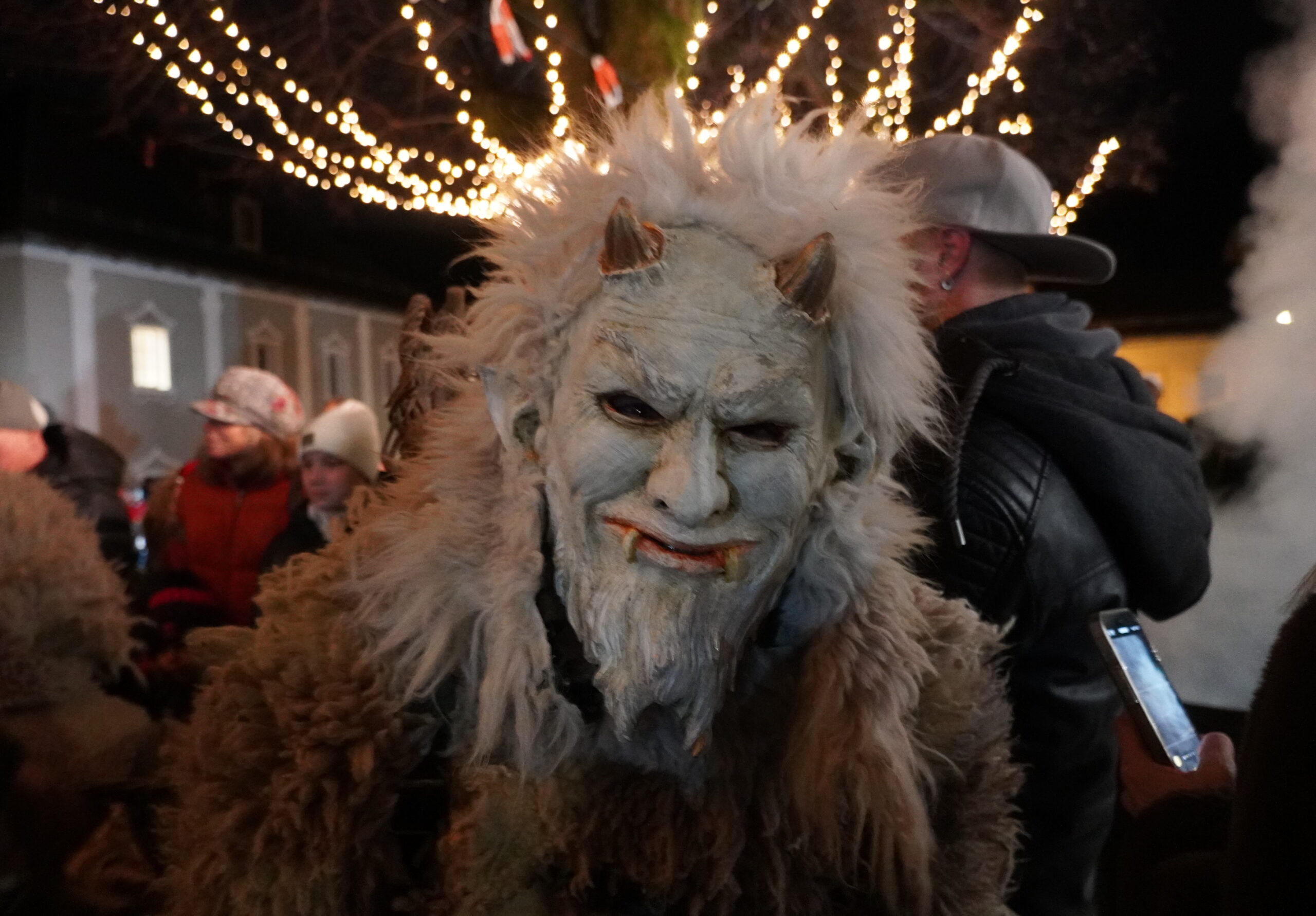
Krampusnacht is the night of 5 December when horned, fur-clad Krampus figures appear in Alpine winter traditions, especially in Austria, ahead of St Nicholas Day. The costumes look like demons from a nightmare, but these are human performers taking part in living regional customs, not eyewitness evidence for a supernatural creature.
Quick Answer: What Is Krampusnacht?
Krampusnacht means ‘Krampus Night’. The evening of 5 December is associated with Krampus, a frightening companion to St Nicholas in Austrian and nearby regional customs. Costumed performers may join a Krampuslauf, a parade or run with masks and bells. Practices vary greatly by locality.
When Is Krampusnacht in 2026?
The traditional date is Saturday 5 December 2026, before St Nicholas Day on Sunday 6 December. Individual towns may organise parades on other dates in late November and December. Always check official local information rather than assuming an event follows the traditional date.
Austria Tourism explains how the two figures are associated with the December festive season. St Nicholas is linked with giving children treats, while Krampus acts as a noisy and frightening counterpart. Their roles can be theatrical and symbolic rather than literal promises of reward and punishment. See Austria Tourism’s guide to winter customs.
What Does a Traditional Krampus Look Like?
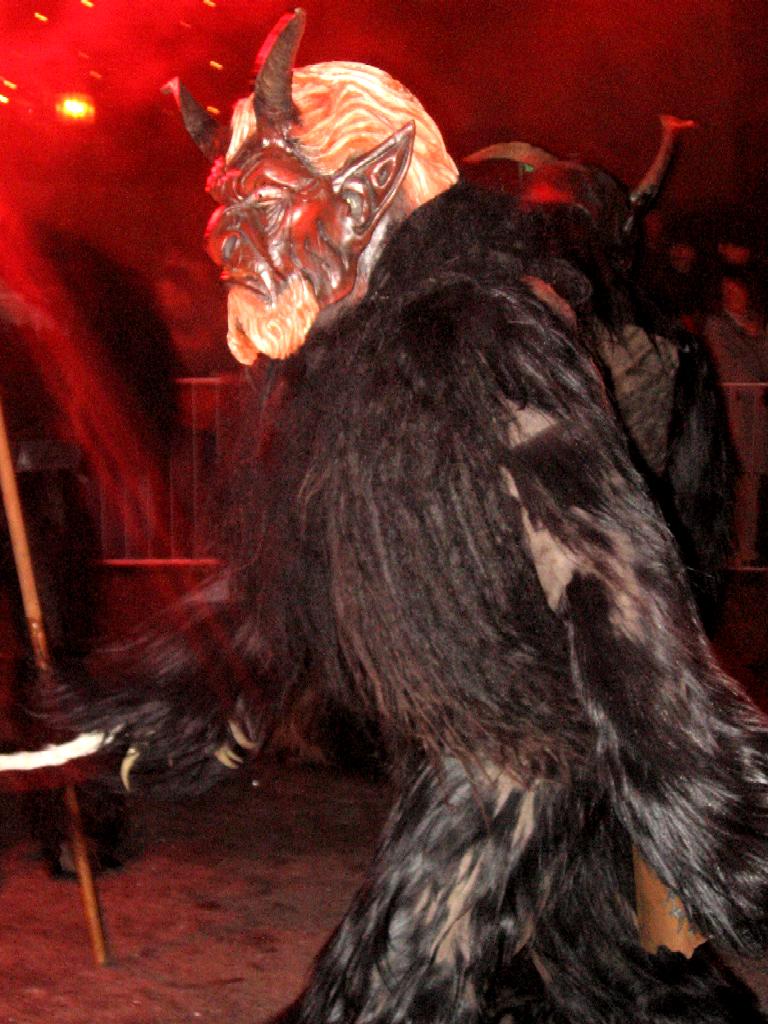
Masks may have dramatic horns, a snarling face, thick fur, bells, chains and sometimes birch twigs. Skilled craftspeople make some of the carved wooden masks that make local parades visually distinctive. There is no single universally correct costume. A performer in one valley may look quite different from the figure in a town several hours away.
It is the sound and movement of a gathering that often creates the strongest atmosphere. Bells ring, figures run or stamp, spectators react, and St Nicholas may join the group. A contemporary procession makes sense as community theatre, even when the costumes are deliberately unsettling.
Why Is Krampus Paired with St Nicholas?
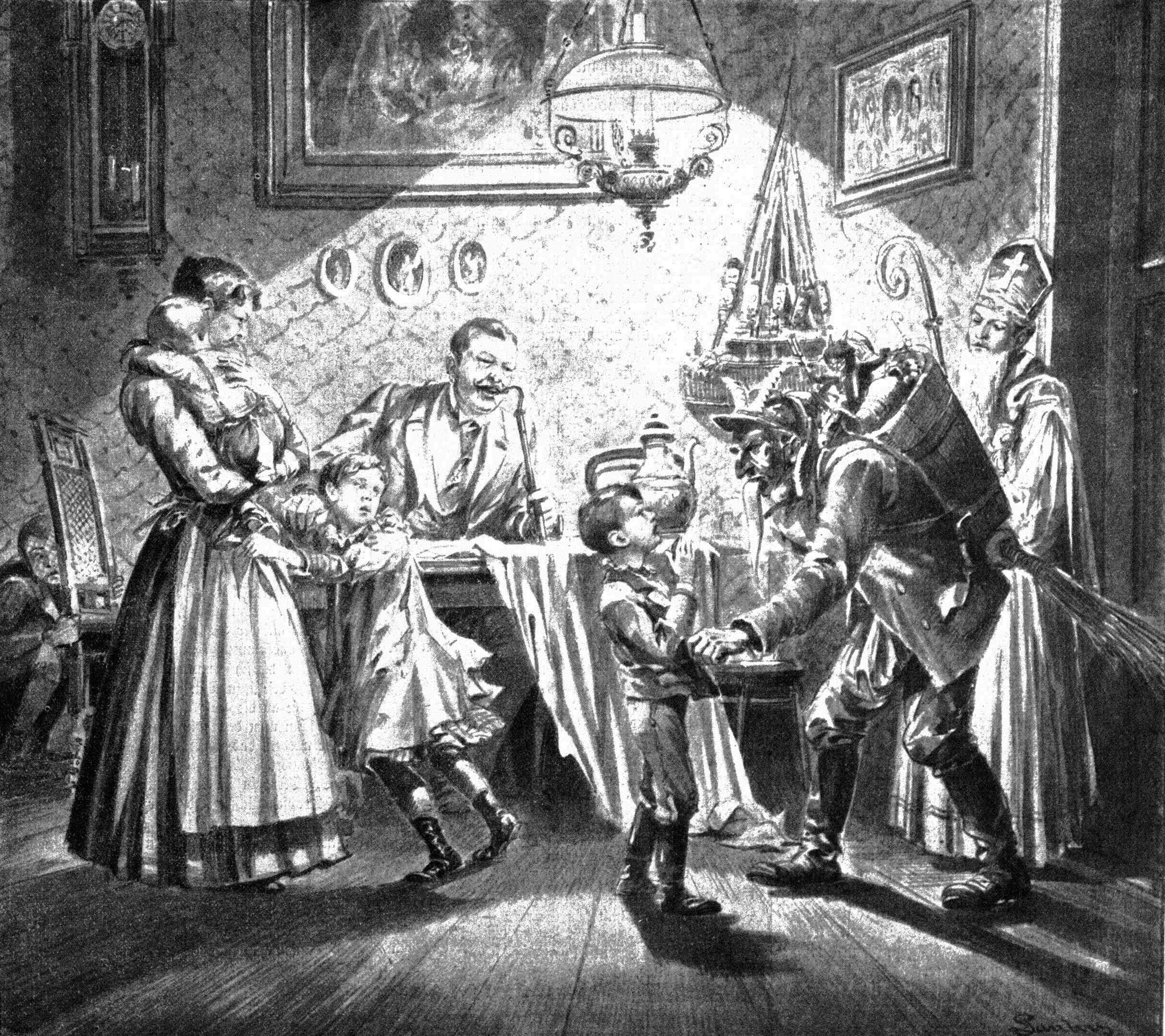
In some Alpine customs, the generous and reassuring saint arrives alongside a much more intimidating figure. This contrast creates memorable seasonal drama and reinforces stories told to children. It does not mean all families use the same script, and modern interpretations often soften the frightening parts.
An Austrian newspaper illustration from 1896 depicts St Nicholas and Krampus visiting a domestic interior. It is useful historical evidence that the paired figures were familiar in nineteenth-century popular culture, long before modern horror films and viral social media.
Is Krampus an Ancient Pagan Demon?
The precise origins of the Krampus customs remain debated. Horned masks and seasonal processions are found in many European traditions, but visual resemblance is not proof that today’s Krampuslauf is one continuous ritual from a prehistoric religion. Broad claims about direct Celtic or Roman descent need specific historical evidence.
Austria Tourism discusses interpretations involving old masking practices while acknowledging the uncertainty. A responsible account keeps different layers separate: documented St Nicholas companions, local costumed celebrations, older winter masking, and modern accounts that blend them together.
Krampus and Perchten: Are They the Same?
No. Perchten are another set of masked Alpine winter figures associated with distinctive processions and regional beliefs. Their costumes can resemble Krampus, and some events include both. However, the names, timing, performance roles and traditions should not be treated as interchangeable.
A useful way to remember the distinction is that Krampus is especially tied to the St Nicholas period around 5 and 6 December, while Perchten traditions extend across other winter celebrations in some regions. Local festival explanations are more reliable than a generic ‘all Alpine demons are Krampus’ summary.
What Happens at a Krampuslauf?
A Krampuslauf is a public parade or run featuring groups of masked performers. Depending on the place, it may include music, bells, crowds, elaborate costumes and a procession route. Visitors should follow event safety guidance and respect performers’ boundaries. Some historical customs included symbolic chasing or scaring, but people should never assume that uninvited contact is acceptable.
For a cultural visit, consult the specific town or region’s organiser, including route, age guidance and accessibility. Photographing a genuine local event is different from presenting a performer as evidence of an actual demon or paranormal encounter.
Why Does Krampus Fascinate Christmas Folklore Fans?
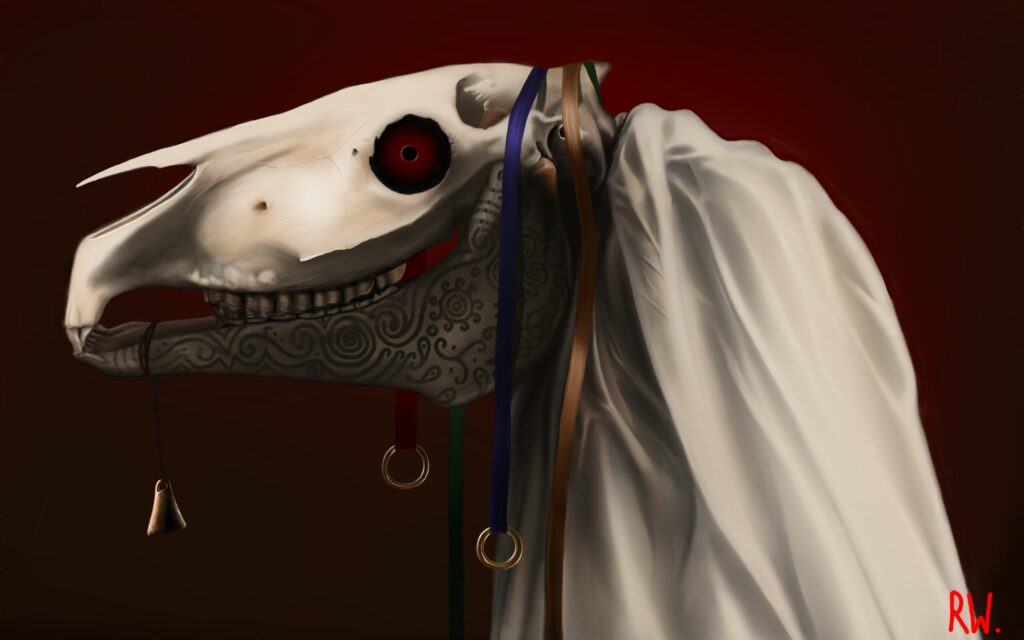
Krampus turns the familiar visual language of Christmas upside down, bringing darkness and mischief into the season of presents and lights. That tension is one reason the tradition interests readers of folklore and horror. Wales has a distinct winter performance tradition in the Mari Lwyd horse custom. For a different midwinter background, our Yule and winter solstice guide explains traditions associated with the changing season without treating every custom as having one origin.
Frequently Asked Questions
Is Krampusnacht on 5 December?
Traditionally yes, although individual Krampus parades may take place on other dates.
Is Krampus a demon that really appears?
Krampus is a folkloric figure portrayed by costumed humans. No supernatural being is established by the tradition.
Does every Austrian town celebrate the same way?
No. Customs, costumes and event arrangements vary by locality.
What is the difference between Krampus and Perchten?
They are different regional winter masking traditions, even where their costumes and events overlap.
Image Credits and Interpretation
Featured photograph: Naturpuur / Wikimedia Commons, CC BY-SA 4.0. In-body images: H. Raab (Vesta), CC BY-SA 3.0, and an 1896 public-domain newspaper illustration. Images document performers and historical art, not a supernatural encounter.
Sources and Further Reading
Austria Tourism: A Raucous Christmas; Austria Tourism: Seven Christmas Traditions; Austrian newspaper image from 1896.
Final Verdict: The Meaning of Krampusnacht
Krampusnacht is a striking example of how frightening imagery can belong to a communal Christmas custom. Its history is richer when we study actual Austrian sources, regional practice and craftsmanship rather than making unfounded claims about one ancient demon.