

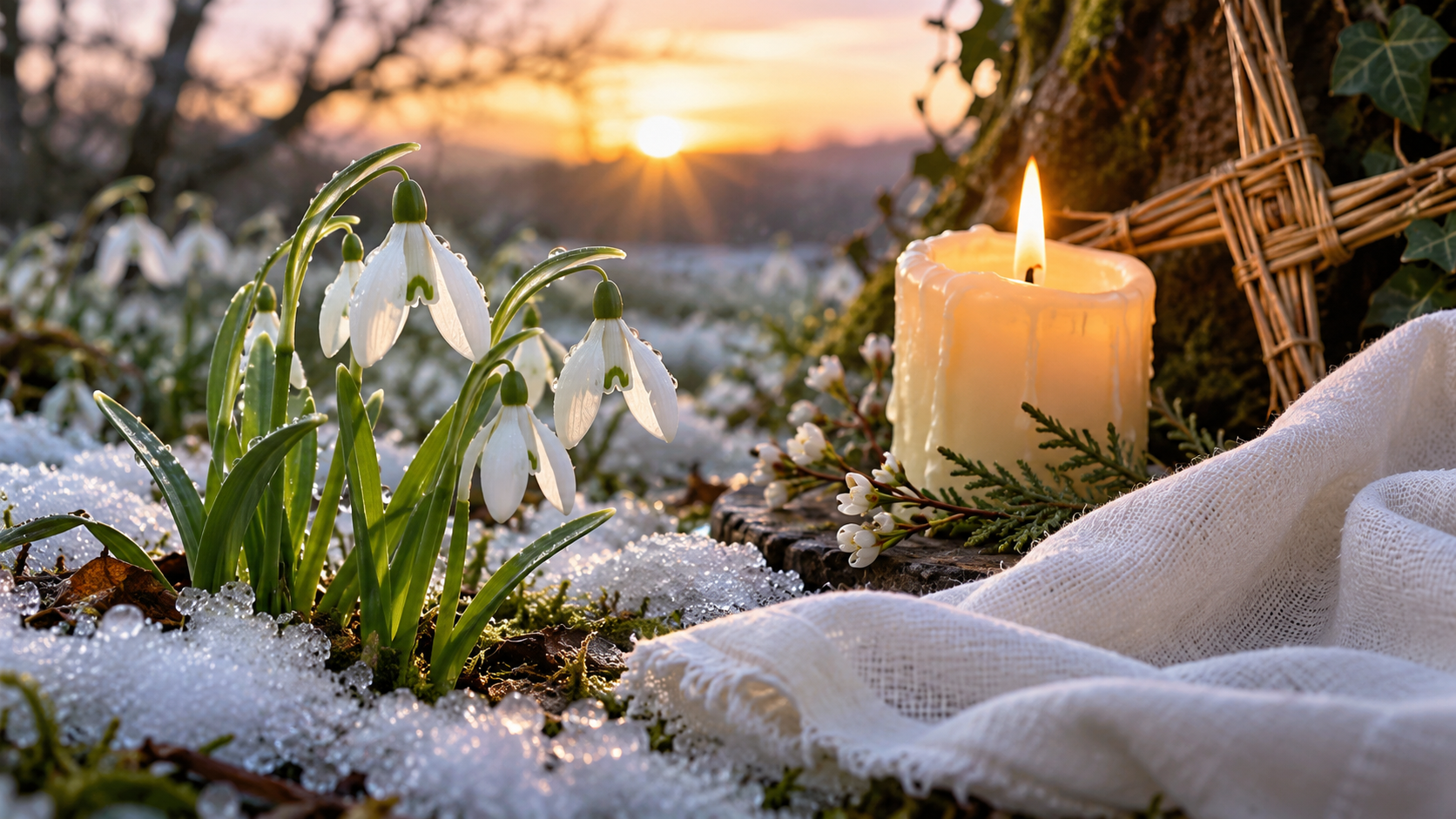
Quick answer: Imbolc is a traditional Gaelic seasonal festival usually marked around 1 February. It is associated with the transition from winter towards spring and, in many traditions, with Brigid. Modern Pagan celebrations often include candlelight, household renewal, simple seasonal crafts and reflection on new beginnings. Imbolc is one of the eight celebrations on the Wheel of the Year, following Yule and preceding the spring equinox.
Imbolc brings together older Irish seasonal associations and diverse modern spiritual practices. Brigid has connections in Irish religious and cultural history, including both pre-Christian traditions and the later Christian Saint Brigid. They should not be treated as one simple, unchanged story. For many people today, the festival offers a chance to notice lengthening daylight, prepare for the growing season and begin a small new habit without pretending winter has already ended.
The Spirit and Meaning of Imbolc
Imbolc is a festival of purification, renewal, and hope. It offers a moment to pause, reflect, and gently prepare for the growth that lies ahead. In ancient times, homes were cleaned and blessed, and many welcomed Brigid into their household by creating a Brigid’s Bed, which is a small resting place for the goddess that symbolised hospitality, protection, and warmth.
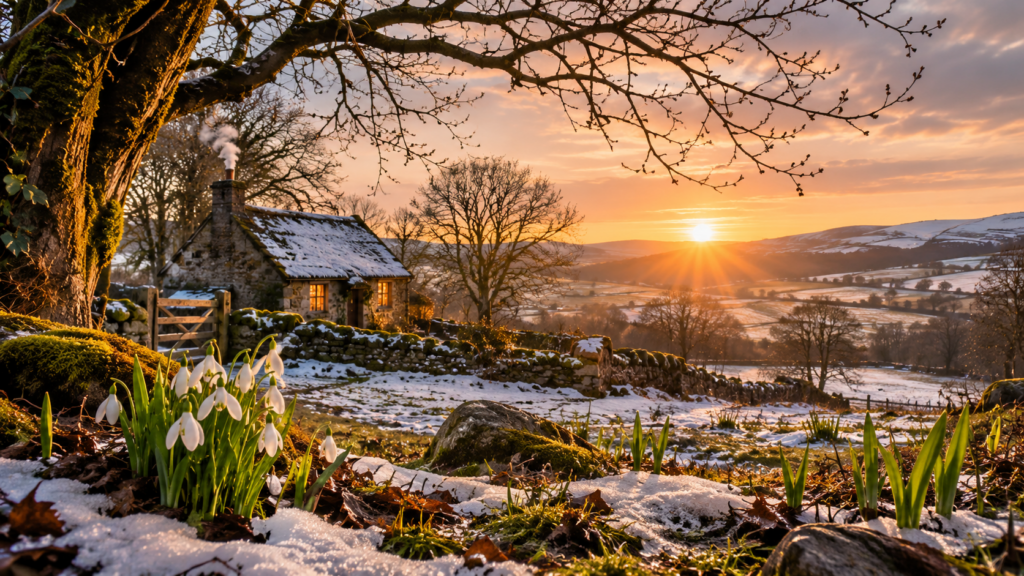
Today, many people still honour Imbolc in their own way. Some light candles in quiet reflection, others cleanse their space and refresh their energy. If cleansing rituals are part of your practice, you may enjoy exploring this guide on how to smudge a home here.
Brigid – Goddess of the Sacred Flame
At the heart of Imbolc stands Brigid herself. As goddess of the hearth, she is a guardian of the home and family, offering comfort, protection, and inspiration. Fire is sacred to her and represents purification, creativity, and the spark of new beginnings.
Many honour Brigid by lighting candles, crafting Brigid’s crosses, writing poetry, or offering prayers for healing and guidance. Imbolc is a beautiful time to reconnect with your creativity and nurture your wellbeing as the year slowly begins to unfold.
Preparing for Imbolc – Cleansing and Intention Setting
Preparation for Imbolc often begins with a gentle reset. Clearing clutter, opening windows to let in fresh air, and refreshing your living space helps to welcome in new energy. Setting intentions is also an important part of the season. This might be done through journaling, meditation, or simply lighting a candle and speaking aloud what you wish to grow in the coming months.
Candle magic is particularly fitting at this time of year, and you may enjoy exploring practices such as: Candle Magick Spells or Candle Spells Here
Imbolc Rituals and the Sacred Flame
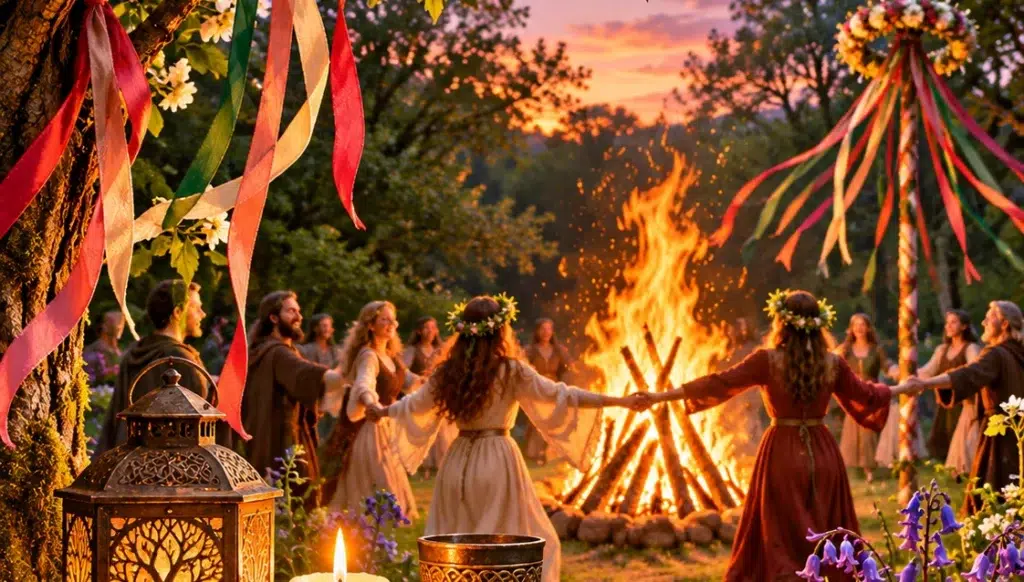
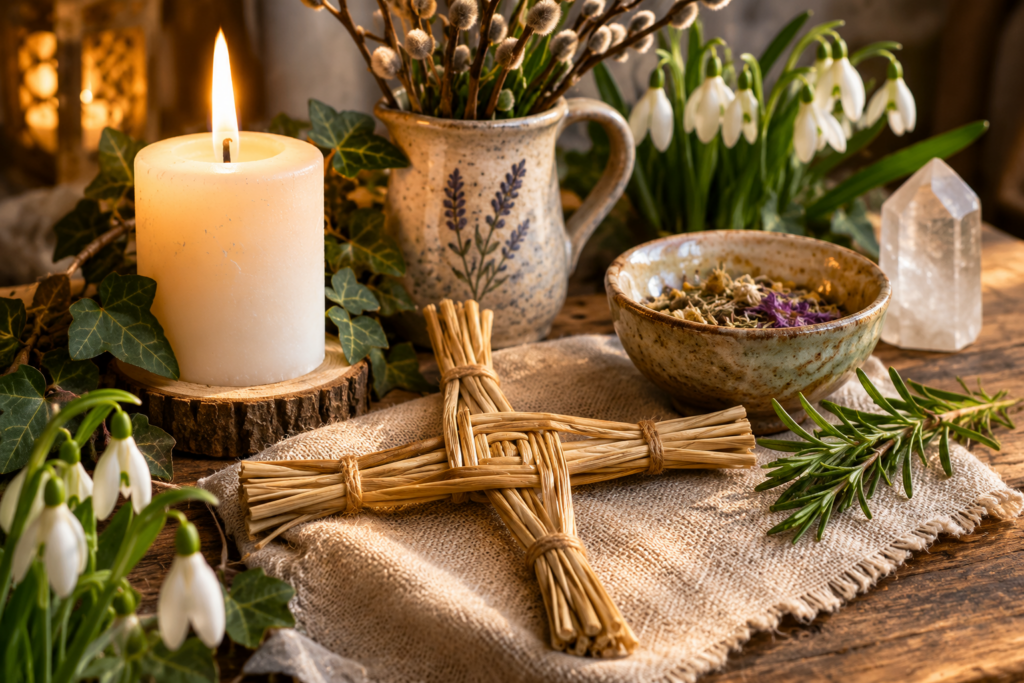
Rituals at Imbolc often centre around the sacred flame. Candle lighting ceremonies honour the returning sun and Brigid’s fire, symbolising warmth, protection, and renewal. Brigid’s crosses are traditionally made from rushes or straw and placed in the home as a blessing for the year ahead.
Some people also mark the festival with small outdoor fires or symbolic release rituals, safely burning away old worries and making space for new beginnings.
Creating an Imbolc Altar
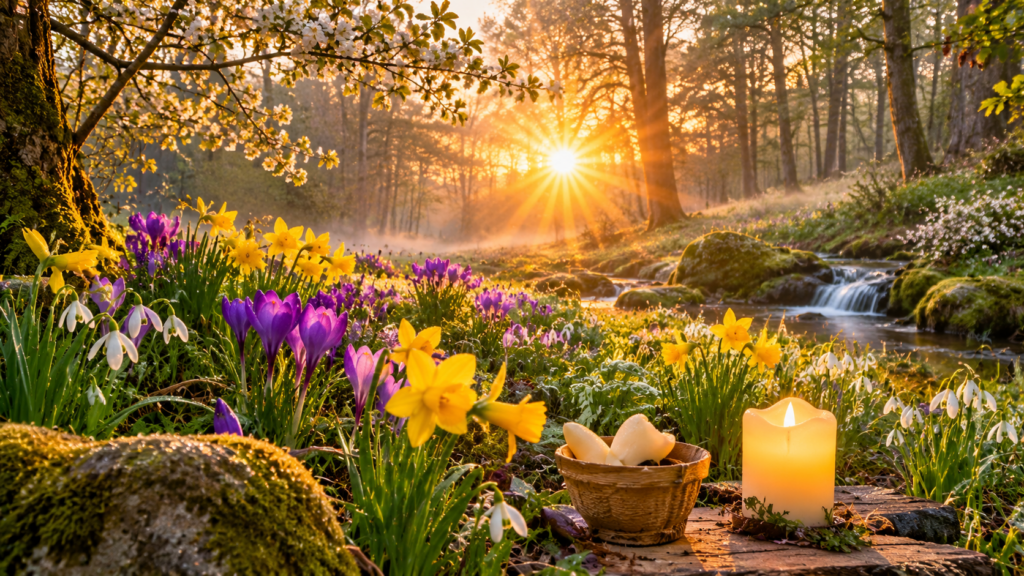
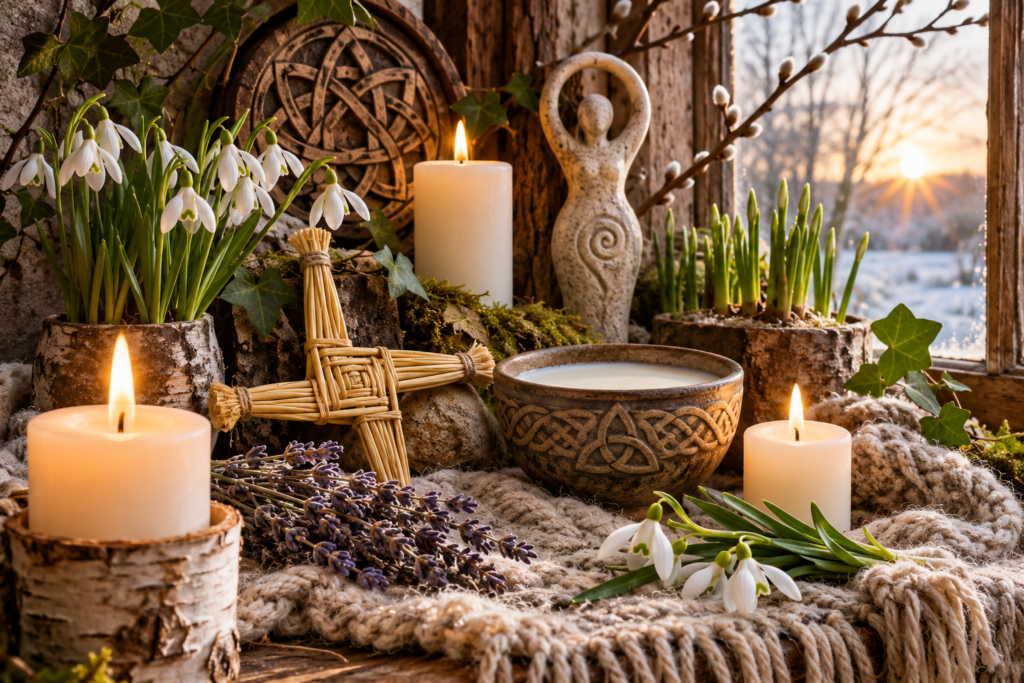
Creating an Imbolc altar can be a meaningful way to honour the season. Candles, early spring flowers, seeds, herbs, and simple offerings such as bread or milk all reflect the themes of nourishment and renewal.
Many people also incorporate crystals into their altars to support healing and growth. If crystal work resonates with you, you may enjoy exploring: Crystals or Crystal Healing
Celebrating Imbolc with Food
Food plays a comforting role in Imbolc celebrations. Dairy products, bread, and warming meals are traditionally associated with the festival, reflecting early lambing season and the nourishment of the hearth.
Baking bread in Brigid’s honour or sharing a warm meal with loved ones is a beautiful way to connect with the spirit of the season.
The Celebration in Modern Witchcraft
In modern witchcraft, Imbolc is embraced as a time for renewal spells, cleansing rituals, creativity magic, and intention-setting. Many practitioners honour Brigid through candle work, journaling, poetry, and nature walks, connecting with the quiet awakening of the earth.
If you’d like to explore modern witchcraft further, you may enjoy visiting:
Witchcraft Post Here
A beginner-friendly way to celebrate: choose a quiet morning to notice the daylight, clean one small space, set out a snowdrop illustration or seasonal plant, and write one intention for spring. A candle or LED light can represent warmth, but no flame or special supplies are required. If you use a candle, keep it attended and away from dried greenery. For an accessible approach to candle-based reflection, read our candle practice for beginners.
Common questions: Is Imbolc on 1 or 2 February? Many people celebrate on 1 February, while some use the evening before or 2 February, depending on tradition. Is it the same as Candlemas? The dates and some imagery overlap, but Candlemas is a distinct Christian feast. Must I worship Brigid? No; religious practice varies, and people can observe seasonal renewal without adopting a deity-focused ritual.
As the days continue to lengthen, the next spring turning point on the Wheel of the Year is Ostara and the spring equinox. Our Ostara guide explains its historical background and offers simple ways to celebrate the growing season, making it a natural next read after Imbolc.
Carrying the Energy of Imbolc Forward
As we move beyond Imbolc, its energy continues to guide us forward. The festival reminds us that every ending holds the seed of a new beginning, and that growth often begins quietly, beneath the surface.
Imbolc follows the deep stillness of Yule Here and leads us gently toward the brighter festivals of the year, such as Ostara and Beltane, and eventually the warmth of Litha and the summer solstice.
Later in the year, the wheel turns through the harvest festivals of Lammas and Lughnasadh and Mabon, before returning once more to the shadowed beauty of Samhain and Yule.
Imbolc stands as a reminder that the light always returns and that within each of us, a sacred flame is quietly waiting to grow.