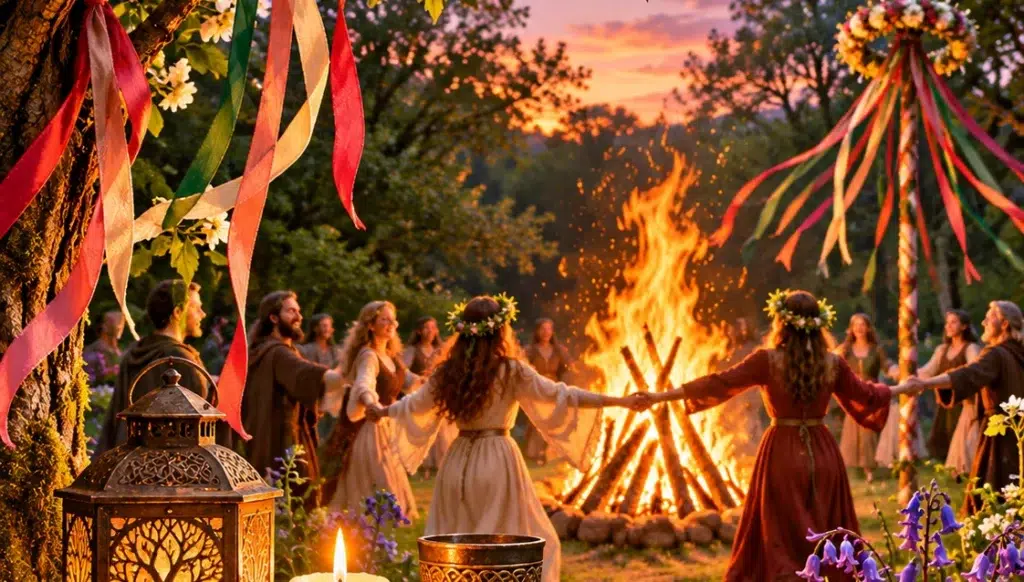


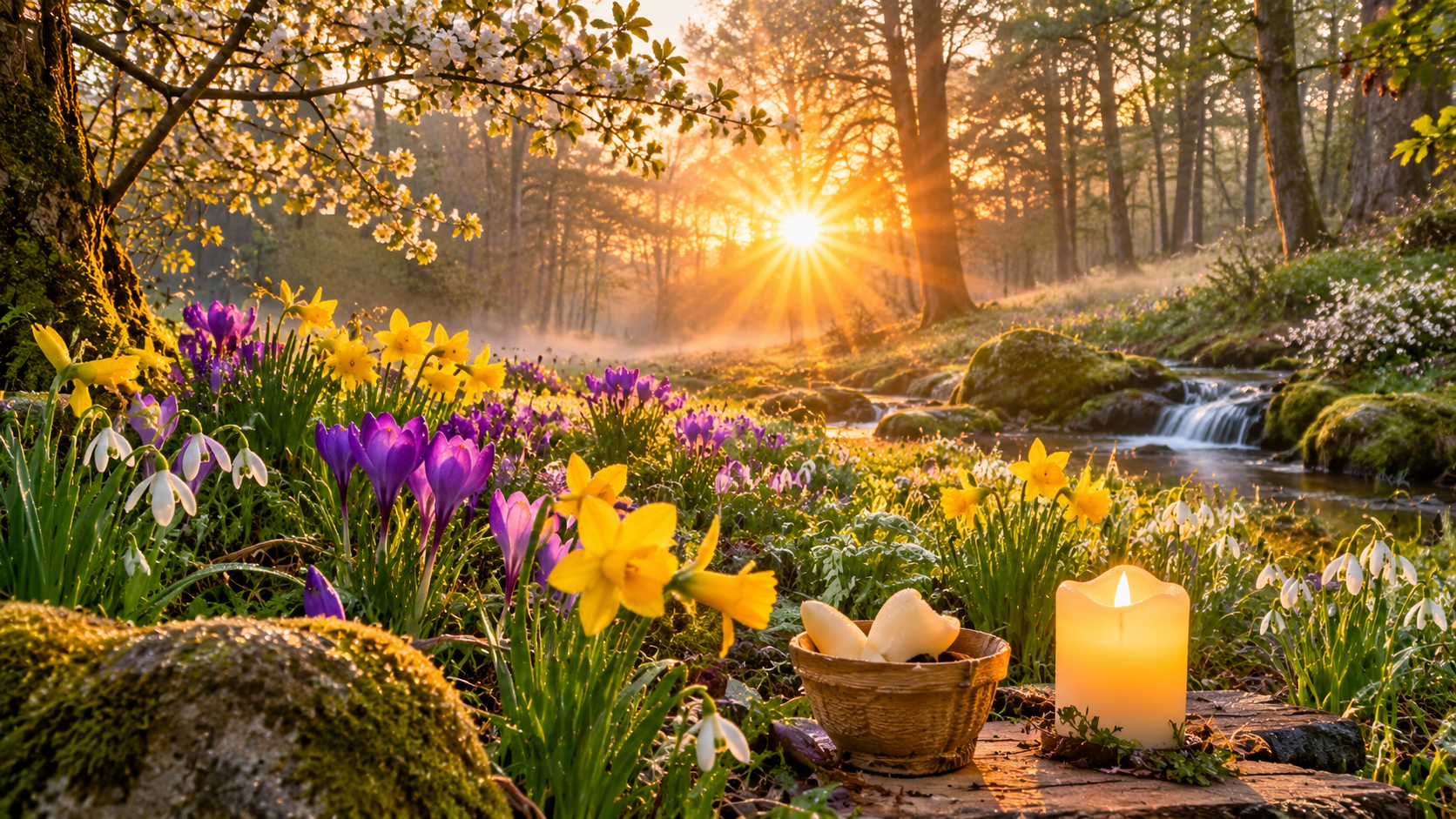
Quick answer: Ostara is a spring equinox festival celebrated by many modern Pagans and Wiccans as a time of renewal, growth and seasonal balance. In the UK, the 2027 spring equinox falls on Saturday 20 March at 8:24 pm GMT. Simple ways to celebrate include planting seeds, noticing spring wildlife, decorating a seasonal table and reflecting on what you would like to nurture. Ostara’s modern customs should not be confused with a single, fully documented ancient festival.
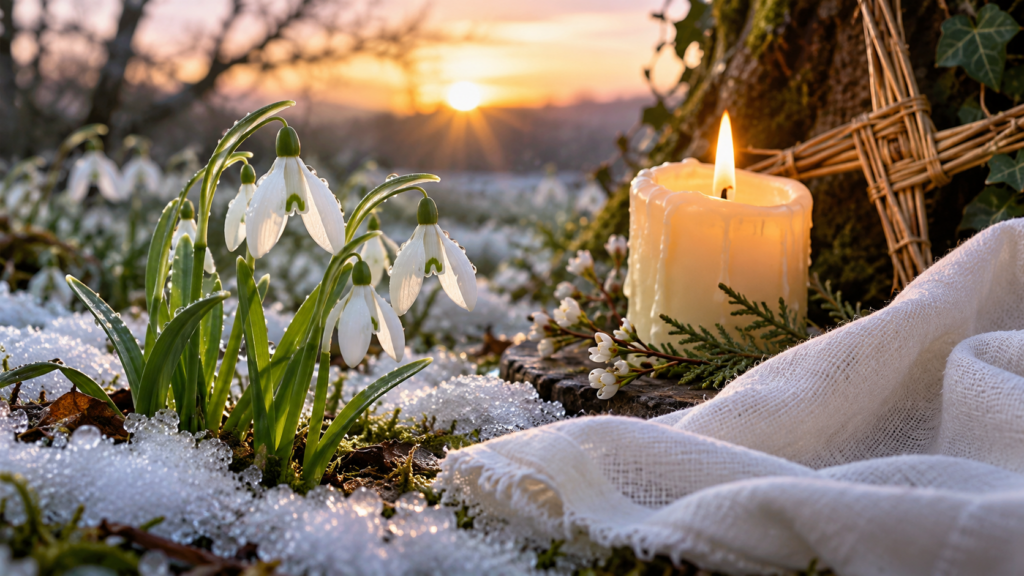
A few extra minutes of daylight, a snowdrop by the path, the first birdsong of a milder morning: spring rarely arrives all at once. Ostara invites you to notice those small changes. Whether you follow a Pagan spiritual practice or simply enjoy seasonal traditions, this guide explains when Ostara falls, what is known about its history and how to mark it thoughtfully without expensive supplies or exaggerated historical claims.
Ostara is one of the eight festivals commonly shown in the modern Wheel of the Year. It follows Imbolc, the early-February festival, and precedes Beltane at the beginning of May. Each has a different focus: this article is specifically about the spring equinox, its interpretation and practical spring celebrations.
When is Ostara in 2027?
The astronomical spring equinox is on Saturday 20 March 2027 at 20:24 GMT in the UK. This is the moment the Sun crosses the celestial equator heading northward. The time is given by timeanddate.com’s London equinox calendar; local clock times will differ elsewhere. Many people observe Ostara on that date, while others choose the nearest weekend or a time when their local landscape visibly comes to life.
Equinox is often described as “equal day and night”, but daylight and darkness are not exactly twelve hours everywhere on the date. Atmospheric refraction and the way sunrise and sunset are defined affect the apparent balance. The important idea for the modern seasonal festival is the turning point toward longer daylight in the Northern Hemisphere.
If you live in Australia, New Zealand or elsewhere in the Southern Hemisphere, March marks the autumn equinox rather than spring. Some practitioners move their springtime observance to September so that the celebration matches the natural season. Others follow particular traditional calendars; both choices deserve clear explanation, not a claim that one rule applies to everyone.
What does Ostara mean in modern Pagan practice?
Ostara is often understood as a celebration of beginnings, emergence and balance. After winter, plants begin to grow more visibly, birds prepare nests and people may feel drawn to clear space for new projects. Modern Wiccans may honour deities or use symbolic ritual; secular seasonal celebrants might garden, walk or create art. Those are contemporary choices rather than requirements.
The themes of “balance” and “rebirth” are metaphors, not instructions to feel cheerful. March weather can still be cold, wet and unpredictable in Britain. You can celebrate by noticing what is actually changing outdoors, rather than assuming everything must be in bloom. A short journal entry about local weather or the first signs of growth can become a meaningful yearly tradition.
Is Ostara an ancient festival? What the evidence actually says
The modern Ostara equinox Sabbat is not documented as an unchanged ancient ceremony. The historical question involves the Anglo-Saxon goddess Ēostre, mentioned by the eighth-century scholar Bede, and the name “Ostara”, proposed in the nineteenth century by folklorist Jacob Grimm. These are related subjects, but they should not be blended into a single certain origin story.
Ēostre, Bede and Jacob Grimm
Bede is the principal early written source mentioning Ēostre. He associated an Anglo-Saxon month called Eosturmonath with a goddess and earlier celebrations. Historians debate what can reliably be inferred from this brief account. Jacob Grimm later proposed a continental Germanic counterpart named Ostara; that proposal is not the same as discovering a detailed ancient festival calendar.
The Library of Congress Folklife explains the limits of the evidence, while a scholarly study of Ēostre and the Matronae Austriahenae explores competing interpretations. We can celebrate modern Ostara meaningfully while remaining honest that many familiar stories are later associations rather than well-attested ancient facts.
Did Ostara give us the Easter bunny and coloured eggs?
You may read that a goddess Ostara transformed a bird into a hare that laid eggs, creating the Easter bunny tradition. There is no secure ancient source for that tale. Eggs and hares are widely used as modern spring symbols, and their cultural histories are interesting in their own right; claiming that they all descend directly from one ancient goddess oversimplifies the evidence. The Library of Congress discussion of Ostara and the hare examines this distinction in more detail.
Ostara symbols and what they represent
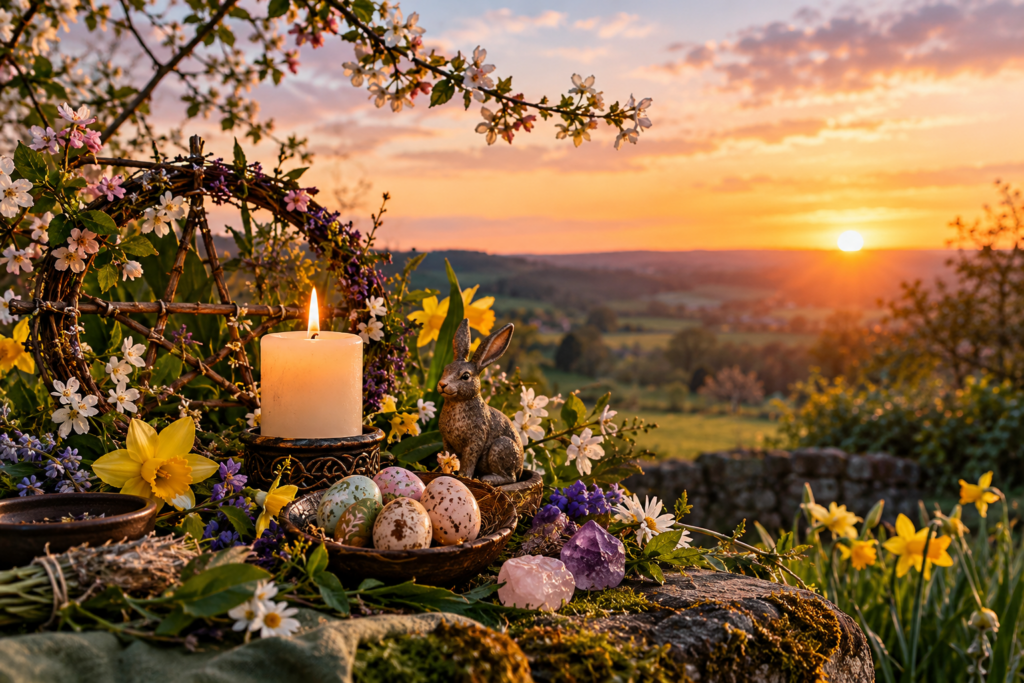
Modern Ostara symbolism is flexible. A decorated egg, seedling or flowering branch can be used as a simple seasonal reminder rather than proof of a particular ancient practice. The following table distinguishes common contemporary themes from their practical use.
| Symbol | Common modern meaning | Simple, accessible use |
|---|---|---|
| Seeds and seedlings | Potential, steady growth | Start herbs or flowers suited to your local conditions |
| Spring flowers | Return of colour and new activity | Photograph blooms or display shop-bought flowers |
| Eggs | New life and beginnings | Decorate reusable wooden eggs or cook a seasonal meal |
| Hares and rabbits | Spring wildlife and change | Observe wildlife respectfully from a distance |
| Sunrise and daylight | Longer days and shifting season | Keep a sunrise journal or take a safe early walk |
| Green, yellow and soft pink | Seasonal colour choices | Use a cloth, drawing or small arrangement |
You do not need every symbol on a crowded altar. In fact, a single seed packet and a notebook can create a clearer connection to the actual season than a large display. Avoid picking protected wildflowers or disturbing nesting birds. If you make decorations with branches, choose fallen material or ask permission before cutting live growth.
How to celebrate Ostara: eight practical ideas
- Start a spring observation journal. Record the date, temperature, first flowers, bird activity and changes in daylight. Compare notes next year.
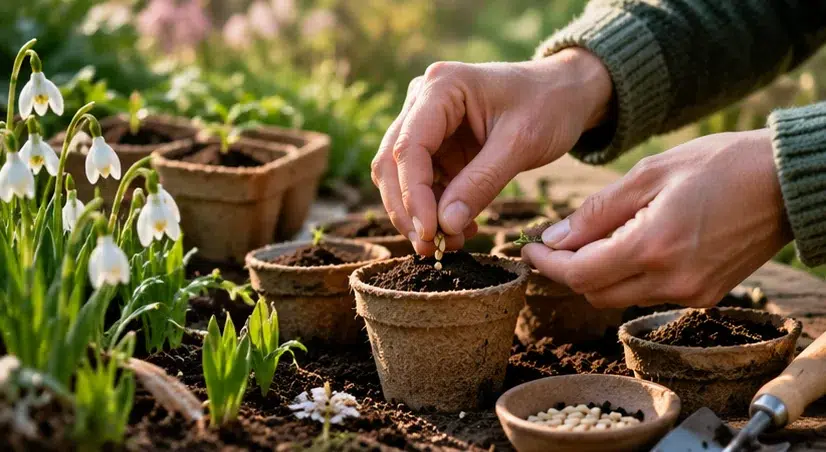
- Plant something suitable for the season. Sow herbs or easy flowers according to the packet instructions, or choose a pot plant if you do not have a garden.
- Make a simple spring arrangement. Place a vase of flowers or a small branch beside an LED candle and an intention card.
- Prepare a seasonal breakfast or lunch. Use ingredients you enjoy and can afford. Fresh greens, eggs, bread and herbs are common choices, not prescribed offerings.
- Clear one small space. Organise a drawer, clean a windowsill or prepare a table for a new project, rather than attempting an exhausting whole-home reset.
- Spend time outside. Visit a park or walk a familiar route and identify three signs of seasonal change. Take weather-appropriate clothing.
- Make a creative gift. Draw spring flowers, make a reusable paper garland or share a packet of seeds with a friend.
- Choose a modest new intention. Write down one habit you can nurture for the next month, with a realistic first action.
A simple 15-minute Ostara celebration at home
This is an original, modern reflection exercise designed for beginners; it is not presented as a reconstruction of an ancient rite. You can adapt it to a spiritual, nonreligious or family setting.
- Minutes 1–3: prepare. Put your phone aside, open the curtains and place a seed, flower or drawing on a safe surface.
- Minutes 4–6: observe. Look outside and describe what you can actually see and hear. Notice at least one sign of spring and one reminder that winter has not completely passed.
- Minutes 7–10: reflect. Write two sentences: “Something I would like to grow is…” and “One thing I can make space for is…”.
- Minutes 11–13: act. Water a plant, tidy a small area or prepare your first step toward the intention you wrote.
- Minutes 14–15: finish. Thank yourself for paying attention to the season, and place a note in your calendar to revisit the idea next month.
If you enjoy candle-based symbolism, see our candle practice guide. An LED light is a safer option around children, pets, fabric or dried plants; a flame is never required.
How to make a small Ostara seasonal table
Choose a stable tray or shelf and add two or three items: a flowering branch in water, a packet of seeds, a little bowl of decorated eggs or a postcard showing your local landscape. Keep it uncluttered so each object is meaningful. An illustrated hare or sun motif is fine if you enjoy it, but you do not have to present it as an original historic religious object.
If you use flowers, check whether they are harmful to pets. Keep sharp tools, small decorations and candles away from children, and avoid incense in a poorly ventilated room. For a family activity, paper flowers and battery-powered lights often work better than elaborate ritual tools.
Ostara foods, flowers and colours
There is no universal historically verified Ostara menu. The most practical seasonal foods depend on your climate and what is available locally: bread, eggs, greens, herbs and early produce are easy possibilities. A simple homemade lunch can feel more authentic to your life than copying an ornate arrangement from social media.
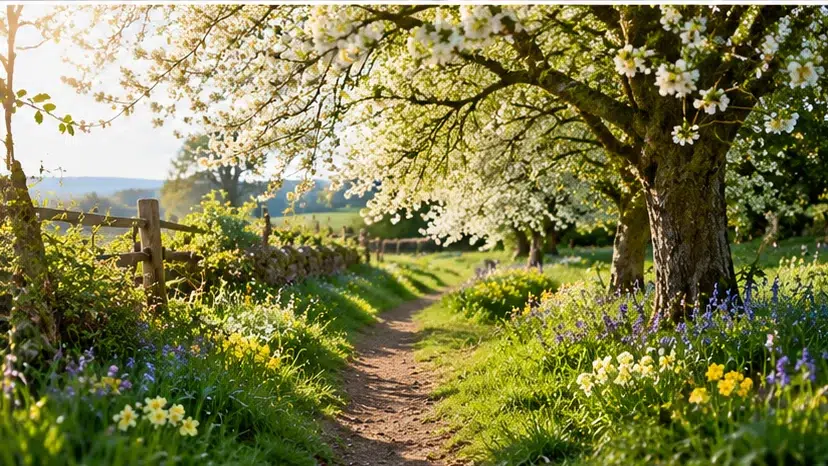
Daffodils, crocuses, blossom and snowdrops often represent spring in UK imagery. Some bloom before the equinox, others later. Treat correspondences such as yellow for warmth or green for growth as modern symbolic choices, not rules that must be followed for a celebration to count.
How Ostara fits into the Wheel of the Year
The modern eightfold Wheel of the Year combines solstices, equinoxes and seasonal festivals into a circular calendar. Ostara comes after Imbolc’s early-spring focus and before Beltane’s May Day traditions. This makes a natural progression from the first signs of growth, through the spring equinox, to the flowering and outdoor gatherings of early summer.
It is also worth comparing Ostara with Mabon and the autumn equinox, the opposite seasonal turning point. Both are associated with the idea of balance in modern practice, but the weather, agricultural context and intentions are very different.
Frequently asked questions about Ostara
When is Ostara in 2027?
The UK spring equinox occurs on Saturday 20 March 2027 at 8:24 pm GMT. You can mark that day or a nearby time that suits your circumstances.
Is Ostara the same as Easter?
No. Ostara is a modern Pagan spring-equinox observance, while Easter is a Christian festival with its own religious history. Some symbols overlap, but their histories cannot simply be equated.
Do I have to believe in a goddess to celebrate Ostara?
No. Some people honour deities, while others observe spring through gardening, reflection, creative activities or family traditions.
Are eggs and hares genuinely ancient Ostara symbols?
They are popular symbols in modern celebrations, but claims that they all come from one documented ancient Ostara cult are not supported by secure historical evidence.
What is the next Sabbat after Ostara?
Beltane, usually marked from the evening of 30 April into 1 May in the Northern Hemisphere.
Final verdict: a meaningful Ostara need not be complicated
Ostara is most useful as an invitation to notice spring and choose something worth nurturing. The most rewarding practice may be an early walk, planting seeds or spending a few quiet minutes acknowledging change. Use history carefully, distinguish belief from evidence and let your own environment guide the celebration.
For the complete calendar, return to our Wheel of the Year pillar guide. If you are planning the next seasonal event, continue to Beltane and its May Day traditions. Both guides offer practical ideas while keeping their historical contexts distinct.
Sources and further reading
- timeanddate.com — Equinoxes and solstices for London, for the 2027 equinox date and time.
- Library of Congress Folklife — In search of the Easter Bunny, for Ēostre, Bede and later interpretations.
- Library of Congress Folklife — Ostara and the hare, for the historical limits of popular folklore claims.
- Folklore research — Ēostre and the Matronae Austriahenae, for academic context.