

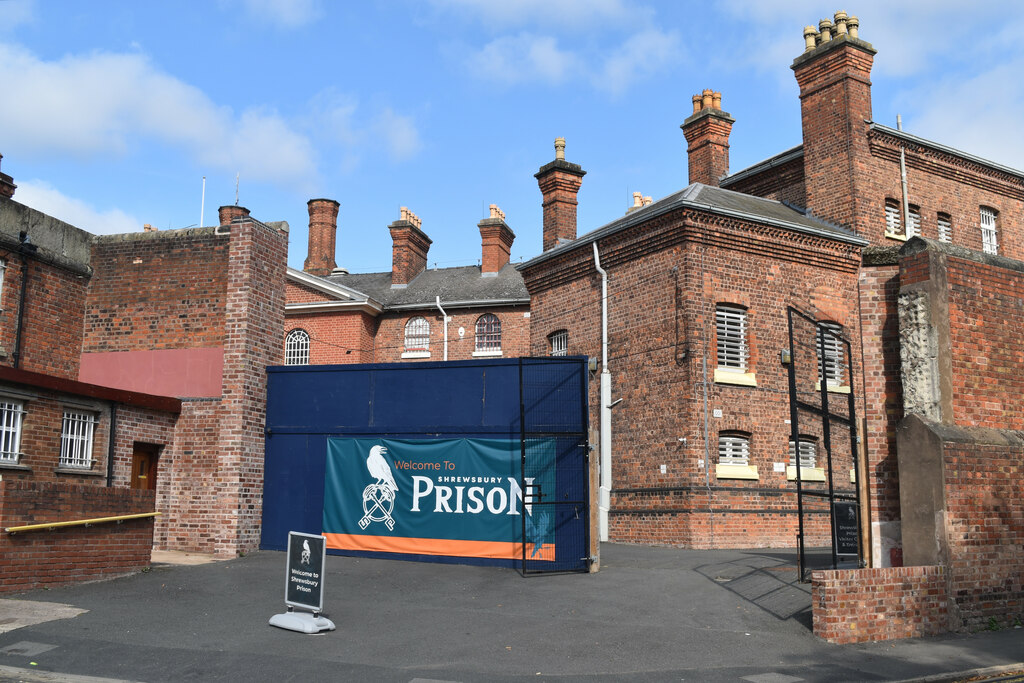
Is Shrewsbury Prison haunted, and can you visit? Shrewsbury Prison, also known as The Dana, is a historic former prison in Shropshire that now welcomes visitors for heritage tours, guided ghost walks and scheduled paranormal investigations. Its reputation includes reports of shadows, noises and apparitions, but these stories do not establish that ghosts are present. The real architecture and prison history make it compelling regardless of your beliefs.
Unlike an abandoned building glimpsed from the road, Shrewsbury Prison is a managed visitor attraction. You can walk along historic landings, examine cells and hear about the people who lived and worked here. Different tickets offer very different experiences: daytime entry, guided history, after-dark storytelling and specialist investigations are not interchangeable.
For more historic British locations with reported hauntings, browse our Haunted Places Explorer and its detailed ghost-travel guides.
Affiliate disclosure: Mystic Realm Blog may earn commissions from selected booking links at no extra cost to readers. The official prison information below takes priority; a detailed GetYourGuide link review will follow later as part of the Ghost Travel project.
Quick guide: which Shrewsbury Prison experience is best?
- Best for history: self-guided Prison Entry during normal visiting hours.
- Best first visit: the daytime Guided Tour explaining cells, wings and prison routines.
- Best for ghost stories: the evening Ghost Tour, a guided experience usually lasting around 90 minutes.
- Best for paranormal enthusiasts: Ghost Hunting Behind Bars, a longer supervised investigation available on selected nights for adults.
- Best overnight experience: Night Behind Bars, which runs on selected dates and is not conventional hotel accommodation.
- Best equipment preparation: our ghost hunting equipment checklist.
Where is Shrewsbury Prison?
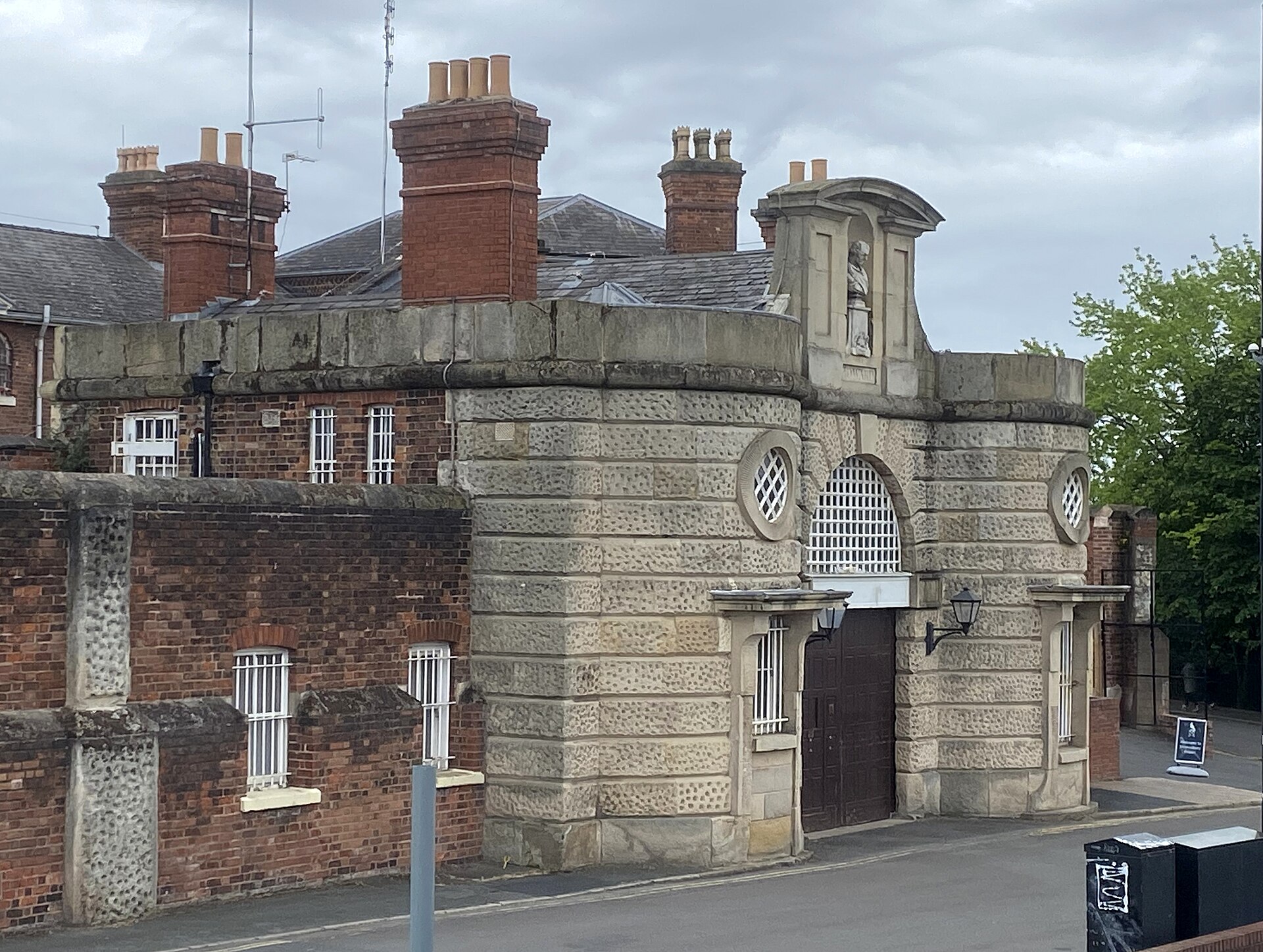
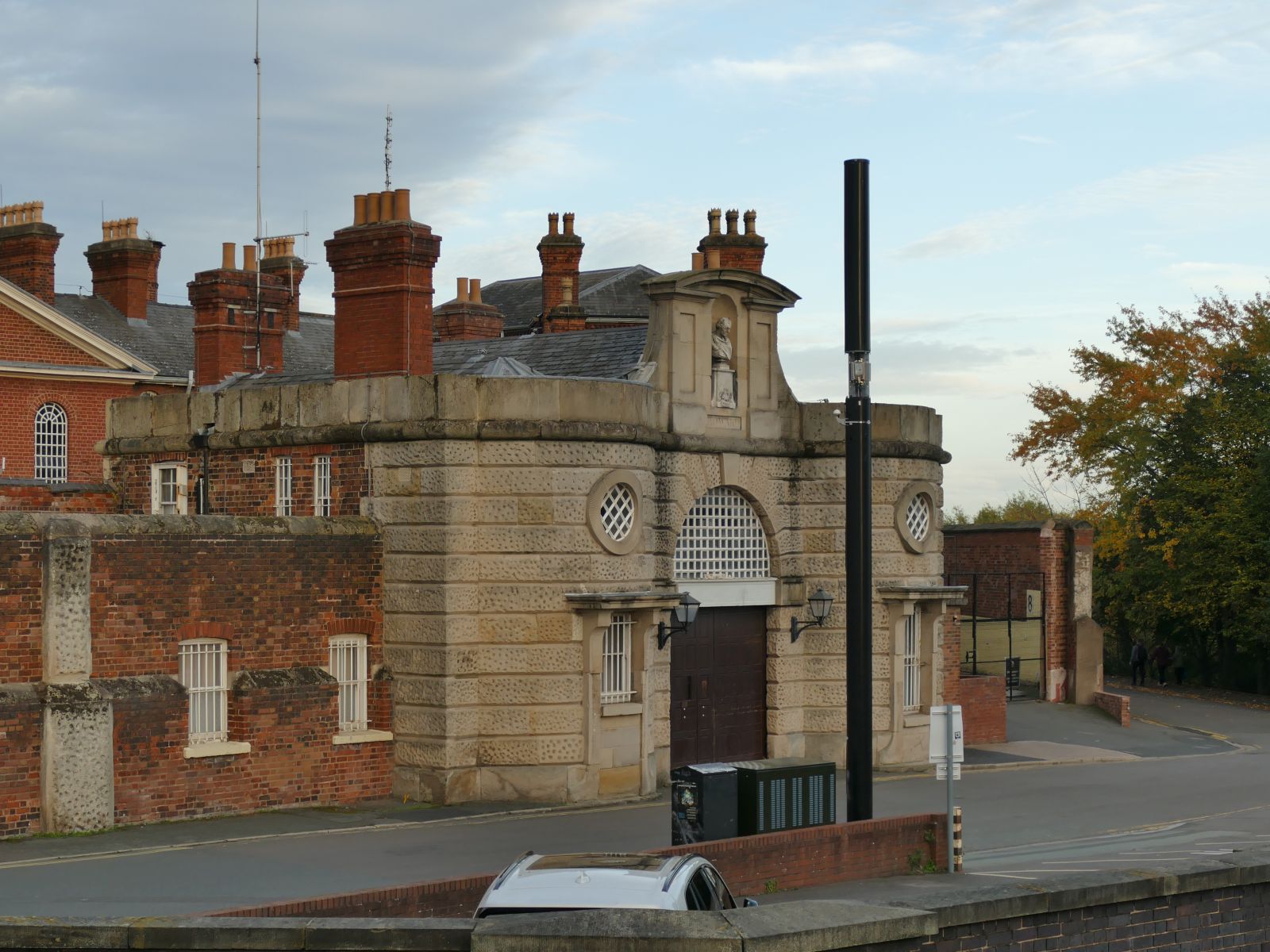
The former prison stands at The Dana in Shrewsbury, Shropshire, close to the railway station. The visitor attraction advertises its address as The Dana, Shrewsbury, SY1 2HP. Its imposing stone gatehouse and surrounding walls make it recognisable before you even step inside.
Book the experience you actually want. General entry is not a ticket to roam every cell after dark, and a ghost tour is not permission to bring equipment or conduct an unsupervised investigation. The operator controls access for visitor safety and preservation.
History of Shrewsbury Prison: Georgian origins to closure
The prison dates to the late eighteenth century. Historic England describes the original complex as having been built between 1788 and 1793 under architect John Hiram Haycock, with involvement from Thomas Telford and prison reformer John Howard. A later programme in 1883–88 introduced major Victorian prison buildings. That mixture of periods is a key reason the site has substantial architectural and historical value.
The Grade II listed prison contains elements from different approaches to incarceration. Its older Georgian wing reflects eighteenth-century thinking about the organisation of a county gaol, while the later cell blocks reveal a much larger and more systematically controlled institution. Doors, ventilation, galleries and landings are tangible remnants of daily life under confinement.
Shrewsbury remained in use as a working prison until 2013. Its subsequent transformation into a visitor attraction means that the public can encounter a real custodial site without entering a functioning prison. This is unusual and valuable, particularly for readers interested in Britain’s changing penal system.
For the documented construction phases and surviving features, read Historic England’s prison listing and its separate gatehouse and perimeter wall record.
What was everyday life like behind the walls?
A historic prison is more than its execution stories. Cells, corridors and exercise areas tell us about routines, surveillance, work, punishment and the loss of privacy. Even an apparently ordinary small cell can prompt questions about the people who occupied it and the circumstances that led them there.
The prison’s architectural history shows changing ideas about order and rehabilitation over more than two centuries. Improvements to building design did not remove the hardship of imprisonment. A thoughtful visitor should consider the reality of prisoners’ experiences rather than treating every dark corridor as a haunted-house prop.
Guides can explain which spaces date to which periods and how their use changed. These details offer more original historical value than sensational descriptions of unexplained noises. Take time to read signs and ask which events are supported by official records.
The execution history and its darker associations
Execution is part of Shrewsbury Prison’s story. In its earlier years public executions were used as a visible form of punishment, while practices evolved in later periods. Visitors may hear stories attached to particular rooms or parts of the complex. The emotional weight of such places is genuine, but it cannot establish that a supernatural entity remains there.
It is worth distinguishing what is documented—criminal justice, sentencing and the physical use of the building—from later stories of figures seen on the landings. The past should be treated respectfully, especially when discussing people who suffered or died while in custody.
The Shrewsbury Prison ghost stories
The prison’s guided tours and marketing refer to reported apparitions such as the Grey Lady and a shadowy figure often called the Shadow Man. Accounts may include strange footsteps, cold sensations or the feeling of being watched. These are attributed claims and visitor experiences, not independent confirmation of spirits.

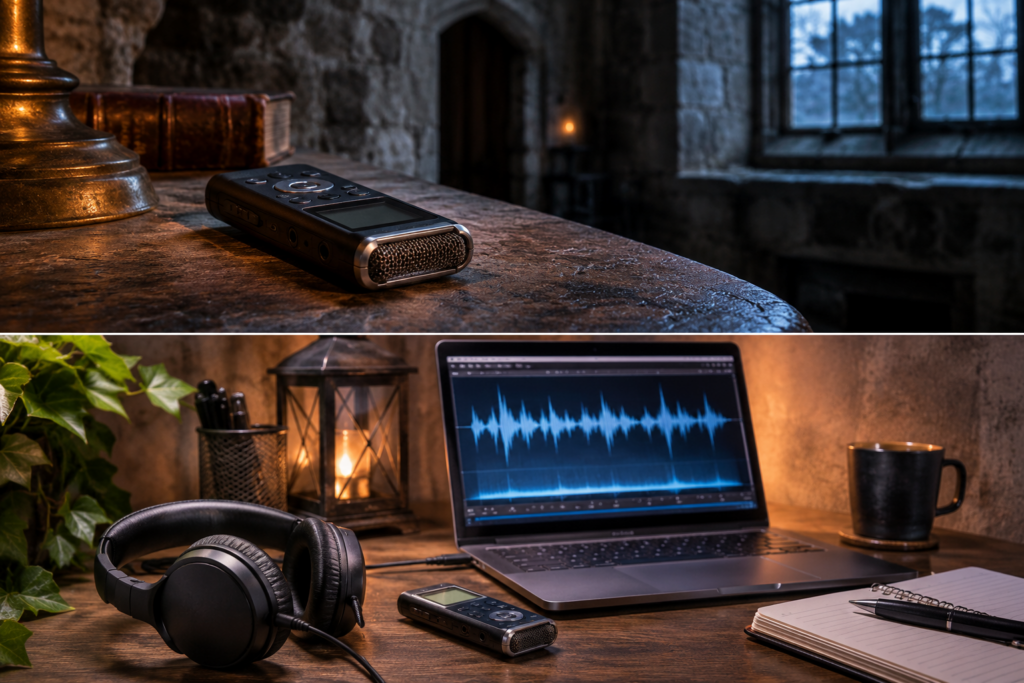
Old prison architecture offers ordinary explanations for some unsettling moments. Long hallways carry sound, doors creak, lighting changes the apparent shape of objects and expectations influence interpretation. A recording device can capture an unexplained noise but does not identify its cause. Good investigation means documenting possible explanations before making a claim.
A story-led tour is still a worthwhile experience. The building’s atmosphere allows a skilled guide to share memories and traditions in a distinctive environment. It is more accurate to promise interesting stories than a guaranteed encounter.
Daytime visits: prison entry and guided tours
The official prison tours page lists both self-guided entry and guided heritage tours. Ordinary opening hours are currently advertised as 10am to 5pm, while organised guided tours operate on published sessions. These arrangements may change around private events, schools and seasonal activities.
Self-guided entry is well suited to people who prefer time to examine exhibitions and architectural details. The guided tour is better if you want interpretation from a host about prisoners, officers, wing layouts and notable events. If this is your first visit, it may be the best way to build context before considering an evening event.
The venue also offers escape-room games and immersive activities, but these are separate ticketed attractions. They should not be confused with historical admission or a paranormal investigation.
After-dark Ghost Tour: stories in the prison
The operator’s regular Ghost Tour is a guided nighttime experience. In November 2026, the website advertises Wednesday sessions at 6.30pm and 8.30pm, lasting about 90 minutes, with a recommended minimum age of 12. Check the live calendar before travelling because dates and seasonal programmes can change.
Guides describe reported activity while groups enter selected prison areas after normal daytime closing. The tour’s emphasis is on history, atmosphere and storytelling, rather than conducting a full equipment-based investigation. Visitors may spend time inside a cell as part of the experience.
The venue also runs special Halloween programmes. Some have actors, sudden scares, loud sound or lighting effects. Their sensory intensity and restrictions are different from the regular Ghost Tour, so make sure you are booking the right version.
Ghost Hunting Behind Bars: the organised investigation
For people who want to participate in a paranormal investigation, Shrewsbury Prison runs Ghost Hunting Behind Bars. Its current listing describes a 6.5-hour adult-only event on selected dates, with guided observation, access to chosen rooms and use of specialist equipment. For a first-hand perspective from another historic prison, read our interview with investigator Stephen Hack about Shepton Mallet Prison in Somerset. It describes his own reported experiences, rather than what every visitor should expect.
Hosts introduce common techniques such as audio recording, environmental monitoring and discussions of unexpected events. Part of the event involves a guided attempt at spirit communication in an area that rotates between sessions. Participation in such an experiment is not evidence that communication occurred; reliable conclusions require controls, repeatability and careful review.
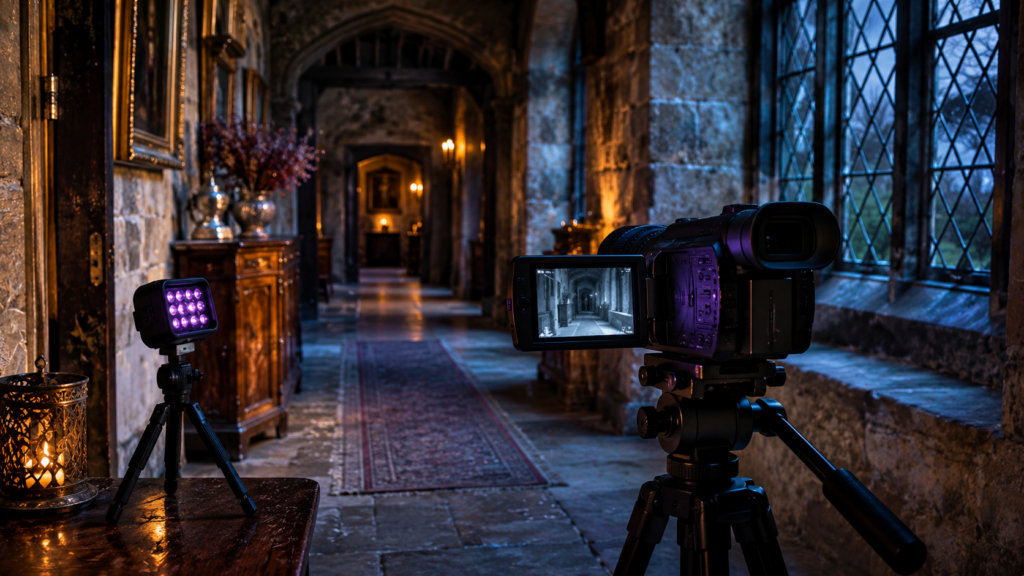
Guests should confirm the rules for bringing their own cameras, audio recorders or EMF equipment. Not every event visits the same rooms, and organised supervision is important in a complex historic building.
Night Behind Bars: a longer overnight experience
Night Behind Bars is a separate scheduled twelve-hour experience for adults, promoted as an unusual overnight visit to the former prison. This is not the same as booking a normal hotel room or an open-ended private ghost hunt. The operator specifies a start time and programme, and attendees should prepare for late hours in a historic institutional setting.
Allow for the practical consequences of an overnight session. Dress for cooler interiors and arrange suitable transport or rest afterwards, especially if you are travelling a long distance. Sleep deprivation itself can alter perception, so that should be considered if you are interpreting strange experiences.
Planning a Shrewsbury Prison visit
- Choose the right product: compare Prison Entry, Guided Tour, Ghost Tour and longer events rather than assuming one ticket covers everything.
- Dress practically: warm layers and sturdy footwear are useful for stone corridors and old landings.
- Check ages: the Ghost Tour is currently listed as 12+, while the specialist overnight and investigation events are 18+.
- Check accessibility: the building has historic stairs and spaces with differing levels of access; ask about your particular route.
- Bring essentials: a charged phone and any personal supplies permitted by the operator.
- Respect the building: stay with your guide and never enter closed rooms or tamper with fixtures.
Visitors interested in recording unusual experiences can use our ghost hunting equipment checklist and ghost hunting introduction to plan observations. Useful notes about time, place, conditions and alternative explanations matter more than dramatic but ambiguous readings.
Other haunted places to explore in Shropshire
For a very different type of folklore, our Devil’s Chair at the Stiperstones guide explores a protected landscape associated with legends of the Devil and Wild Edric. It makes a suitable daytime companion to a Shrewsbury Prison trip if you have transport and enough time. The contrast between a managed institutional attraction and a wild ridge is part of the appeal. Another Shropshire option is Wenlock Edge, where local landscape history and ghostly folklore meet; it features in our haunted woods and forests guide.
Frequently asked questions
Is Shrewsbury Prison still operating as a prison?
No. It closed as a working prison in 2013 and now functions as a visitor attraction offering tours and other scheduled events.
Does Shrewsbury Prison offer ghost hunts?
Yes. Ghost Hunting Behind Bars is a scheduled adult paranormal investigation, distinct from the shorter guided Ghost Tour.
Is Shrewsbury Prison suitable for children?
Some daytime activities welcome families. The regular nighttime Ghost Tour is currently listed for ages 12 and over, while longer investigation and overnight events are for adults. Check current restrictions.
When was Shrewsbury Prison built?
The original Georgian complex was built between 1788 and 1793 and underwent substantial expansion in the 1880s, according to Historic England.
Has anyone proved Shrewsbury Prison is haunted?
No reliable scientific evidence confirms a haunting. The venue has many attributed ghost stories and personal reports, but these are different from demonstrated supernatural causes.
Final verdict
Shrewsbury Prison is one of the more accessible historic places for paranormal enthusiasts in Shropshire. You can learn the real history by day and choose a storytelling or investigation experience later. Our recommendation is to start with the history, then decide whether the Ghost Tour or the longer adult-only investigation matches your interests. The prison’s architecture and difficult past warrant careful attention whatever you conclude about its ghosts.
For a very different overnight paranormal experience, read our 30 East Drive visitor guide about the Black Monk of Pontefract. Unlike Shrewsbury Prison’s regular tours, the house only accepts specially arranged visits.