

What are the best haunted places to visit in Edinburgh? Edinburgh’s most compelling ghostly stops include the Real Mary King’s Close, Greyfriars Kirkyard, the South Bridge Vaults and Edinburgh Castle. Add the Palace of Holyroodhouse, the Grassmarket and atmospheric Old Town streets for a journey through the real history that shaped the city’s supernatural stories. Haunting claims remain stories and reported experiences rather than proof of ghosts.
If you enjoy building a trip around eerie history, our interview with The Morbid Tourist offers another perspective on what draws travellers towards haunted and folklore-rich destinations.
For further haunted-history destinations after Edinburgh, explore our Haunted Places Explorer for mapped UK and US locations and linked stories.
Edinburgh is exceptionally well suited to a haunted-history trip. Medieval closes rise above layered streets, monuments crowd ancient burial grounds and the city’s royal past includes violence, imprisonment and political conflict. Some of these locations operate as ticketed attractions; others are public outdoor places or working businesses. This guide explains what you can actually visit, which stories are well documented and where a guided ghost tour can add useful context.
Affiliate disclosure: Some booking links may earn Mystic Realm Blog a commission at no additional cost to you. We recommend checking the operator, itinerary and current availability before buying. A generic underground ghost walk is not the same as admission to a named attraction.
Quick picks: haunted Edinburgh at a glance
- Best immersive historical attraction: the Real Mary King’s Close beneath the Royal Mile.
- Best famous ghost story: Greyfriars Kirkyard and the alleged Mackenzie Poltergeist.
- Best underground tour setting: the South Bridge and Niddry Street vaults.
- Best major historic monument: Edinburgh Castle.
- Best royal history: the Palace of Holyroodhouse and Mary, Queen of Scots.
- Best free exploration: the Old Town, Grassmarket and publicly accessible churchyards.
1. The Real Mary King’s Close: life beneath the Royal Mile
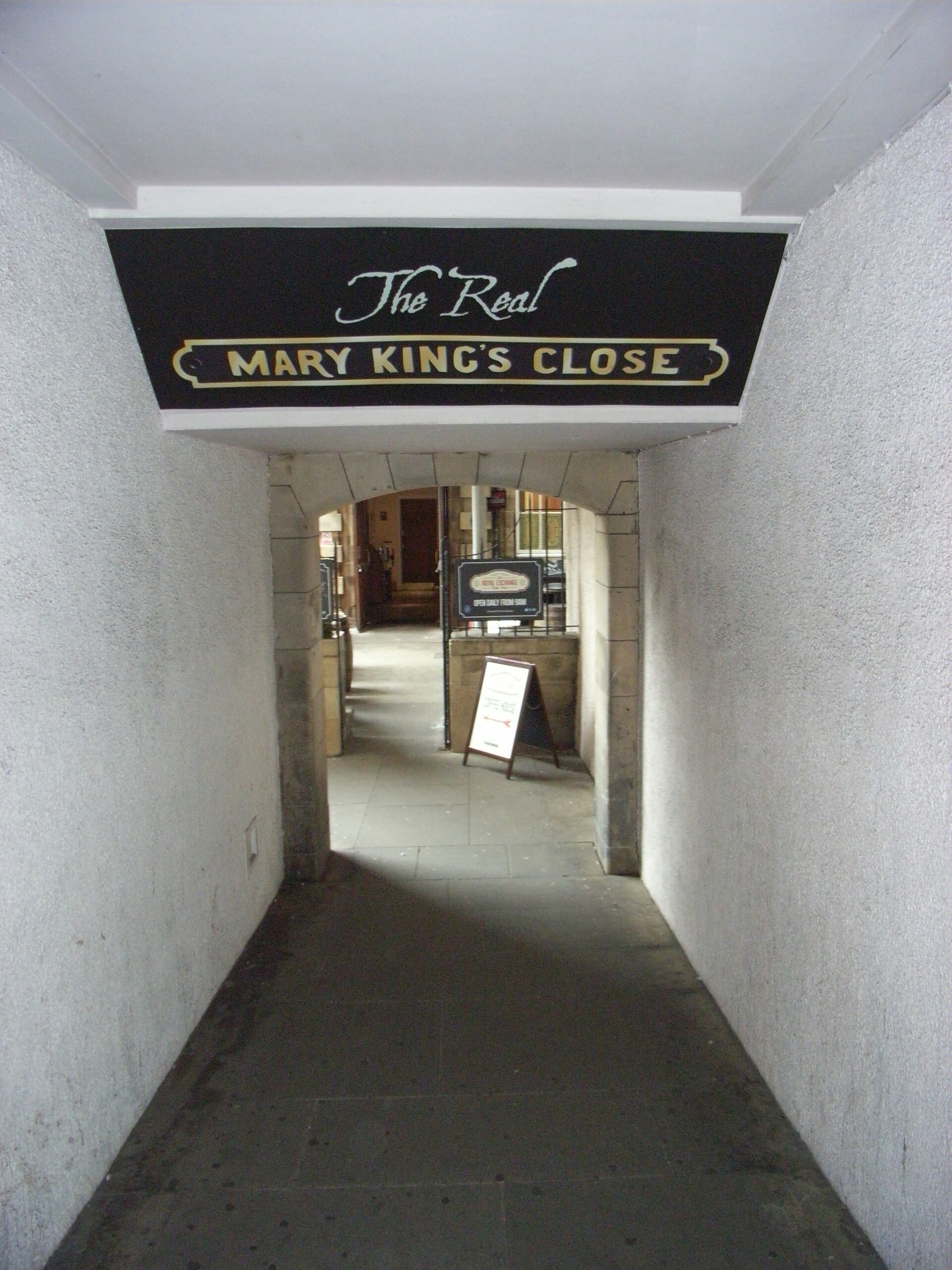
One of Edinburgh’s most distinctive visitor experiences is a guided descent into preserved historic streets and rooms beneath the Royal Mile. The Real Mary King’s Close tells the stories of people who lived and worked in a crowded part of the Old Town. Interpretations of disease, poverty and everyday life help explain why these spaces later became associated with haunting stories.
The Close is sometimes described as an abandoned underground city, but that language hides the complexity of how the historic street was built over and preserved. A costumed guided tour supplies context and helps separate urban legend from documented history. It is an ideal choice for travellers seeking an atmospheric experience with clear interpretation rather than a promise of paranormal evidence.
According to the official attraction description, a standard guided visit lasts around an hour. Tours are ticketed, and the operator recommends pre-booking. Photography and video recording are not permitted during the tour; check accessibility and age restrictions in its visitor FAQs.
2. Edinburgh Castle: military history and the lone piper
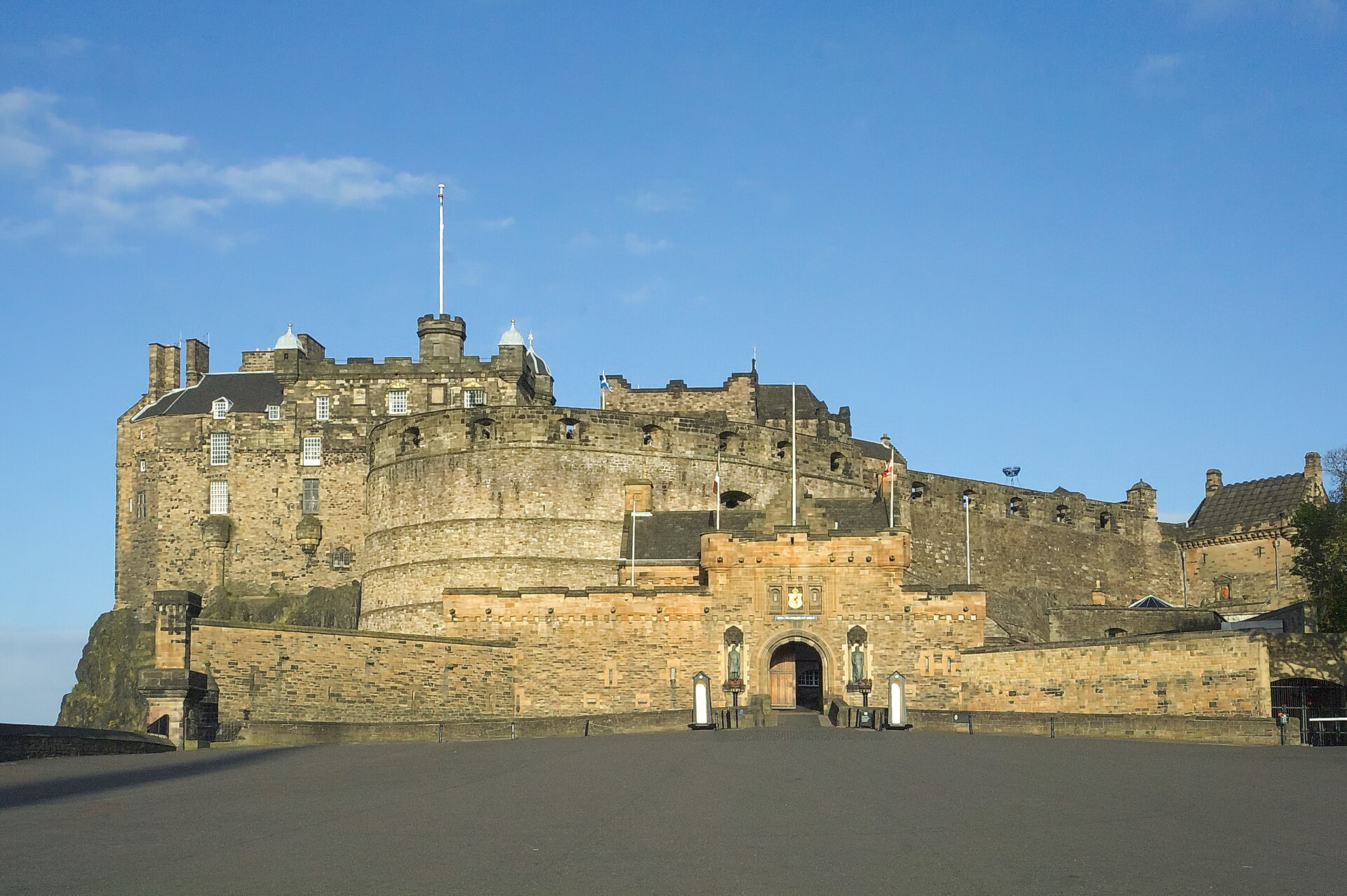
Edinburgh Castle stands on Castle Rock, a volcanic prominence occupied and defended for many centuries. Its long history as a royal residence, military fortress and prison makes it a natural focus for ghost stories. A frequently repeated legend concerns a lone piper whose playing is said to drift from beneath the castle or along hidden passages. Treat that narrative as folklore, not an established acoustic mystery.
The documented history is impressive enough: the fortress developed from a hilltop stronghold into a centre of royal power and later a major military base. You can explore the defences, see the city from the ramparts and learn about Scotland’s historical conflicts through the site’s interpretation.
The Historic Environment Scotland history guide explains the castle’s evolution. Its visitor page lists seasonal daytime hours. Do not promise an after-dark castle experience unless a specific event ticket explicitly allows it.
For visitors who prefer an organised introduction to the site, a Castle guided-tour option may be available (affiliate link; verify entry inclusions before booking).
3. Greyfriars Kirkyard: the Mackenzie Poltergeist
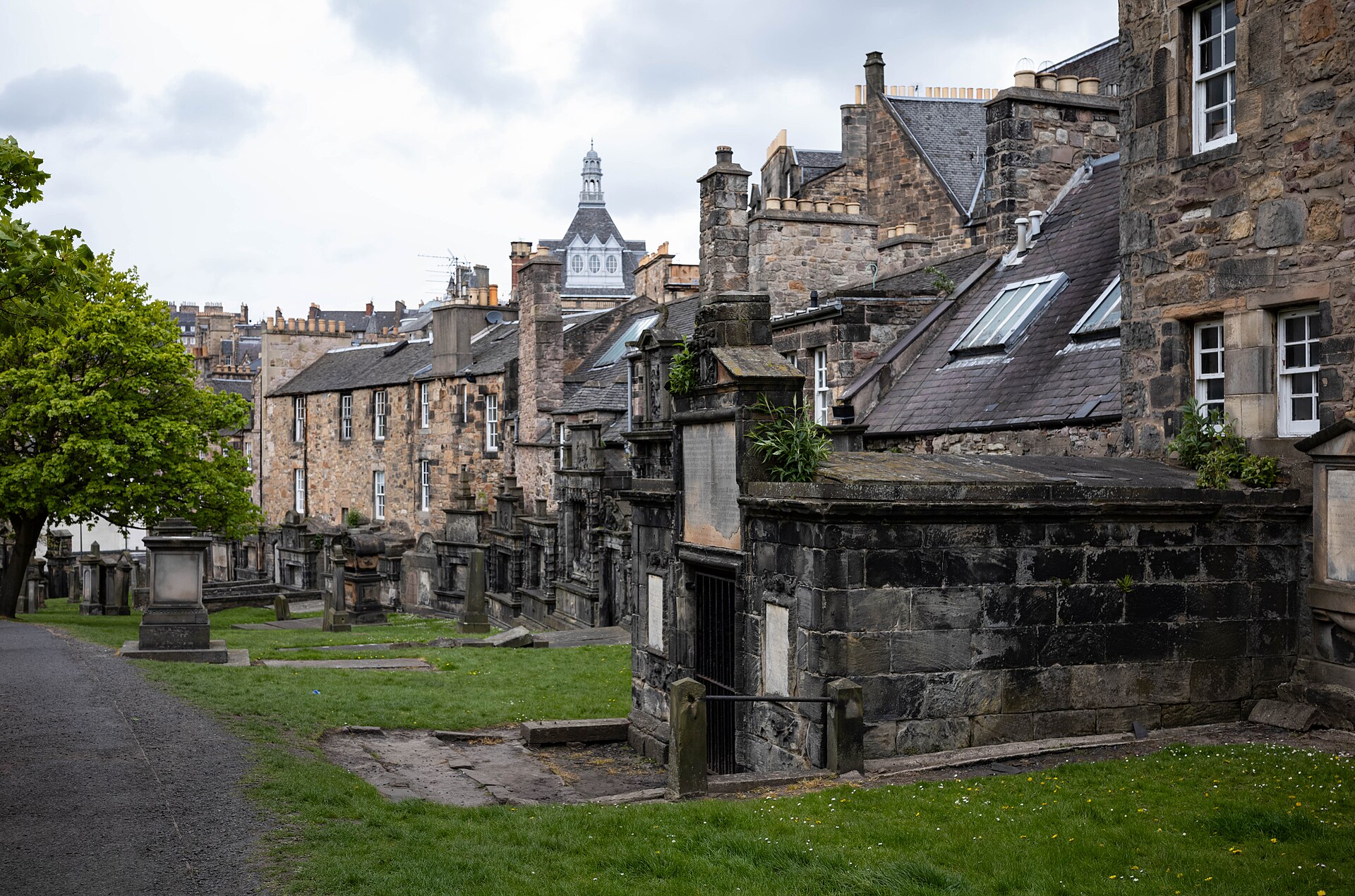
Greyfriars Kirkyard is one of Edinburgh’s most atmospheric burial grounds, with memorials and stones recording centuries of the city’s history. It is particularly associated with stories about the Mackenzie Poltergeist and the area known as the Covenanters’ Prison. Tour accounts describe unusual sensations, scratches and other incidents attributed to the alleged entity. Those are stories and claims, not independently verified hauntings.
The cemetery is also connected with the beloved tale of Greyfriars Bobby, a dog remembered for loyalty to his owner. This contrast between touching local history and modern horror storytelling is one reason the kirkyard deserves more than a quick frightening anecdote. Our ghost dogs folklore guide explains why Bobby was a real dog remembered for loyalty, not a proven spectral hound.
Some organised tours access areas that are not generally open to independent visitors. Respect gates, signs, graves and active religious use. See Forever Edinburgh’s overview of ghost and underground tours for current operator context.
4. South Bridge Vaults: Edinburgh below street level
The spaces below Edinburgh’s South Bridge are among the city’s most talked-about haunted attractions. Built in association with the bridge’s late-eighteenth-century development, vaults and arches were put to various practical uses over time. Modern guided tours mix the story of the underground city with tales of uneasy sensations, mysterious sounds and supposed residents who never left.
Part of their effect comes from their environment: enclosed rooms, shifting echoes, dim light and the awareness of layers of street life overhead. A good guide will explain the documented uses and changes to the vaults instead of pretending every dark corner has a verified ghost.
Access is generally through organised operators rather than by wandering into hidden entrances. Choose a tour that matches your interests: some are historical, others performance-oriented and some combine both. The city’s official tourism guide profiles companies including Auld Reekie Tours and City of the Dead Tours.
5. Niddry Street and the underground ghost-tour tradition
The Niddry Street area is associated with organised tours of Edinburgh’s underground spaces. This is closely related to the South Bridge history but worth considering separately as a tour experience, not as evidence of a second, unrelated underground city. Companies differ in which vaults they access and what historic material they cover.
If you’re choosing between tours, compare whether the product includes a vault visit, an outdoor ghost walk, a graveyard stop or several of these. Check the age limit, stairs, low ceilings and whether it operates in wet weather. Marketing language like “the most haunted” is not a measure of the historical quality of a guide.
For example, a bookable underground ghost-tour option is listed through our affiliate partner, but verify the exact route and operator before purchase.
6. Palace of Holyroodhouse: royal murder and haunting tales

At the far end of the Royal Mile stands the Palace of Holyroodhouse, the King’s official Scottish residence. The palace’s long royal history is inseparable from Mary, Queen of Scots, and the murder of her private secretary David Rizzio in March 1566. This is documented political violence, unlike the unverified stories that later imagine restless royal spirits within the rooms.
The Royal Collection Trust explains the events surrounding Rizzio’s killing in Mary’s private apartments. His death became a grim part of the palace’s visitor interpretation, with older tour traditions pointing to alleged bloodstains on the floor. The fact that visitors have long been shown such marks is a historical detail; it does not confirm supernatural activity.
The official palace visitor page gives ticket arrangements and accessibility information. Mary, Queen of Scots’ rooms have particular access restrictions because of the historic architecture. Plan a daytime heritage visit rather than expecting an open-ended paranormal investigation.
7. Grassmarket: Edinburgh’s execution ground
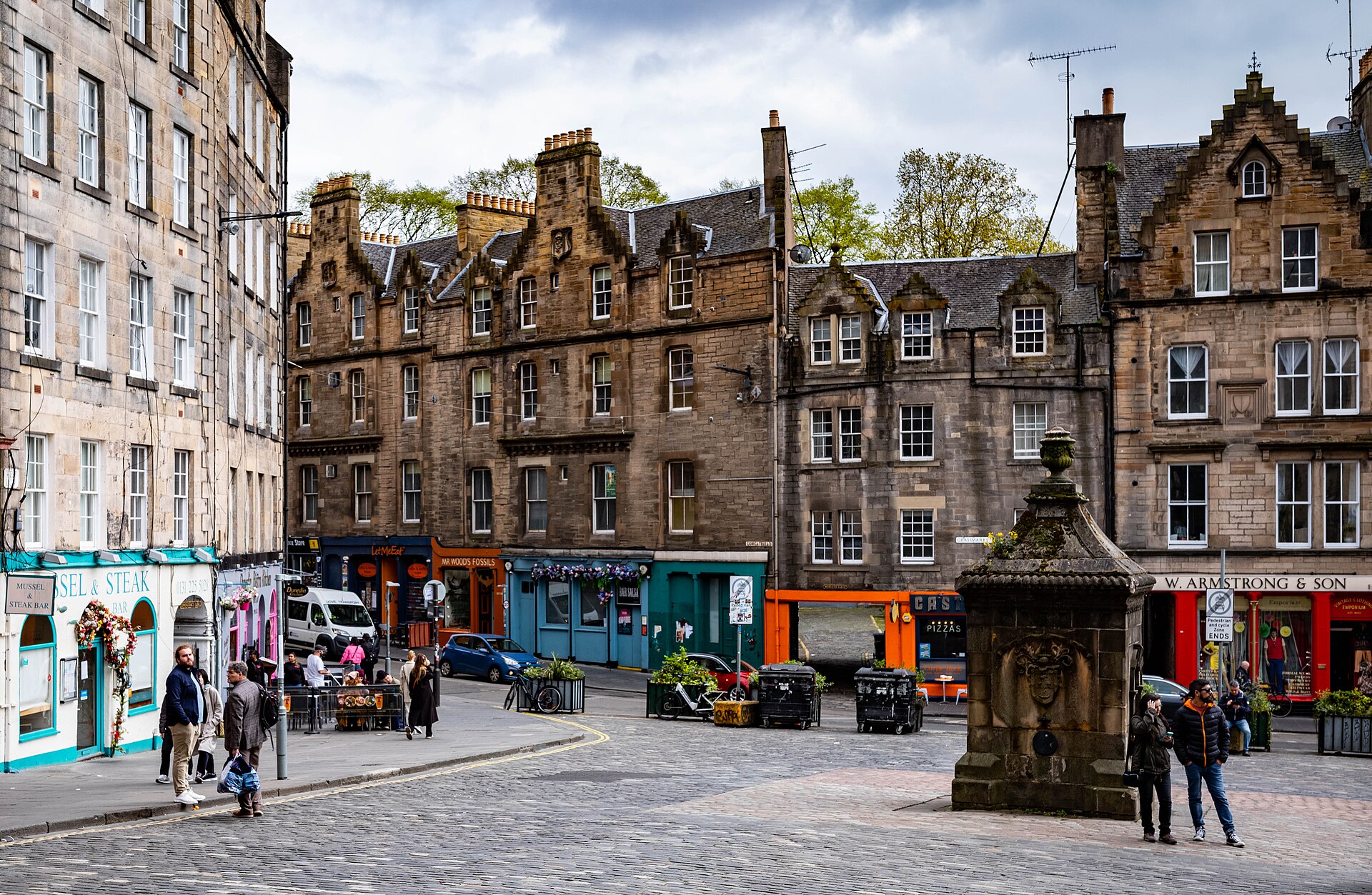
The Grassmarket is now known for shops, pubs and restaurants, but it was also a place of public executions. That history gives the area a darker resonance beneath its lively contemporary atmosphere. Stories of condemned people and ghostly figures may be told on walking tours, but the executions themselves are the documented part of its past.
This is a useful stop because the history is visible within a busy urban landscape rather than isolated ruins. Standing beneath the Castle’s looming position, visitors can consider the contrast between punishment, spectacle and modern tourism. The Forever Edinburgh heritage guide confirms the Grassmarket’s historic role.
8. The Banshee Labyrinth: a reputedly haunted pub
The Banshee Labyrinth is widely promoted in ghostly discussions as an atmospheric Old Town venue. Its name and reputation invite the supernatural, and visitors may encounter stories of strange noises or apparitions. These should be presented as pub folklore and entertainment rather than an authenticated paranormal case.
Unlike the castle or palace, this is a working hospitality venue. Check its current opening arrangements, age restrictions and any event programme directly before making a special journey. Be respectful of staff and patrons; a ghost-themed night out is not permission to record strangers or investigate private rooms.
9. Royal Mile closes and the Old Town
Edinburgh’s closes and wynds are part of what makes its ghost-walk tradition so effective. Narrow routes, steep stairways and unexpected courtyards reveal how densely the city grew and how neighbourhoods changed over time. Different tours weave stories about crime, outbreaks of disease, witchcraft accusations and elusive figures into this historic street plan.
The strongest experience is often simply looking closely at the architecture while a knowledgeable guide explains what is documented and what belongs to tradition. If exploring independently, choose public routes, watch for slippery cobbles and remember that many closes contain homes or businesses.
For another city with a powerful combination of medieval streets and supernatural legend, see our guide to haunted York and the Shadows of York ghost-walk interview.
10. Old Calton Burial Ground and Calton Hill
Calton Hill is famous for its skyline and monuments, while nearby Old Calton Burial Ground offers a quieter encounter with Edinburgh’s memorial landscape. This is not necessarily a place with a single famous, verified ghost story. It belongs on a haunted-history itinerary because burial grounds and memorials can give a more reflective perspective on mortality than a theatrical scare attraction.
Visit during appropriate public access hours and respect the site. Not all graveyards permit organised tours or photography activity, and an old burial ground should never be treated as a prop for staging an investigation.
Which Edinburgh ghost tour should you choose?
- For a history-led indoor attraction: book the Real Mary King’s Close directly, especially if you want a structured, timed guided experience.
- For an underground ghost story: choose a reputable South Bridge or Niddry Street vault operator after reading the exact itinerary.
- For a walking introduction: choose a Royal Mile and Old Town ghost walk, ideally one that distinguishes historical fact from theatrical storytelling.
- For a graveyard-focused tour: look for a properly authorised Greyfriars visit; do not assume a general ticket includes restricted areas.
- For traditional sightseeing: book Edinburgh Castle and the Palace of Holyroodhouse separately from ghost tours.
One-day haunted Edinburgh itinerary
Begin with Edinburgh Castle in the morning, when its interiors and displays are available. Walk down the Royal Mile through the Old Town, allowing time for a scheduled Real Mary King’s Close tour. Later, explore the Grassmarket and Greyfriars Kirkyard respectfully during permitted access. In the evening, choose one organised vault or ghost walk rather than trying to do several overlapping tours.
For a second day, add Holyroodhouse and Calton Hill. This approach gives space for both historical interpretation and ghost stories, instead of turning the city into a rushed checklist. Edinburgh is hilly, and cobbles, steps and underground attractions can present accessibility challenges; plan routes with the people in your group in mind.
How to enjoy Edinburgh’s ghost stories responsibly
The atmosphere of an underground room or historic burial ground can be powerful. Visitors sometimes report chills, unease and strange sounds, but those sensations are affected by temperature, acoustics, lighting and expectations. None by itself identifies a supernatural cause.
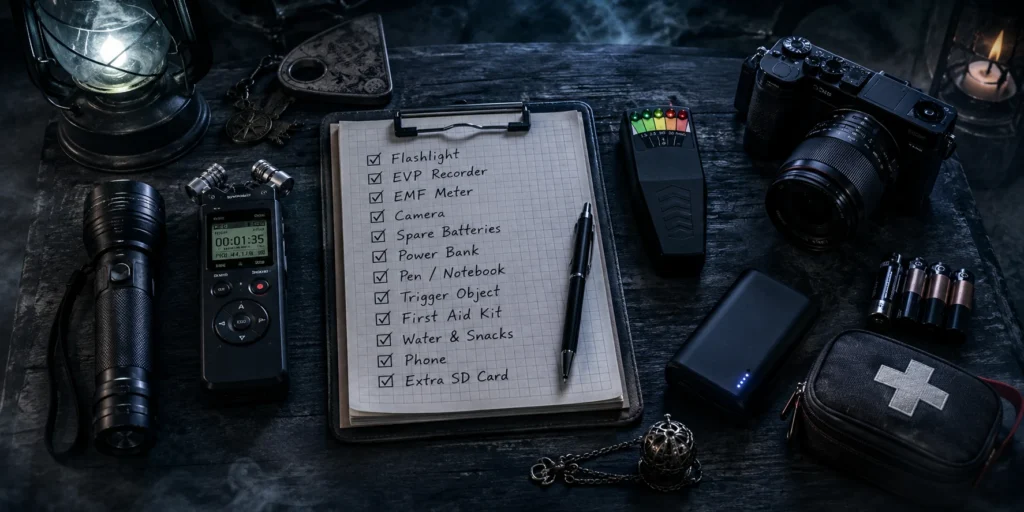
If you’re interested in evaluating claims rather than simply listening to stories, our ghost hunting equipment checklist and EVP recording guide discuss practical methods and common sources of error. Most Edinburgh heritage sites are unsuitable for unapproved equipment-based investigations.
Frequently asked questions
What is Edinburgh’s most famous haunted location?
Greyfriars Kirkyard is widely associated with the Mackenzie Poltergeist legend, while the Real Mary King’s Close and underground vaults are among the most recognisable ghost-tour destinations. There is no objective ranking of hauntings.
Can you visit the Edinburgh vaults without a tour?
Most experiences of the underground vaults are organised by operators who manage access to particular spaces. Check the attraction or tour provider rather than assuming any underground entrance is public.
Is Mary King’s Close the same as a generic Edinburgh ghost tour?
No. The Real Mary King’s Close is a particular ticketed historic attraction. Many city ghost walks cover other closes or vaults and do not include admission. Read the exact itinerary before booking.
Are Edinburgh ghost tours suitable for children?
Restrictions vary by operator and product. Some underground attractions have minimum ages, steps or confined spaces. Check the current family and accessibility advice from the provider.
Is Edinburgh worth visiting outside Halloween?
Yes. The castle, palace, museums, Old Town streets and scheduled ghost experiences can be enjoyed through much of the year. Tour schedules and attraction opening hours differ seasonally.
Final verdict: Edinburgh’s darker history is its greatest strength
Edinburgh is one of Britain’s richest destinations for ghost-tour enthusiasts because its locations are rooted in genuine urban history. Our top recommendation is to pair a history-led experience at the Real Mary King’s Close or Edinburgh Castle with an evening vault walk. Enjoy the legends, but let the real architecture and the lives of past residents provide the deeper story.
Interested in how Edinburgh Castle compares with other famous fortresses? Our haunted castles around the world guide explores its phantom-piper legend alongside other castle traditions. For another major British city, see our Haunted London locations guide.
Sources and visitor information
- Forever Edinburgh — ghost and underground tour operators
- The Real Mary King’s Close — official tours
- Historic Environment Scotland — Edinburgh Castle history
- Historic Environment Scotland — Castle opening times
- Royal Collection Trust — Palace of Holyroodhouse
- Royal Collection Trust — David Rizzio and Mary, Queen of Scots
- Forever Edinburgh — city heritage guide