

Where are the best haunted houses in Liverpool? For a genuinely historic, atmospheric visit, start with the Tudor halls of Speke Hall, the former Newsham Park Hospital, St James’ Cemetery beneath Liverpool Cathedral and the city’s Georgian Quarter. If you want to hear the stories with a guide, Shiverpool runs bookable ghost walks through the historic streets and cemetery. If you prefer actors and jump scares, look instead for seasonal Halloween scare attractions—these are entertainment rather than evidence of ghosts.
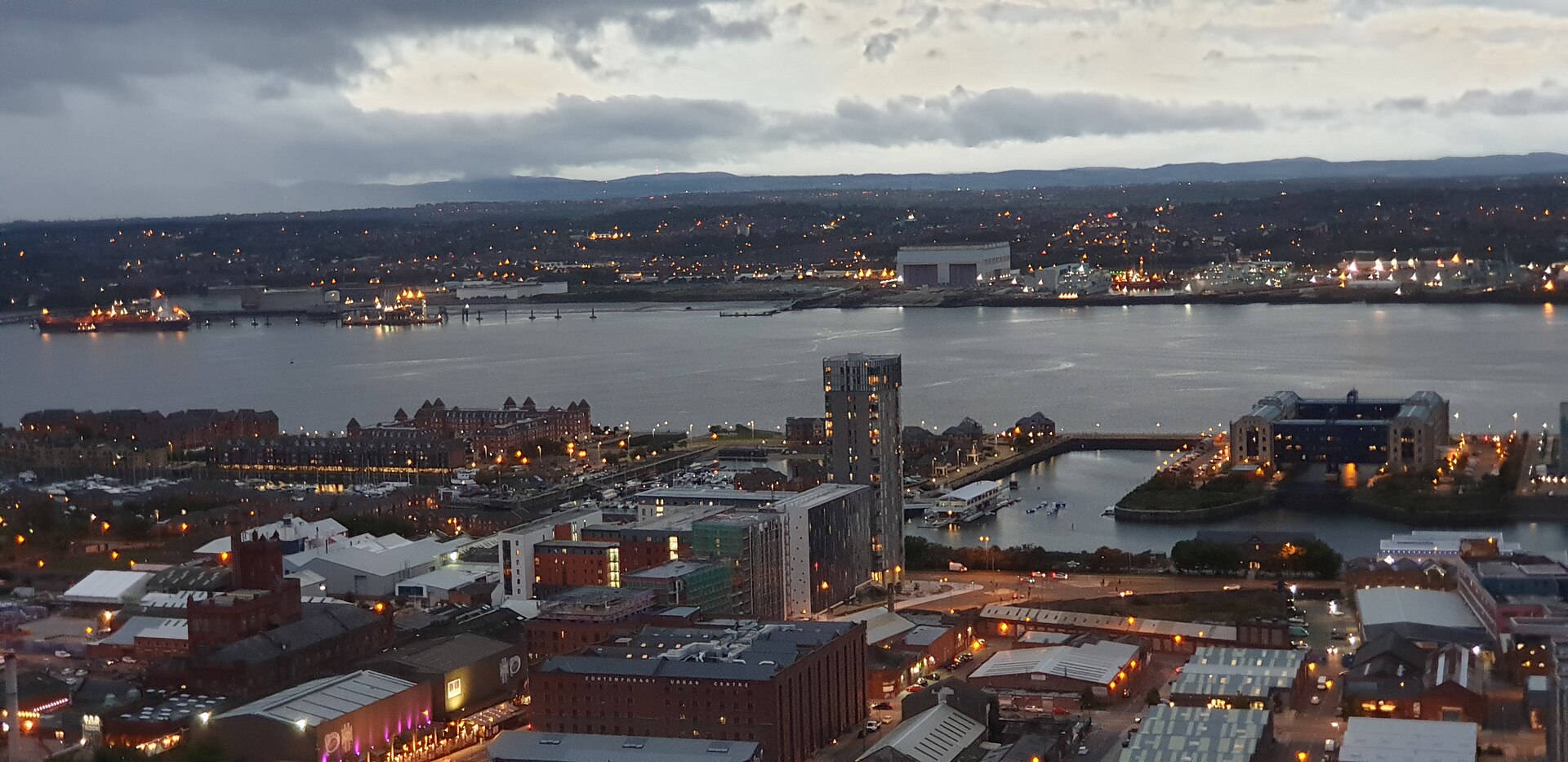
Liverpool’s supernatural reputation grows from a city shaped by centuries of maritime trade, migration, illness, religious life and extraordinary architecture. The truth is often more interesting than simply calling every old building “England’s most haunted”. This updated guide separates documented history from ghost lore, explains which places are genuinely accessible and points towards relevant tours. It replaces our older 2025-only list with an evergreen resource.
Planning more haunted-history stops? Our Haunted Places Explorer maps other sites with ghost stories and links to related visitor guides.
Affiliate disclosure: Mystic Realm Blog may earn a commission if you book through selected marked links, at no additional cost to you. Availability, prices and inclusions should always be confirmed with the operator before payment.
Quick picks: Liverpool’s haunted places and experiences
- Best Tudor atmosphere: Speke Hall, a timber-framed historic house where the National Trust occasionally stages storytelling evenings.
- Best organised paranormal investigation: Newsham Park Hospital, with specialist overnight events on selected dates.
- Best cemetery and local history: St James’ Gardens, formerly St James’ Cemetery, beneath Liverpool Anglican Cathedral.
- Best guided walking experience: Shiverpool’s Hope Street Shivers, mixing Georgian Quarter history and theatrical ghost stories.
- Best underground-style dark history: Shiverpool’s Auld City & the Dead House experience, subject to the booked tour’s details.
- Best deliberate Halloween scares: seasonal scare parks and actor-led mazes—check the specific year’s programme.
You can visit some of these places during normal daytime opening hours, but others require a ticket or organised event. No amount of online enthusiasm makes a closed or privately managed building safe for uninvited exploration. Check the official links below, particularly for late-night sessions.
1. Speke Hall: Tudor architecture and stories after dark
Speke Hall is one of Liverpool’s strongest historical attractions in its own right. The timber-framed house was developed by the Norris family across the Tudor period and is surrounded by grounds that offer a striking contrast to the nearby airport and modern city. A walk around the house reveals how much atmosphere can emerge from low ceilings, old passageways, dark timber and centuries of domestic history.
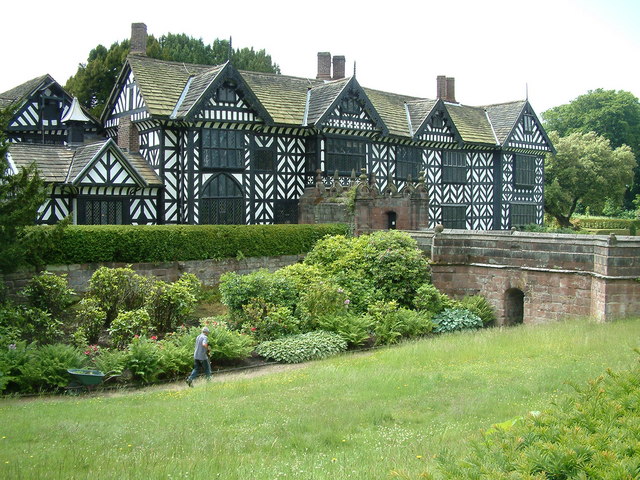
Local ghost stories occasionally attach themselves to the house, but they should be treated as traditions rather than verified sightings. The National Trust has also deliberately developed storytelling events that use the dramatic setting to bring ghostly tales to life. That’s an important distinction: a professional performer telling a frightening story is an enjoyable heritage experience, not a scientific paranormal investigation.
As checked in November 2026, the National Trust advertised a Ghost Stories evening on 13 November, with a performer known as the Lady in Black. It also staged a more intense Spooky Speke event in October. These events are date-specific; they should not be described as permanent daily attractions.
For regular visits, use the official Speke Hall page for house opening dates, garden access, ticket prices and mobility information. The house is not necessarily open whenever the wider estate and restaurant are open, especially in winter. If you have limited time, choose the actual house opening rather than assuming the interior is accessible all day.
2. Newsham Park Hospital: Liverpool’s former orphanage
For paranormal investigators, Newsham Park Hospital has a more direct connection to the organised ghost-hunting scene. The substantial building on Orphan Drive was originally constructed for the Seamen’s Orphanage during 1871–74 and designed by Alfred Waterhouse. Later uses as a hospital and the emotional weight of institutional history have shaped its modern reputation. Historic England lists it as a Grade II building under the name Park Hospital.
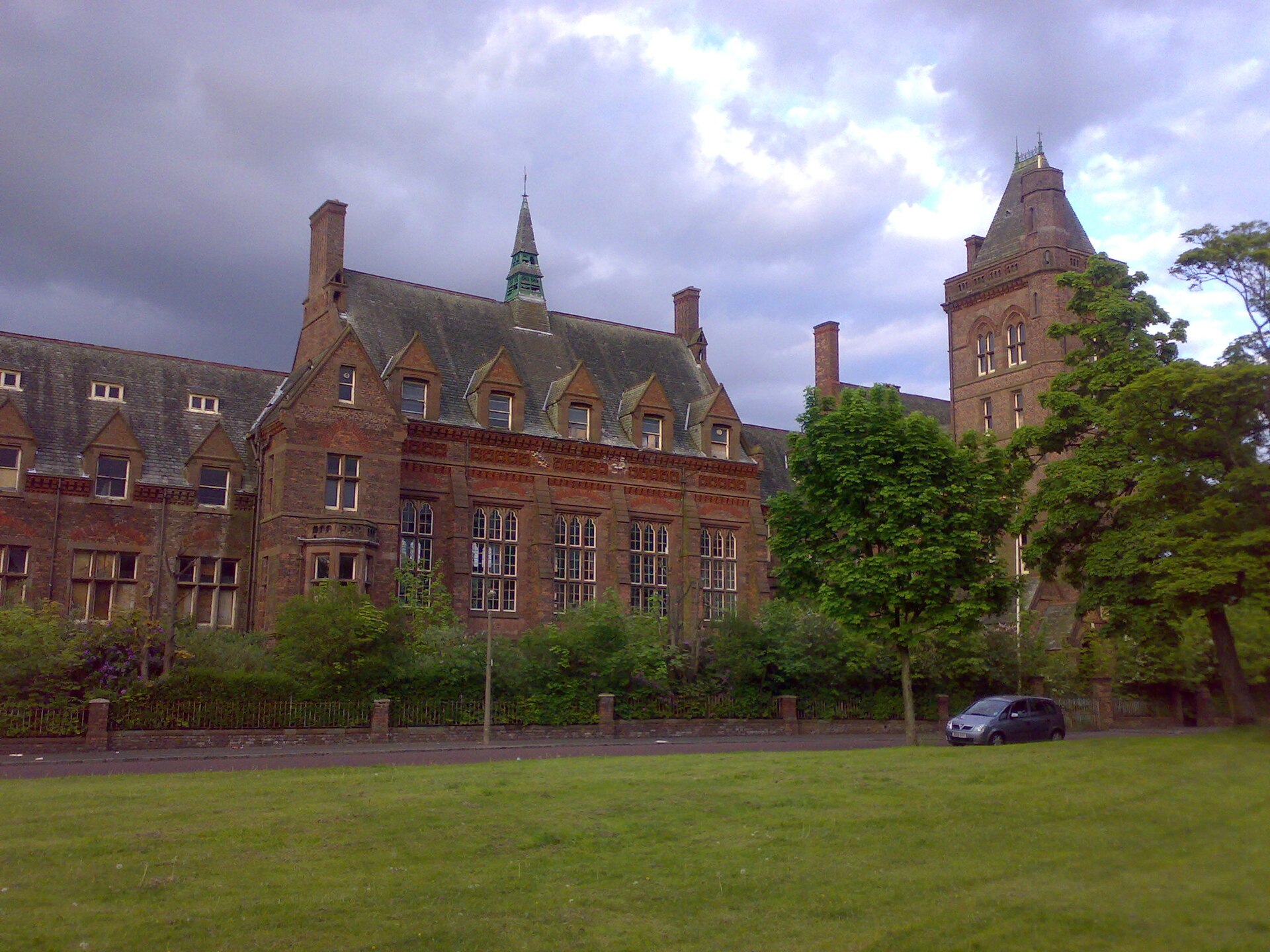
Popular investigation accounts refer to deserted corridors, shadows and sounds in former wards. The building’s industrial-scale architecture and complicated history naturally make it attractive to television productions and paranormal event organisers. That does not mean every story has a documented origin, or that sensations experienced in low light can be attributed to a ghost.
There is a practical way to visit: the specialist operator Haunted Happenings lists Newsham Park ghost hunts on selected nights. Its late-2026 calendar includes weekend investigations; individual dates can sell out. Check exactly which areas, staff support, age requirements and equipment are included. Do not enter a derelict or secured building without a confirmed organised booking.
If you are interested in how investigations work rather than simply collecting dramatic stories, our ghost hunting equipment checklist covers sensible basics, environmental notes and avoiding common sources of false positives.
3. St James’ Cemetery: Liverpool’s necropolis beneath the cathedral
St James’ Cemetery is one of Liverpool’s most affecting settings, and its documented history deserves more than a ghost-story sentence. The site began as a sandstone quarry; after quarrying ended, it was transformed into a designed cemetery and consecrated in January 1829. Its high quarry walls, winding paths and monuments made unusually effective use of the existing landscape.
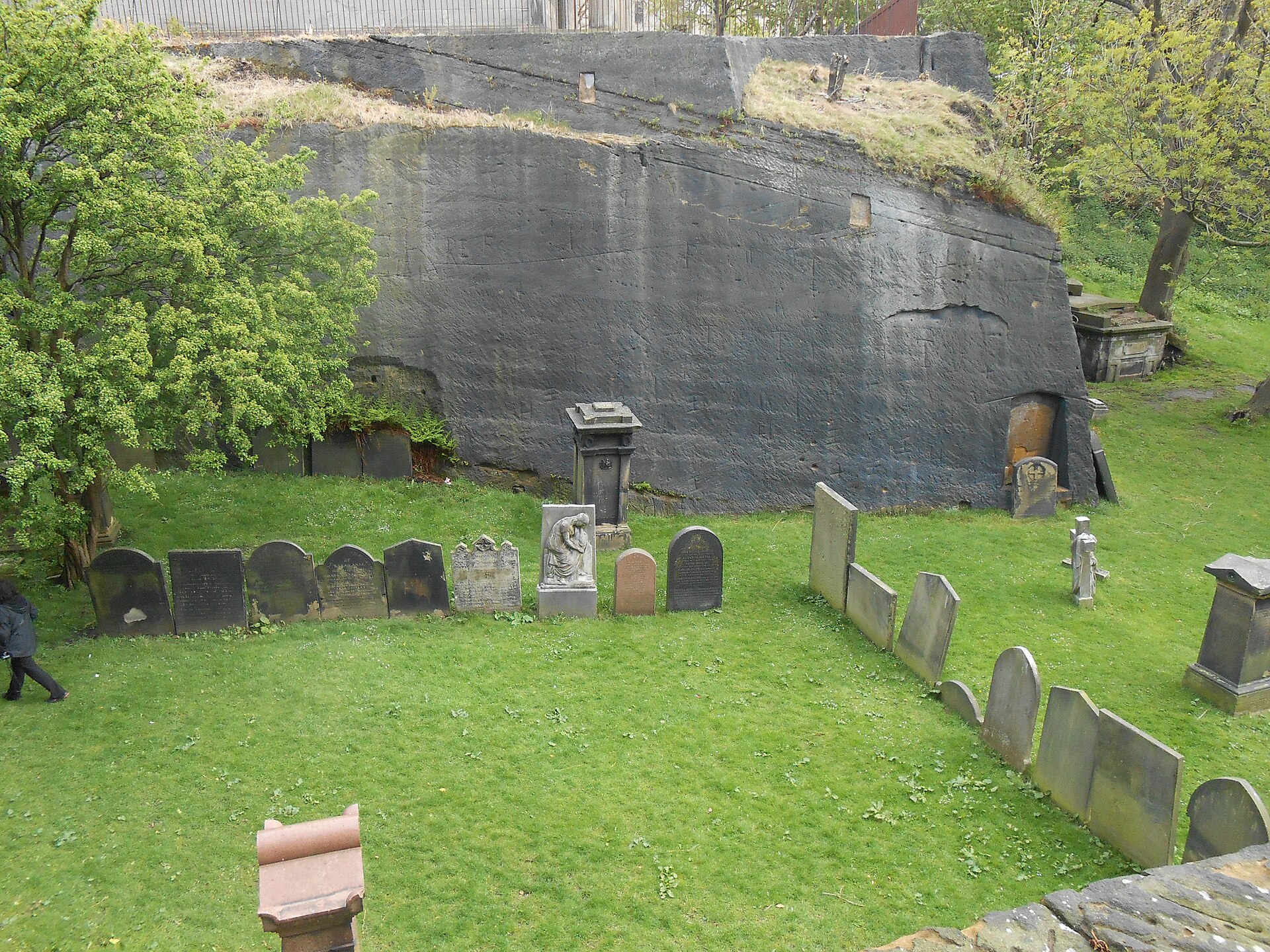
Historic England’s registered garden description documents the transformation from quarry to cemetery, naming architect John Foster and landscaper John Shepherd. It records the cemetery’s consecration on 13 January 1829 and describes features such as stone ramps, cliffside vaults and the Oratory chapel.
Today it is a publicly accessible garden, with thousands of people commemorated within its grounds. Different sources give slightly different totals for recorded burials; the Friends of St James’ Cemetery website lists 57,839, while other summaries use a rounded figure. The most respectful approach is to avoid treating the people buried here as anonymous characters in a horror show.
A specialised way to hear the stories is Shiverpool’s Secret Garden Cemetery Shivers. Its own tour page describes a route beginning outside the Philharmonic Pub on Hope Street and ending at the Anglican Cathedral, around 90 minutes and approximately 1.5 miles. However, the operator currently asks customers to check its newsletter and social channels for the next cemetery-tour dates, so do not assume this particular route runs every evening.
For our deeper guide—with the background, practical advice and differences between the tour and the gardens—read St James’ Cemetery Liverpool Ghost Tour. This page is also one of the strongest opportunities to link a broad haunted-city article to a specialist booking-intent post.
4. Liverpool Cathedral, Hope Street and the Georgian Quarter
Liverpool Anglican Cathedral dominates the southern end of Hope Street, while the Roman Catholic Metropolitan Cathedral stands at the other end. The intervening Georgian Quarter offers streets, former institutions, hotels and pubs with a long history of everyday urban life. This is the city’s best introduction if you enjoy connecting the architecture to a guided historical narrative.
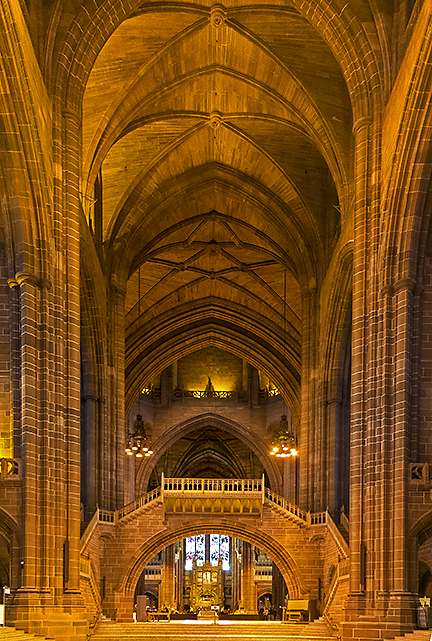
It would be misleading to imply that Liverpool Cathedral is an unrestricted ghost-hunting venue or that a cathedral tour guarantees access to its crypts and closed rooms. The building is an active place of worship, where ordinary visiting arrangements and special events apply. Respect services and photography restrictions.
Shiverpool’s Hope Street Shivers tour begins outside the Philharmonic Pub and finishes near the Anglican Cathedral, offering stories about the Georgian Quarter and the cemetery below. Its published duration is around 90 minutes, and the route is roughly 1.5 miles; accessibility can be affected by steep gradients, cobbles and the pace of the walk.
You can also compare the Hope Street Shivers booking listing (affiliate link) with the official operator’s details, checking the meeting point, date and cancellation terms before booking.
5. Auld City and the Dead House: a different kind of Liverpool ghost walk
Not every ghost walk explores the same part of the city. The Auld City & the Dead House experience concentrates on older streets and Liverpool’s early urban development, with an operator-advertised visit to a former morgue. The historical setting can be a stronger reason to choose it than a generic promise of “more ghosts”.
For travellers comparing the different Shiverpool routes, ask whether you prefer Georgian Liverpool and St James’ Gardens, or the city’s older core and hidden spaces. The latter can involve restricted access and more enclosed settings. As with any tour, the precise itinerary, inclusions and route can change, so review the current official tour list before making plans.
6. Seasonal haunted houses and Halloween scare attractions
Searches for “haunted houses in Liverpool” may mean historic buildings with reputed ghosts—or intentionally frightening mazes filled with actors. The original version of this article mixed the two without enough explanation. They are different visitor experiences, and the distinction helps readers avoid booking the wrong event.
Liverpool has hosted seasonal scare attractions associated with sites such as Newsham Park, but operators, venues, safety requirements and annual dates change. A previous year’s ticket page is not reliable evidence that a scare maze will be operating next Halloween. When autumn schedules are published, prioritise the event’s current official booking page rather than a cached event listing.
A scare attraction can offer immersive lighting, sound effects, costumed actors and a series of controlled walkthroughs. A historical ghost walk is usually slower, more interpretive and often suitable for a broader age range. Paranormal investigations are different again, requiring permission, patience and an interest in recording observations. There is room for all three experiences within the site’s Ghost Travel coverage, but each deserves an honest label.
Which Liverpool ghost experience is right for you?
- First visit, history and atmosphere: choose a Shiverpool Hope Street walking tour.
- Interested in the cemetery: check the Secret Garden Cemetery Shivers schedule or walk the public gardens respectfully in daylight.
- Want hands-on paranormal investigation: review organised Newsham Park Hospital dates and any equipment or age requirements.
- Love Tudor history: arrange a daytime visit to Speke Hall, then consider a separate story-led evening if a suitable event is scheduled.
- Want theatrical Halloween scares: compare the current year’s scare-park descriptions, rather than assuming that an archived event runs permanently.
Planning a haunted Liverpool day or weekend
One day: Hope Street and St James’ Gardens
Start with Liverpool Cathedral during visiting hours, then explore Hope Street and the Georgian Quarter. Leave enough time for a peaceful walk through St James’ Gardens and a look at the quarry walls and memorials. If a Shiverpool tour operates that evening, book it in advance and arrive at the specified meeting point at least ten minutes early. The tour should enrich, rather than replace, what you have already learned about the area.
Two days: add Speke Hall or a booked investigation
On your second day, travel to Speke Hall when the mansion itself is open. Alternatively, an organised Newsham Park investigation can form the centrepiece of an overnight visit, but remember that after-dark sessions may finish well into the early morning. Avoid planning a long drive immediately afterwards if tired.
Visitor safety and responsible paranormal tourism
Public cemeteries remain places of remembrance; working churches remain active community spaces; and disused institutional buildings may be structurally hazardous. Follow local regulations, respect staff and residents, and never climb fences or enter closed premises for content. A good ghost-tour experience does not require trespass.
Frequently asked questions
What is Liverpool’s most famous haunted building?
There is no objective ranking. Newsham Park Hospital is especially well known among organised paranormal investigators, while Speke Hall attracts visitors for its historic building and seasonal tales. St James’ Cemetery is one of the city’s most atmospheric public heritage sites.
Can you visit St James’ Cemetery for free?
The historic cemetery is now St James’ Gardens, a public space. A guided ghost tour is a separate ticketed experience. Check access and any temporary restrictions before visiting.
Are Liverpool ghost tours available outside Halloween?
Yes, operators such as Shiverpool advertise scheduled tours through the year. Individual routes, particularly specialist cemetery walks, may run only on selected dates.
Can you investigate Newsham Park Hospital yourself?
Only under the conditions of an authorised visit. The building is not an open-access paranormal playground, and an organiser’s ticket does not automatically permit unlimited access to every room.
Which is better: a haunted house or a scare maze?
Choose a historic haunting guide for folklore and place-based stories; choose a scare maze for theatrical fright. Neither guarantees a supernatural encounter.
Final verdict: visit for the history, enjoy the haunting stories
Liverpool’s appeal is the variety: a Tudor manor, a former institutional building, a quarry cemetery, working cathedrals and theatrical guided walks all tell different stories about the city. For a first visit, we recommend the Georgian Quarter and St James’ Gardens, then a Shiverpool ghost walk. For a dedicated investigation, Newsham Park is a more appropriate specialist option. You can explore another UK city with memorable ghost-tour traditions in our Haunted York guide.
If you are planning a wider Lancashire ghost-travel trip, our Haunted Blackpool guide explores the Grand Theatre, Pleasure Beach Ghost Train and the town’s distinctive seaside folklore.