


Quick answer: Magic herbs are plants associated with particular intentions, customs or symbolic meanings in folk traditions and modern witchcraft. Rosemary is commonly linked with remembrance and protection, lavender with peace, sage with cleansing, mugwort with dreams and basil with prosperity. These are traditional or contemporary associations, not scientifically verified supernatural properties. Beginners can explore their history and symbolism safely through gardening, labelled dried-herb sachets or journaling—no smoke, ingestion or expensive ingredients required.
Affiliate disclosure: This article contains affiliate links. Mystic Realm Blog may earn a commission from purchases through them, at no extra cost to you.
Plant traditions also feature in African American rootwork, although they should not be treated as interchangeable with modern witchcraft. Our researched Voodoo vs Hoodoo guide explains the cultural and religious distinctions.
Herbs appear in cookery, medicine, religion, folklore and witchcraft, but those are not all the same activity. A plant that is safe as a culinary seasoning may still cause allergies or problems when concentrated into an essential oil. An old story about protection does not mean a herb can prevent illness or bad luck. This guide covers commonly mentioned magical herbs, where their symbolic uses come from, safe beginner ideas and what to check before growing, buying or handling them.
What are magical herbs in witchcraft?
In modern magical writing, people use correspondences to connect a plant with an idea such as love, cleansing, courage or remembrance. Those lists come from a mixture of historical folk customs, modern Pagan literature and personal practice. A correspondence is not a universal fact about the plant. It is more useful to ask which community or author makes the association and what it means to them.
Some plants are used in homes simply because they smell pleasant, grow well in a garden or have culinary value. Others have symbolic roles in religious observances or particular cultural traditions. Respecting those differences helps avoid treating every herb as interchangeable spiritual merchandise. Our Witchcraft for Beginners guide explains how modern traditions use objects and rituals without demanding an expensive kit.
Magic herbs and their common associations
| Herb | Common symbolic association | Low-risk way to explore |
|---|---|---|
| Garden sage | Cleansing, clarity, wisdom | Grow the plant or record its folklore |
| Lavender | Calm, peace, remembrance | Use a labelled dry sachet if tolerated |
| Rosemary | Memory, remembrance, protection | Grow or sketch the plant; use in cooking if suitable |
| Mugwort | Dreaming, divination, protection | Study folklore; avoid ingestion and self-treatment |
| Basil | Prosperity, harmony | Grow a kitchen herb as a symbol of care |
| Chamomile | Rest, comfort | Draw or journal about the flower |
| Thyme | Courage and household protection | Grow in a pot or use as normal culinary herb |
| Mint | Freshness, hospitality, abundance | Enjoy its scent from a growing plant |
The table reflects associations commonly found in modern folk-magical writing. Actual traditions vary, and not every community uses each plant this way. The safest beginner approach is to enjoy a herb as a plant first, understand its identification and ordinary properties, and treat any magical meaning as symbolic rather than an externally proven effect.
1. Sage: cleansing and the importance of context
Sage is a broad name applied to several plants, including common garden sage (Salvia officinalis) and white sage (Salvia apiana). Those are different species, with different habitats and cultural associations. In modern European-inspired witchcraft, common garden sage is often linked with cleansing, wisdom and boundaries. You may also see it used symbolically as the start of a new chapter.
A modern guide should not imply that every cleansing practice comes from one universal “ancient tradition”. Particular Indigenous North American uses of white sage are culturally specific, and commercial bundles can raise sourcing and cultural-respect concerns. Our guide to smudging and smoke-free home cleansing discusses the terminology and alternatives. You can tidy a room, open a window safely or set a written intention without burning any plant.
If you want to grow culinary sage, buy a clearly labelled plant and follow ordinary gardening guidance rather than collecting an unfamiliar wild plant. The Royal Horticultural Society’s Salvia growing guide is a practical starting point for understanding the plants themselves.
2. Lavender: peace and seasonal symbolism
Lavender has a long history as a fragrant plant used in homes and gardens. Modern magical writing commonly associates it with calm, affection, sleep and peaceful spaces. Those associations can make it a meaningful symbol for an evening journaling routine, but lavender is not a cure for insomnia, depression or anxiety. A spiritually comforting ritual and a medical treatment are not interchangeable.
For a simple, non-burning practice, put a small quantity of properly identified dried lavender in a clearly labelled cloth sachet and keep it somewhere safe if nobody in your household is sensitive to it. Alternatively, grow a plant outdoors and observe its flowers and scent. Do not put loose herbs or scented oils into a child’s sleeping area or assume every fragranced product is harmless to pets.
The colours and timing of lavender blooms may also appeal to people interested in seasonal celebrations. Our Litha and the Summer Solstice guide explains how modern practitioners interpret the height of summer.
3. Rosemary: memory, remembrance and everyday use
Rosemary (Salvia rosmarinus) is an aromatic culinary herb associated in some European folklore and literary traditions with remembrance and fidelity. You may know the line about rosemary and remembrance from Shakespeare; it has helped carry the association into modern culture. In contemporary witchcraft, rosemary is also listed under protection, clarity and household blessing.
A practical symbolic use might be to place a drawing of rosemary beside a journal entry about someone you want to remember, or to grow the plant in a pot as a reminder of a meaningful commitment. No supernatural effect is required for a memorial custom to carry emotional value. Rosemary can also be used in food where normally appropriate, but never treat culinary use as a medical instruction.
As with many plants, contact reactions are possible; the RHS list of potentially harmful garden plants includes rosemary as a possible skin allergen. Wash hands after handling unfamiliar plant material and avoid concentrated oils on bare skin.
4. Mugwort: dreams, divination and caution
Mugwort, often identified in European contexts as Artemisia vulgaris, is linked in a variety of folk accounts with dreams, travel, protection and divination. It appears frequently in modern “third eye” herb lists. Those accounts are part of cultural history, not proof that the plant opens a literal psychic sense or guarantees lucid dreams.
Mugwort requires extra care. Species names matter, and plants in the Artemisia genus are not interchangeable. Some people experience allergic reactions, and preparations may be inappropriate during pregnancy. Do not ingest mugwort, smoke it or experiment with essential oils as a self-treatment. If you’re interested in its symbolism, read the folklore, sketch the leaves or write about how plants feature in dream traditions instead.
For reflections on alleged psychic perception without using herbs or substances, see our psychic abilities guide. A dream diary and adequate sleep are safer starting points than attempts to induce unusual experiences with unknown plants.
5. Basil: prosperity and caring for what grows
Basil is familiar from the kitchen but also appears in modern magical lists associated with prosperity, harmony, good fortune and household wellbeing. These are symbolic connections; keeping basil on a windowsill cannot reliably alter your finances. The useful everyday action is tending a living plant: checking its light, water and temperature and watching it develop over time.
A beginner might link the plant with a sensible financial habit, such as reviewing a budget or saving a small amount. The basil becomes a reminder of the real-world task, rather than a promised way to make money appear. If you use it in cooking, follow normal food hygiene and identification guidance rather than treating an unlabeled magical herb blend as edible.
6. Chamomile: rest, reflection and gentleness
Chamomile has a long history of herbal and household uses, while contemporary magical guides may associate it with rest, patience, comfort and good luck. The name covers more than one botanical species, so assuming every chamomile product is identical would be unwise. Some people are allergic to plants in the daisy family, and concentrated preparations may have interactions or limitations.
You can explore the plant without ingesting it: draw its flower, read its history or add a photograph to a seasonal journal. There is no need to drink a tea as part of a spell. If you are pregnant, take medication or have relevant allergies, ask an appropriate healthcare professional before using herbal preparations for health purposes.
7. Thyme: courage, boundaries and simple symbolism
Thyme is often connected in later folklore and modern magical correspondence lists with courage, strength and purification. A small pot of thyme offers a straightforward way to explore the plant’s growth and scent. You might associate pruning or watering it with making space for an achievable goal, but the actual effect comes from your decisions and attention.
The herb is not an automatic protection from infection or harm, and burning bundles indoors can create smoke and fire risks. A safe symbolic option is to write the word “courage” in a notebook and list one small action you will take this week. The plant can remain a decorative or culinary part of ordinary life.
8. Mint: hospitality, freshness and new beginnings
Mint is a vigorous and familiar garden plant. Folk and modern magical interpretations may link it with hospitality, fresh starts, luck and abundance. Those themes can be used creatively without claiming that mint changes events through an invisible energy. Growing a plant from a cutting or caring for a container can itself be a satisfying routine.
Mint spreads rapidly in gardens, so a pot is often convenient. Use positive identification before harvesting anything, especially if you are comparing different mint-like species. As with other herbs, do not assume that a concentrated essential oil is as mild as smelling a growing plant.
How to use magical herbs without burning them
Burning is not essential to plant symbolism. Smoke can aggravate breathing difficulties, trigger alarms or create fire hazards, while certain essential oils can cause irritation. A smoke-free approach is easier to control and more considerate of shared indoor spaces. You can still mark a change of season, celebrate a personal milestone or set aside time to think.
- Herb journal: Record a plant’s botanical name, historical associations and what you notice while growing it.
- Dry sachet: Use an identified, clean dried plant in a closed, labelled pouch where children and pets cannot reach it.
- Seasonal display: Place a photograph, drawing or potted herb on a shelf as a reminder of the changing year.
- Garden activity: Sow or tend a plant while identifying one practical goal you can work towards.
- Symbolic reminder: Write down a value such as patience or courage and revisit it after a week.
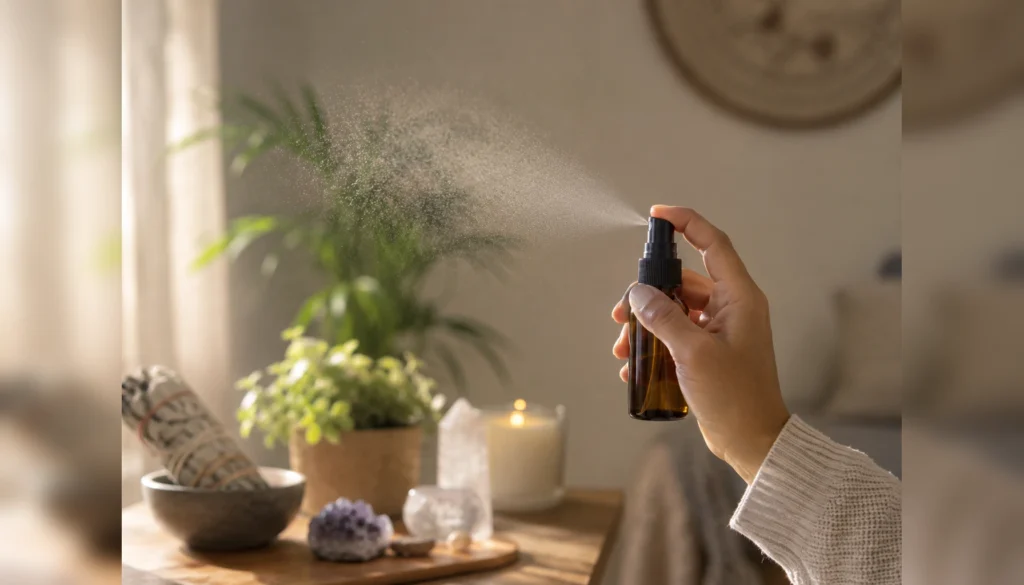
For anyone exploring rituals, our beginner candle-spells guide provides reflective examples and fire-safety advice. If smoke or scented products are unsuitable, an LED candle and notebook work just as well for marking a moment of intention.
A beginner’s herb journal: five-minute exercise
Choose one familiar, correctly identified herb, such as rosemary or basil. Write its ordinary growing requirements, one documented cultural association and one personal meaning it has for you. Then record an achievable intention, such as “I will spend ten minutes outside three times this week.” Keep the symbolism separate from the action so you can review what you actually did.
After a week, write down whether you completed the action and how you felt about the routine. If you didn’t, note the obstacle instead of assuming you need a stronger spell. This is a simple way to approach folk symbolism with curiosity while remaining grounded in what can be observed.
How do you choose and store dried herbs?
Buy from reputable suppliers, check the species name where practical and avoid blends with unexplained ingredients. Store dried material in clearly labelled, closed containers away from moisture, food preparation areas where it could be mistaken for seasoning, and the reach of children or animals. Discard anything mouldy or contaminated. Do not collect plants from roadsides or unknown sites for use on the body.
A decorative herb kit can be appealing but may not be worth the price if you only want to study folklore. The earlier article included a magical herbs kit listing and a reference book listing. These optional links are retained; verify the current items and contents before buying, and never treat a seller’s “healing” claims as medical evidence.
Are magical herbs safe for pregnant people, children and pets?
Safety depends on the species, preparation, dose, circumstances and person or animal involved. Natural does not mean automatically safe. The UK Teratology Information Service notes limitations in evidence on essential-oil safety during pregnancy, especially at higher concentrations. If pregnant or breastfeeding, seek qualified advice before trying an unfamiliar herbal product. Do not offer preparations to children or pets as a magical treatment.
Essential oils are concentrated extracts, not the same as a fresh culinary leaf. Do not ingest essential oils, apply them undiluted or diffuse them around pets without appropriate professional guidance. Allergies and sensitivity to fragrance matter, and smoke is not suitable for everyone. If you suspect a plant has been eaten accidentally or caused a reaction, seek prompt medical or veterinary advice and identify the product involved.
Do magical herbs really have supernatural properties?
No reliable scientific evidence establishes that a herb removes curses, attracts wealth or creates psychic perception through supernatural forces. Plants do have real botanical characteristics, chemical compounds, scents and cultural histories. Studying those different aspects separately avoids turning personal symbolism into unverified health or financial promises.
For a thoughtful approach to protective folklore, our Hexes and Curses guide explains why physical problems and anxiety need practical attention rather than a supernatural diagnosis. The historical significance of herb customs is interesting without asserting they work as spells.
Magic herbs: frequently asked questions
What are the best magic herbs for beginners?
Rosemary, basil, common garden sage and lavender are often discussed and are familiar as cultivated plants. Start with one correctly identified specimen, learn its usual care and explore its symbolic history without ingestion, smoke or expensive products.
Can I make a spell without dried herbs?
Yes. Many modern practitioners use personal reflection, gestures, writing or other symbolic objects. A notebook and a clear intention are enough for a low-risk reflective practice.
Is mugwort good for dreams?
Mugwort is associated with dreaming in folklore, but that does not establish a safe or reliable method for controlling dreams. Avoid ingesting or smoking it, particularly during pregnancy, and choose a simple dream journal instead.
Is white sage the same as garden sage?
No. White sage (Salvia apiana) and common garden sage (Salvia officinalis) are different plants. Their cultural contexts and appropriate sourcing also differ.
Can herbs replace medicine?
No. Treating magical associations as proven medical benefits can be dangerous. Seek appropriate medical advice for symptoms and check with qualified professionals before using herbal supplements or concentrated preparations.
Which herbs are linked with protection?
Modern lists often name rosemary, sage and thyme, but those are symbolic associations that vary by tradition. They do not provide verifiable protection from harm or illness.
Final verdict: learn the plants before relying on their symbolism
Magic herbs are most rewarding when their folklore, ordinary uses and safety are all understood. Start with one familiar plant, keep a journal and approach ritual meanings as cultural or personal associations rather than scientific facts. You don’t need to burn, ingest or purchase anything to begin. Continue with Witchcraft for Beginners, home cleansing customs or the Wheel of the Year for related seasonal traditions.